Physiological Systems in Insects discusses the roles of molecular biology, neuroendocrinology, biochemistry, and genetics in our understanding of insects.
Pyrantel Parasiticide Therapy in Humans and Domestic Animals presents a single source history and reference on the parasiticide activity and pharmacology of the tetrahydropyrimidines and their salts in humans and domestic animals, also collating evidence that resistance to pyrantel has developed in human and domestic animal nematodes.
Genetic Control of Malaria and Dengue focuses on the knowledge, technology, regulation and ethics of using genetically modified mosquitoes to interrupt the transmission of important vector-borne diseases including Malaria.
Innovative Food Analysis presents a modern perspective on the development of robust, effective and sensitive techniques to ensure safety, quality and traceability of foods to meet industry standards.
Present Knowledge in Food Safety: A Risk-Based Approach Through the Food Chain presents approaches for exposure-led risk assessment and the management of changes in the chemical, pathogenic microbiological and physical (radioactivity) contamination of 'food' at all key stages of production, from farm to consumption.
Leishmaniasis is a neglected tropical disease that is known to be transmitted by 90 different species of sandflies which carry 20 Leishmania species that cause human infection particularly in endemic countries.
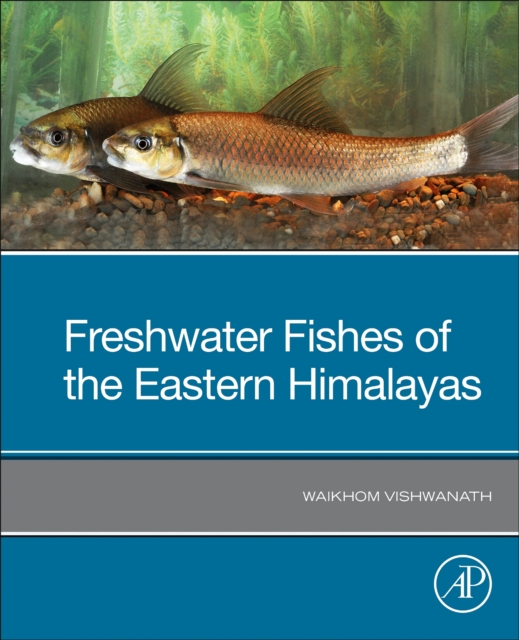
Freshwater Fishes of the Eastern Himalayas provides a guide to describe the internationally accepted methods used in the accurate identification of fishes, morphometry, i.
Advanced Food Analysis Tools: Biosensors and Nanotechnology provides the latest information on innovative biosensors and tools that are used to perform on-site detection tests.
Food Toxicology and Forensics presents an overview on these subjects, along with the analytical tools necessary to handle the complexity of the issues at play between them.
Giardia and Giardiasis Volume 107-Part B, in the Advances in Parasitology series, is dedicated to aspects of cytoskeletal structure of this parasite with an emphasis on insights of new components and their function in trophozoites.
Cyclospora cayetanensis is a microscopic parasite that can be transmitted via food or water sources and causes intestinal disease (Cyclosporiasis) in humans.
Toxocara and Toxocariasis, Volume 109 in the Advances in Parasitology series, includes medical studies of parasites of major influence, along with reviews of more traditional areas, such as zoology, taxonomy and life history, all topics which help to shape current thinking and applications.
Viral, Parasitic, Bacterial, and Fungal Infections: Antimicrobial, Host Defense, and Therapeutic Strategies highlight diverse types of infections, including viral, bacterial, parasitic, fungal, and the therapeutic efficacy of antibiotics, antivirals, antifungals and other medications, nutraceuticals, and phytotherapeutics.
National Institute of Parasitic Diseases, China: 70 Years and Beyond, Volume 110 covers the major achievements gained in the research and control of parasitic diseases in China, e.
The Advances in Parasitology series includes medical studies of parasites of major influence, along with reviews of more traditional areas, such as zoology, taxonomy and life history, all topics which help to shape current thinking and applications.
Neoplastic mimics or "e;pseudotumors"e; can simulate neoplasms on all levels of analysis- clinical, radiologic, and pathologic--and thus represent particular diagnostic pitfalls for the pathologist that can ultimately lead to therapeutic misdirection.
About theDiagnostic Standards of Care Series A key issue for every laboratory and individual laboratory practitioner is the assessment of risk and a current working knowledge of the standards of care established for diagnostic testing via guidelines, major studies and trials.
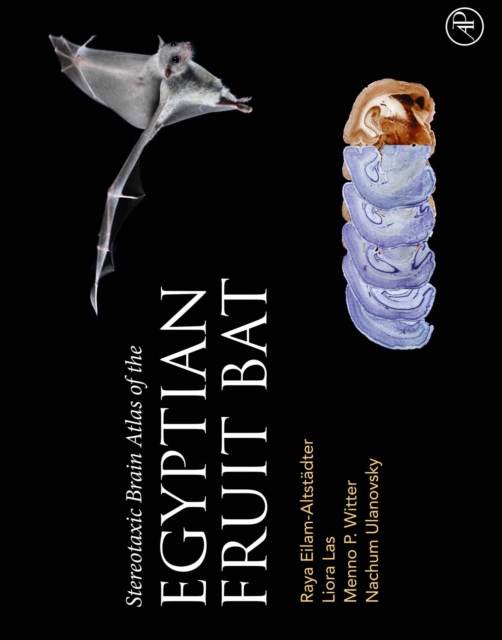
The Stereotaxic Brain Atlas of the Egyptian Fruit Bat provides the first stereotaxic atlas of the brain of the Egyptian fruit bat (Rousettus aegyptiacus), an emerging model in neuroscience.
Building the Future of Food Safety Technology: Blockchain and Beyond focuses on evaluating, developing, testing and predicting Blockchain's impact on the food industry, the types of regulatory compliance needed, and other topics important pertaining to consumers.
Microbial Endophytes: Prospects for Sustainable Agriculture discusses the practical and theoretical aspects regarding the use of endophytic microorganisms in agriculture, providing insights on the biotechnological applications associated with long-term crop production.
Head and Neck Pathology concentrates on the salient H&E histopathology of each entity discussed with brief descriptors of the clinical features, differential diagnosis, and relevant literature references for each entity.
Food Safety: Past, Present, and Predictions offers a multidisciplinary approach on major food industry regulatory compliance changes that have emerged since the landmark 1993 E.
This concisely written, abundantly illustrated guide to a wide range of topics in gastrointestinal neoplasia facilitates the evaluation and accurate diagnosis of gastrointestinal neoplasms, both straightforward and challenging.
Giardia and Giardiasis, Volume 106 in Advances in Parasitology series includes in the first part aspects of molecular and cellular biology of Giardia and the role of particular molecules or molecular groups in essential functions and/or trafficking in the parasite.
Regional Network for Asian Schistosomiasis and Other Helminthic Zoonoses, Volume 105, the latest release in the Advances in Parasitology series, captures the journey of RNAS+ from its early beginnings, to its current state, marking its accomplishments and impacts in research.
Advances in Parasitology, Volume 104, the latest in a series first published in 1963, contains comprehensive reviews on all areas of interest in contemporary parasitology.
Food Fraud: A Global Threat With Public Health and Economic Consequences serves as a practical resource on the topic of food fraud prevention and compliance with regulatory and industry standards.
Genetically Modified and Irradiated Food: Controversial Issues: Facts versus Perceptions explains the technologies used in these processes so they can be understood by those in general public health, scientific organizations, politicians and opinion makers/policymakers.
Autopsy as a field is enjoying an unexpected renaissance as new and improved uses are found for postmortem examination in quality improvement, education, and research.
Fresh-Cut Fruits and Vegetables: Technologies and Mechanisms for Safety Control covers conventional and emerging technologies in one single source to help industry professionals maintain and enhance nutritional and sensorial quality of fresh-cut fruits and vegetables from a quality and safety perspective.
Antimicrobial Resistance in Agriculture: Perspective, Policy and Mitigation is a valuable industrial resource that addresses complex, multi-factorial topics regarding farm, wild, companion animals, fish, and how the environment plays an important role in amplification and transmission of resistant bugs into the human food chain.
Parasiticide Discovery: In Vitro and In Vivo Tests with Relevant Parasite Rearing and Host Infection/Infestation Methods, Volume Two presents valuable screening methods that have led to the discovery of the majority of parasiticides commercialized in the animal health industry.
Despite advances in hygiene, food treatment, and food processing, diseases caused by foodborne pathogens continue to constitute a worldwide public health concern.
Hazard Analysis and Risk Based Preventive Controls: Building a (Better) Food Safety Plan is directed to those food safety professionals charged with ensuring or assisting with FSMA's preventative controls (PC) implementation and compliance in their routine job duties.
Food Fraud: A Global Threat With Public Health and Economic Consequences serves as a practical resource on the topic of food fraud prevention and compliance with regulatory and industry standards.
Pathology of Wildlife and Zoo Animals is a comprehensive resource that covers the pathology of wildlife and zoo species, including a wide scope of animals, disease types and geographic regions.
Paxinos and Ashwell's Atlas of the Developing Rat Nervous System, Fourth Edition, builds on the many excellent features of previous editions that have made this book the most cited atlas of the developing rat brain.
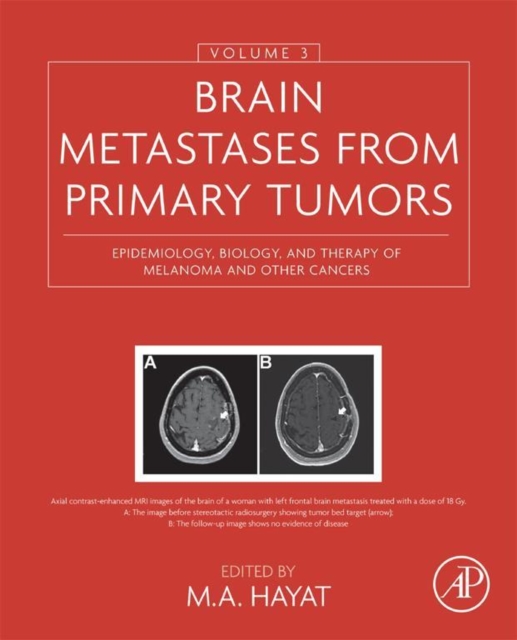
Brain Metastases from Primary Tumors Volume Three: Epidemiology, Biology, and Therapy of Melanoma and Other Cancers provides a comprehensive overview of the metastasis of cancer, the main cause of approximately 90% of cancer associated deaths, yet the mechanisms governing this clinically important process remain poorly understood.
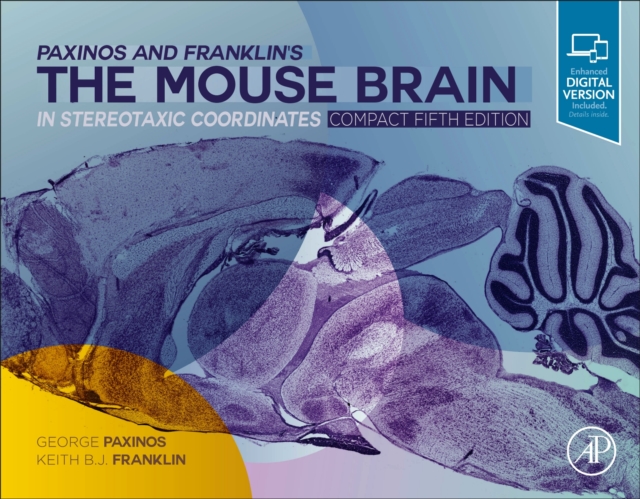
Paxinos and Franklin's The Mouse Brain in Stereotaxic Coordinates, Compact Fifth Edition, is the compact version of the most widely used and cited atlas of the mouse brain in print.