Highlighting Operational and Implementation Research for Control of Helminthiasis, Volume 103 in the Advances in Parasitology series, includes medical studies of parasites of major influence, along with reviews of more traditional areas, such as zoology, taxonomy and life history, all topics which help to shape current thinking and applications.
Schistosomiasis Control, the latest edition in the Advances in Parasitology series first published in 1963, contains comprehensive and up-to-date reviews on all areas of interest in contemporary parasitology.
Lawrie's Meat Science, Eighth Edition, provides a timely and thorough update to this key reference work, documenting significant advances in the meat industry, including storage and preservation of meat, the eating quality of meat, and meat safety.
The fundamental concept of The Biology and Identification of the Coccidia (Apicomplexa) of Carnivores of the World is to provide an up-to-date reference guide to the identification, taxonomy, and known biology of apicomplexan intestinal and tissue parasites of carnivores including, but not limited to, geographic distribution, prevalence, sporulation, prepatent and patent periods, site(s) of infection in the definitive and (if known) intermediate hosts, endogenous development, cross-transmission, pathology, phylogeny, and (if known) their treatments.
Advances in Food Authenticity Testing covers a topic that is of great importance to both the food industry whose responsibility it is to provide clear and accurate labeling of their products and maintain food safety and the government agencies and organizations that are tasked with the verification of claims of food authenticity.
This book is a toolkit for teaching a course on the pathophysiology of disease and how the most widely utilized laboratory tests can be used to diagnose these conditions.
Will change your life Chris Evans Completely fascinating Heston Blumenthal Important and devastating The TimesFrom a world-leading microbiome scientist and surgeon comes Dark Matter, a pioneering guide to hacking your microbiome for a healthier life.
This volume covers a wide range of systems, exemplified by a broad spectrum of micro- and macro-parasites, impacting humans, domestic and wild animals and plants.
Updated and much expanded, the Second Edition of Parasitic Protozoa is designed to be useful to physicians, veterinarians, and research scientists concerned with diseases caused by protozoa in man, and in domestic and wild animals including fish, mollusks and insects, as well as the more commonly considered vertebrate animals.
Updated and much expanded, the Second Edition of Parasitic Protozoa is designed to be useful to physicians, veterinarians, and research scientists concerned with diseases caused by protozoa in man, and in domestic and wild animals including fish, mollusks and insects, as well as the more commonly considered vertebrate animals.
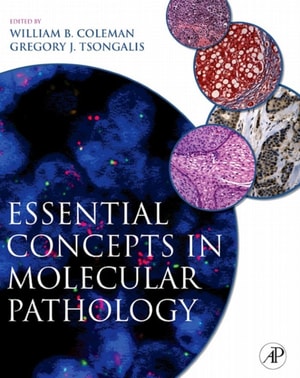
This streamlined "e;essential"e; version of the Molecular Pathology (2009) textbook extracts key information, illustrations and photographs from the main textbook in the same number and organization of chapters.
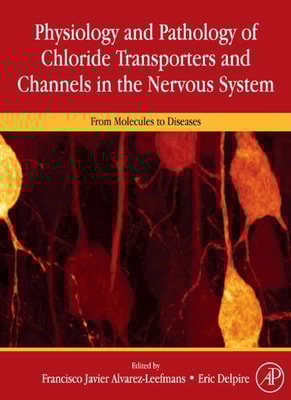
The importance of chloride ions in cell physiology has not been fully recognized until recently, in spite of the fact that chloride (Cl-), together with bicarbonate, is the most abundant free anion in animal cells, and performs or determines fundamental biological functions in all tissues.
Death Investigation: A Field Guide, Second Edition is updated and expanded to include a chronological analysis of the death scene investigative process from the first notification to the autopsy and final report.
Both volumes of Parasites and Pathogens of Insects provide in-depth coverage of the interface between insect parasites and pathogens and hosts, and explore the relationships between these partners.
Toxicologic pathology integrates toxicology and the disciplines within it (such as biochemistry, pharmacodynamics and risk assessment) to pathology and its related disciplines (such as physiology, microbiology, immunology, and molecular biology).
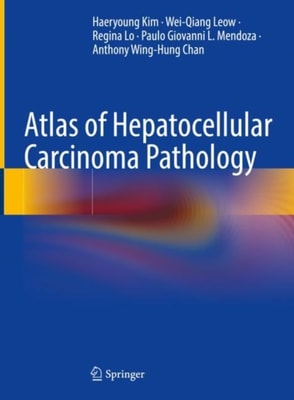
This atlas is designed to be a user-friendly bench-side reference for pathology trainees and general pathologists in handling and interpreting specimens of hepatocellular carcinoma.
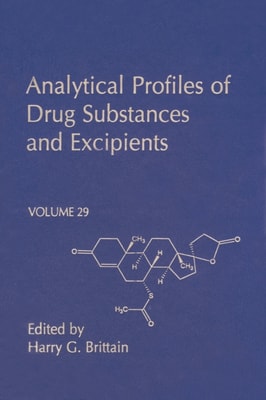
Although the official compendia define a drug substance as to identity, purity, strength, and quality, they normally do not provide other physical or chemical data, nor do they list methods of synthesis or pathways of physical or biological degradation and metabolism.
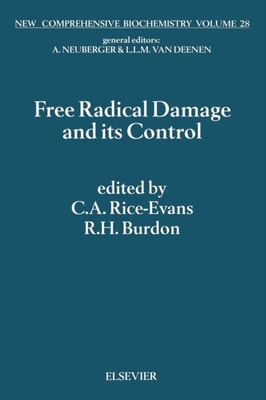
This book provides a comprehensive treatise on the chemical and biochemical consequences of damaging free radical reactions, the implications for the pathogenesis of disease and how this might be controlled endogenously and by radical scavenging drugs.