Antimicrobial Resistance in Agriculture: Perspective, Policy and Mitigation is a valuable industrial resource that addresses complex, multi-factorial topics regarding farm, wild, companion animals, fish, and how the environment plays an important role in amplification and transmission of resistant bugs into the human food chain.
Asiatic Liver Fluke - From Basic Science to Public Health, Volume 102, is a well-known and respected outlet for detailed and comprehensive reviews written by experts covering all aspects of parasitology.
Insect-Plant Interactions, the latest edition in the Advances in Botanical Research series, which publishes in-depth and up-to-date reviews on a wide range of topics in the plant sciences, features several reviews by recognized experts on all aspects of plant genetics, biochemistry, cell biology, molecular biology, physiology, and ecology.
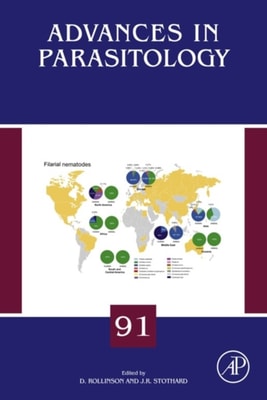
The Advances in Parasitology series includes medical studies of parasites of major influence, along with reviews of more traditional areas, such as zoology, taxonomy and life history, all topics which help to shape current thinking and applications.
Forensic Pathology, the latest volume in the Advanced Forensic Science series that grew out of the recommendations from the 2009 NAS Report serves as a graduate level text for those studying and teaching forensic pathology, and is an excellent reference for forensic pathologists' libraries or for use in their casework.
Present Knowledge in Food Safety: A Risk-Based Approach Through the Food Chain presents approaches for exposure-led risk assessment and the management of changes in the chemical, pathogenic microbiological and physical (radioactivity) contamination of 'food' at all key stages of production, from farm to consumption.
The Norovirus: Features, Detection and Prevention of Foodborne Disease is a unique and valuable reference for both researchers in industry and students who need to understand how this specific pathogen behaves in order to improve control of food as a transmission of this infectious biological agent.
The Express Route to USMLE Excellence in PathologyYou'll never find an easier, more efficient, and more focused way to ace pathology and pathology-related questions on the USMLE and course examinations than USMLE Road Map.
Published since 1953, Advances in Virus Research covers a diverse range of in-depth reviews providing a valuable overview of the current field of virology.
Get the BIG PICTURE of Pathology - and focus on what you really need to know to score high on the course and board examIf you want a streamlined and definitive look at Pathology - one with just the right balance of information to give you the edge at exam time - turn to Pathology: The Big Picture.
Atlas of Oral Microbiology provides a complete description of the oral microbial systems, illustrating them with a large variety of bacteria culture images and electron microscopy photos.
300 cards deliver a fun, fast, high-yield review for the USMLE Step 1Lange Pathology Flash Cards, Third Edition Complete coverage of all major topics covered in medical school pathology coursesEach disease-specific card features a clinical vignette and details of the disorder, including: Etiology and epidemiologyPathologic or histologic findingsClassic clinical presentationsCurrent medical treatmentsPerfect for disease comparisons
LEARN MICROBIOLOGY IN THE CONTEXT OF REAL-LIFE PATIENTS AND PREPARE FOR THE USMLE STEP 1Experience with clinical cases is key to excelling on the USMLE Step 1 and shelf exams, and ultimately to providing patients with competent clinical care.
The quick and easy way to learn the concepts of pathophysiology- and how to apply them to real-world situationsIf you're looking for a fun, fast review that boils pathophysiology down to its most essential, must-know points, your search ends here!
Feed Additives: Aromatic Plants and Herbs in Animal Nutrition and Health explores the use of aromatic plants and their extracts, including essential oils in animal nutrition.
Sustainable Meat Production and Processing presents current solutions to promote industrial sustainability and best practices in meat production, from postharvest to consumption.
Advances in Parasitology, Volume 99, the latest in a series first published in 1963, contains comprehensive and up-to-date reviews on all areas of interest in contemporary parasitology.
Fresh-Cut Fruits and Vegetables: Technologies and Mechanisms for Safety Control covers conventional and emerging technologies in one single source to help industry professionals maintain and enhance nutritional and sensorial quality of fresh-cut fruits and vegetables from a quality and safety perspective.
Echinococcus and Echinococcosis, Part B, Volume 96 presents a complete synthesis on what is known about the parasitic cestode echinococcus and the disease it causes, echinococcosis (Hydatid Disease), demonstrating that, in addition to its medical, veterinary, and economic significance, it is also an intriguing biological phenomenon.
The fun, fast, portable way to review microbiology and infectious diseasesMarket: Medical Students (18,750); Physician Assistant Students (3,000); Nurse Practitioner ProgramsGreat review tool for the boards and course examsEvery card includes a board-style clinical vignetteFormat allows students to compare and contrast diseases220 High Yield Cards Kenneth D.
Parasiticide Discovery: In Vitro and In Vivo Tests with Relevant Parasite Rearing and Host Infection/Infestation Methods, Volume Two presents valuable screening methods that have led to the discovery of the majority of parasiticides commercialized in the animal health industry.
Building the Future of Food Safety Technology: Blockchain and Beyond focuses on evaluating, developing, testing and predicting Blockchain's impact on the food industry, the types of regulatory compliance needed, and other topics important pertaining to consumers.
Microbiology and Molecular Diagnosis in Pathology: A Comprehensive Review for Board Preparation, Certification and Clinical Practice reviews all aspects of microbiology and molecular diagnostics essential to successfully passing the American Board of Pathology exam.
Immunology, Volume 1: Immunotoxicology, Immunopathology, and Immunotherapy discusses the investment of time, effort and finance that go into making progress in preventing and/or curing serious diseases by using standard treatments (chemotherapy, radiotherapy, surgery, and hormone therapy).
Ace your Pathophysiology course with the help of nursing review pioneer Marlene HurstUse Marlene's no cram, pass with what you already know system to slash your study time in halfBased on Marlene Hurst's popular nursing seminars that train over 30,000 students annually, this innovative review is loaded with the author's time-tested strategies - all designed to help you excel in your Pathophysiology course exams.
This title critically reviews old and new literature, help to create greater awareness of the disease in the US and helps in the evaluation of certain epidemiological and public health issues.
Leishmaniasis is a neglected tropical disease that is known to be transmitted by 90 different species of sandflies which carry 20 Leishmania species that cause human infection particularly in endemic countries.
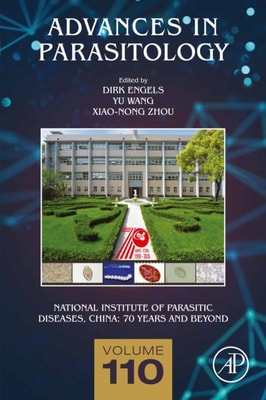
National Institute of Parasitic Diseases, China: 70 Years and Beyond, Volume 110 covers the major achievements gained in the research and control of parasitic diseases in China, e.
Identification of Pathological Conditions in Human Skeletal Remains provides an integrated and comprehensive treatment of pathological conditions that affect the human skeleton.
A unique case-based molecular approach to understanding pathologyPathology: A Modern Case Study is a concise, focused text that emphasizes the molecular and cellular biology essential to understanding the concepts of disease causation.
Viruses: From Understanding to Investigation provides students with a map for lifetime learning by presenting the definition and unique characteristics of viruses, including major topics, such as the virus lifecycle, structure, taxonomy, evolution, history, host-virus interactions and methods to study viruses.
Innovative Food Analysis presents a modern perspective on the development of robust, effective and sensitive techniques to ensure safety, quality and traceability of foods to meet industry standards.