This book highlights cutting-edge studies in the development of cell-inspired biomaterials and synthetic materials that manipulate cell functions and provide the next generation with contemporary tools for treating complex human diseases.
This book is the culmination of an international effort to bring consistency and diagnostic efficiency to effusion cytology for the sake of patient care.
This book series focuses on current progress in the broad field of medical microbiology, and covers both basic and applied topics related to the study of microbes, their interactions with human and animals, and emerging issues relevant for public health.
This book offers a valuable resource, reviewing the current state of knowledge concerning the pathology and epidemiology of infectious diseases in both captive and wild monkeys.
This two-volume edited book highlights and reviews the potential of the fossil record to calibrate the origin and evolution of parasitism, and the techniques to understand the development of parasite-host associations and their relationships with environmental and ecological changes.
One of the most exciting developments in the field of bacterial pathogenesis in recent years is the discovery that many pathogens utilize complex nanomachines to deliver bacterially encoded effector proteins into eukaryotic and prokaryotic target cells to modulate a variety of cellular functions for the pathogen's benefit.
This book addresses practical issues that reflect the current landscape of GI pathology practice and is organized in such a way that fits the fast-pacing daily life of practicing pathologists.
This book provides a comprehensive and up-to-date overview of the pathologic features of common benign and malignant hematopoietic disorders in spleen and liver for practicing pathologists, hematopathologists and clinicians.
This book discusses the pathology of the retina, and reviews current research on the use of cell replacement therapy and short peptides to restore functional activity in retinal neurons.
The book is dedicated to Follicular lymphoma and Mantle cell lymphoma and highlights major reference works that contributed significantly to the understanding of these two lymphomas.
This book covers neoplastic and non-neoplastic pulmonary diseases, supplying essential information for the most common pulmonary diseases as well as many of the rarer ones.
This first volume in a two-volume work enhances readers' understanding of antimicrobial resistance mechanisms in selected bacterial species that cause diseases in major food producing animals.
The main goal of the second edition of this book is to update the content on the rapidly growing field of lymphoscintigraphy, a radionuclide-based imaging procedure that provides information on the functional status of the lymphatic system.
This book emerges from the idea that specific physics-inspired approaches are necessary to understand different stage of bacterial physiology and the infections they cause.
This book provides current information for a judicious use of conventional and molecular ICC markers performed in cytologic samples to help in the cost-effective diagnosis of superficial and deep-seated masses.
Multiple demographic or economic parameters contribute to the origin of emerging infections, for example: poverty, urbanization, climate change, conflicts and population migrations.
This book provides a comprehensive resource on various aspects of the parasite Trypanosoma cruzi and the neglected tropical disease Chagas disease (American trypanosomiasis), the disorder resulting from infection with the parasite.
Given the at times confusing new information concerning the human microbiome released over the last few years, this book seeks to put the research field into perspective for non-specialists.
This thoroughly revised second edition is an up-to-date overview of the new advances in the knowledge of the basic science in sarcoma and osteosarcoma.
This two-volume edited book highlights and reviews the potential of the fossil record to calibrate the origin and evolution of parasitism, and the techniques to understand the development of parasite-host associations and their relationships with environmental and ecological changes.
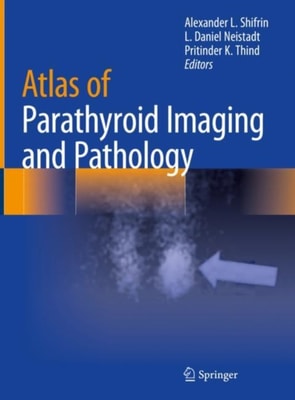
This book provides a visual demonstration of normal and ectopic locations of parathyroid adenomas using different modalities in patients with PHPT and to describe parathyroid gland-related pathology.
This volume summarizes and updates information about antibiotics and antimicrobial resistance (AMR)/antibiotic resistant genes (ARG) production, including their entry routes in soil, air, water and sediment, their use in hospital and associated waste, global and temporal trends in use and spread of antibiotics, AMR and ARG.
It is one of the most extraordinary cases in the history of science: the mating calls of insects were mistaken for a "e;sonic weapon"e; that led to a major diplomatic row.
Saliva as a unique sample for health assessment is gaining attention among researchers of different fields in the last 20 years; being reflected in an impressive increase in the number of papers published studying saliva from different biological aspects in human and veterinary species.
This book provides a comprehensive and up-to-date overview of the pathologic features of common benign and malignant hematopoietic disorders in spleen and liver for practicing pathologists, hematopathologists and clinicians.
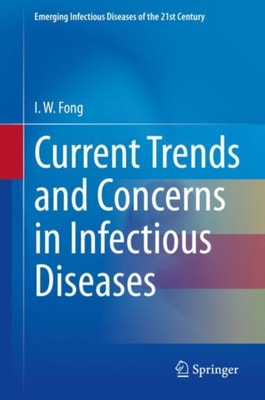
A follow-up to Emerging Issues and Controversies in Infectious Diseases, this volume provides a comprehensive review of topical issues in infectious diseases, highlighting the controversies related to the newest findings and recommendations.
This book series focuses on current progress in the broad field of medical microbiology, and covers both basic and applied topics related to the study of microbes, their interactions with human and animals, and emerging issues relevant for public health.