Including the latest reviews of the most current issues related to food and nutrition toxicity, Reviews in Food and Nutrition Toxicity, Volume 3 distills a wide range of research on food safety and food technology.
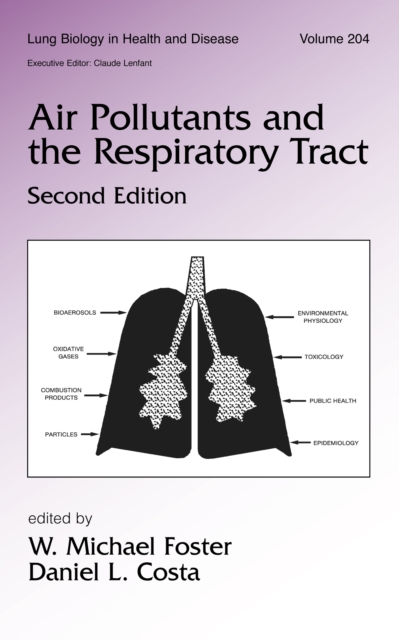
Emphasizing the impact of air toxins and contaminants on human health, this Second Edition examines the latest research from the epidemiology to the cellular mechanisms underlying cardiopulmonary responses to air pollution.
Featuring more than 4100 references, Drug-Induced Liver Disease is an invaluable reference for gastroenterologists, hepatologists, family physicians, internists, pathologists, pharmacists, pharmacologists, and clinical toxicologists, and graduate and medical school students in these disciplines.
To facilitate the development of novel drug delivery systems and biotechnology-oriented drugs, the need for new, yet to be developed, and approved excipients continues to increase.
This significantly updated and expanded new edition presents the scientific foundations of inhalation research essential to the design and conduct of toxicologic studies.
This book reviews the history, regulatory status, pharmacopeial specifications, and harmonization of pharmaceutical excipients in the United States and Europe, and provides a comprehensive understanding of the current scientific basis for safety evaluation and risk assessment.
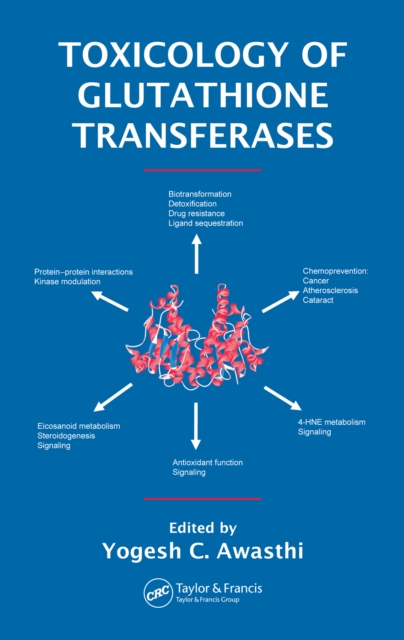
Since the discovery of Glutathione S-Transferase (GST) or Glutathione transferase, studies have probed important questions about its pharmacological and physiological significance.
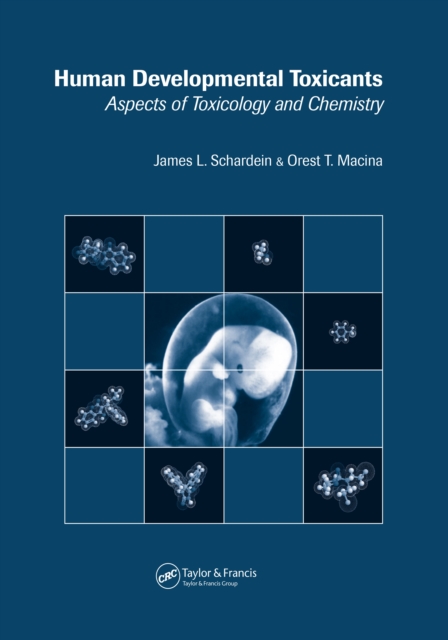
Presenting the first database of its kind, this unique reference illustrates the relationships between the chemistry and developmental toxicity of a number of important pharmaceuticals and industrial toxicants.
A truly international and multi-disciplinary compendium of current best practices authored by top practitioners from around the world, the book covers current trends and technology advances in the following disciplines within forensic science: bloodstain pattern analysis, forensic photography, ballistics, latent prints, forensic genetics and DNA, questioned documents, forensic toxicology, forensic clinical medicine, forensic pathology, forensic odontology, forensic anthropology, forensic entomology, forensic biometry, forensic psychology and profiling, law comparison and ethics, and much more.
Handbook of Novel Psychoactive Substances (NPS) provides a comprehensive overview of the challenges that clinicians face when dealing with NPS and discusses how the profile of patients and their socio-demographic characteristics frame the serious public health concern that NPS pose.
Handbook of Novel Psychoactive Substances (NPS) provides a comprehensive overview of the challenges that clinicians face when dealing with NPS and discusses how the profile of patients and their socio-demographic characteristics frame the serious public health concern that NPS pose.
The clinical approaches to the chronic degenerative diseases that drain our resources, and compromise our well-being, have become almost exclusively symptom-focused.
Karch's Drug Abuse Handbook, Third Edition remains the quintessential compendium addressing the pharmacological, medical, and legal aspects of drugs and informing the forensic community of the latest scientific advances and emergent practices.
This text on building materials includes discussion of structural clay products, rocks and stones, wood, materials for making concrete, ferrous and non-ferrous metals, and miscellaneous materials.
This text on building materials includes discussion of structural clay products, rocks and stones, wood, materials for making concrete, ferrous and non-ferrous metals, and miscellaneous materials.
CRC Handbook of Food, Drug, and Cosmetic Excipients provides a comprehensive summary of toxicological issues regarding inactive ingredients in pharmaceutical products, cosmetic products, and food additives.
CRC Handbook of Food, Drug, and Cosmetic Excipients provides a comprehensive summary of toxicological issues regarding inactive ingredients in pharmaceutical products, cosmetic products, and food additives.
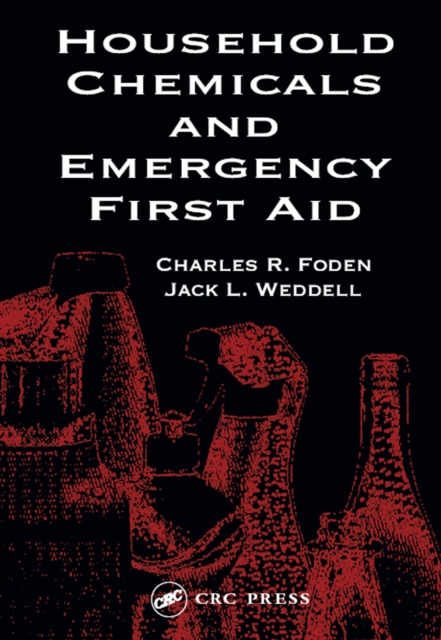
Household Chemicals and Emergency First Aid is an essential manual that covers 386 household chemicals, discusses their hazards when mixed with other chemicals, describes the symptoms of overexposure, and provides instructions for emergency first aid treatment.
Household Chemicals and Emergency First Aid is an essential manual that covers 386 household chemicals, discusses their hazards when mixed with other chemicals, describes the symptoms of overexposure, and provides instructions for emergency first aid treatment.
Forensic professionals, particularly medical examiners-often working through heavy caseloads-require quick and easy access to reliable sources of information to help interpret toxicology results.
Forensic professionals, particularly medical examiners-often working through heavy caseloads-require quick and easy access to reliable sources of information to help interpret toxicology results.
In the present and subsequent volumes of this book, critical coverage of the literature will be combined with the fruits of original and highly relevant research carried out by Dr.
In the present and subsequent volumes of this book, critical coverage of the literature will be combined with the fruits of original and highly relevant research carried out by Dr.
Reversibility of Chronic Disease and Hypersensitivity, Volume 4: The Environmental Aspects of Chemical Sensitivity is the fourth of an encyclopedic five-volume set describing the basic physiology, chemical sensitivity, diagnosis, and treatment of chronic degenerative disease studied in a 5x less polluted controlled environment.
Toxins and Other Harmful Compounds in Foods provides information on the contents, distribution, chemical properties, and biological activity of toxins and other harmful compounds in foods that are natural components of the raw materials, accumulated due to microbial actions and environmental pollution, or are generated due to processing.
This book is created for a diverse audience that includes geologists and Earth scientists studying the impacts of geological processes on human health, as well as health professionals and medical researchers interested in the environmental determinants of health.