Perfekt abgestimmt auf die moderne Ausbildung zum Toxikologen, werden in diesem Lehr- und Prüfungsbuch alle wichtigen Konzepte und wissenschaftlichen Grundlagen der Toxikologie erklärt: von der molekularen Toxikologie bis hin zu Risk Assessment und Epidemiologie.
Smoking causes and contributes to a large number of human diseases, yet due to the large number of potentially hazardous compounds in cigarette smoke -- almost 5,000 chemicals have been identified, establishing the link between smoking and disease has often proved difficult.
Smoking causes and contributes to a large number of human diseases, yet due to the large number of potentially hazardous compounds in cigarette smoke -- almost 5,000 chemicals have been identified, establishing the link between smoking and disease has often proved difficult.
This topical reference and handbook addresses the chemistry, pharmacology, toxicology and the patentability of prodrugs, perfectly mirroring the integrated approach prevalent in today's drug design.
This topical reference and handbook addresses the chemistry, pharmacology, toxicology and the patentability of prodrugs, perfectly mirroring the integrated approach prevalent in today's drug design.
A practice-oriented desktop reference for medical professionals, toxicologists and pharmaceutical researchers, this handbook provides systematic coverage of the metabolic pathways of all major classes of xenobiotics in the human body.
By covering the full spectrum of topics relevant to peptidic drugs, this timely handbook serves as an introductory reference for both drug developers and biomedical researchers interested in pharmaceutically active peptides, presenting both the advantages and challenges associated with this molecular class.
Written by a leading expert on Aspirin-related research, this is the first comprehensive treaty of the history, pharmacological effects and clinical applications of one of the most successful drugs ever.
Written in a clear and concise style by an experienced author, this attractively-priced book covers regulatory affairs in all major global markets for pharmaceuticals and medical devices, making it the most comprehensive in its field.
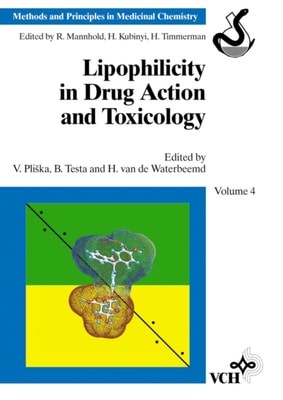
Barrier, reservoir, target site - those are but some of the possible functions of biological lipid membranes in the complex interplay of drugs with the organism.
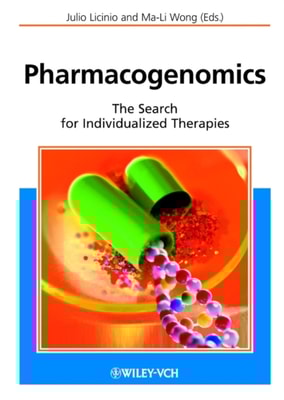
This work represents the first comprehensive publication in the innovative field of pharmacogenomics, a field which is set to revolutionize pharmaceutical research.
In keeping with the outstanding importance of lipophilicity in biosciences, this volume examines all its facets in more than twenty contributions from leading experts.
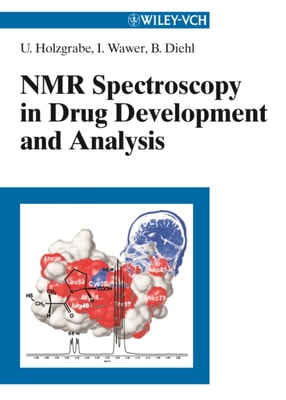
Since the development of the NMR spectrometer in the 1950s, NMR spectra have been widely used for the elucidation of the 2D structure of newly synthesized and natural compounds.
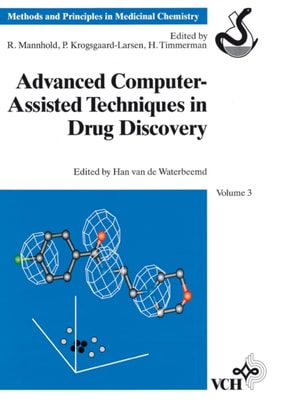
Recent progress in high-throughput screening, combinatorial chemistry and molecular biology has radically changed the approach to drug discovery in the pharmaceutical industry.
This is the first book specializing in plasmids and their biomedical use, including all relevant aspects of production, applications, quality, and regulations.
This timely and original handbook paves the way to success in plant-based drug development, systematically addressing the issues facing a pharmaceutical scientist who wants to turn a plant compound into a safe and effective drug.
Divided into the three main sections of synthesis, analysis and drug development, this handbook covers all stages of the drug development process, including large-scale synthesis and purification of chirally pure pharmaceuticals.
In this new edition of a bestseller, all the contents have been updated and new material has been added, especially in the areas of toxicity testing and high throughput analysis.
In The Aptamer Handbook, leading scientists from academia as well as biotech and pharma companies introduce the revolutionary concept of designing RNA and DNA oligonucleotides with novel functions by in vitro selection.
This novel, multidisciplinary handbook highlights recent evidence that antigen presenting cells (APCs) are not only key players in the initiation or prevention of an antigen-specific T lymphocyte-mediated adaptive immune response, but also critical regulators and integrators in the interplay between our innate and adaptive immune system.
With its focus on industrial pharmaceutical research, written by international experts from the industry, this book fills in a gap in the existing literature.
This book is the first of its kind in the field of protein microarrays and addresses novel strategies for constructing highly functional and biocompatible microarrays for screening proteins.
This readily comprehensible book explains the identification of molecular targets via cellular assays, reporter genes or transgenic models, as well as surveying recent advances in the synthesis, separation and analysis of drugs.
The need for state-of-the-art antimicrobial agents is greater than ever because of the development of multidrug resistance in communal pathogens, the rapid rise of new infections, and the potential for use of multidrug-resistant agents in biological protection.
The need for state-of-the-art antimicrobial agents is greater than ever because of the development of multidrug resistance in communal pathogens, the rapid rise of new infections, and the potential for use of multidrug-resistant agents in biological protection.
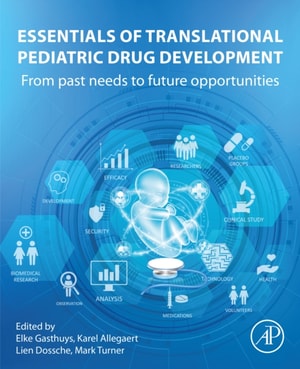
Essentials of Translational Pediatric Drug Development: From Past Needs to Future Opportunities provides integrated and up-to-date insights relevant for both translational researchers and clinicians active in the field of pediatric drug development.