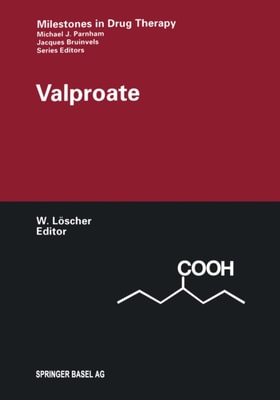
Since the fortuitous discovery of its anticonvulsant activIty in 1962, valproate has established itself worldwide as a major antiepileptic drug against several types of epileptic seizures.
Various peptides native to the brain and the spinal cord, as well as various synthetic peptides, peptide analogues and peptidomimetics could be useful in the treatment of diseases of the central nervous system.
Several new developments in the field of neuroimmunology with focus on the brain-to-immune system communication have been the incentive for this PIR volume.
In November 1998 many of the key leaders of new drug discovery for inflammatory diseases gathered at Hershey, Pennsylvania for the 9th International Conference of the Inflammation Research Association.
Cytokines have become established as key mediators of the signs and symptoms of inflammatory diseases such as arthritis, dermatitis, asthma and multiple sclerosis.
The introduction of chlorpromazine in 1953, and haloperidol in 1958, into clinical practice dramatically altered the therapy of schizophrenic patients.
Mit Hilfe der Bioinformatik können ermittelte DNA-, RNA- oder Aminosäuresequenzen hinsichtlich Struktur und Funktion schnell eingeschätzt werden; das spart Kosten und Zeit bei weiterführenden Experimenten im Labor.
In recent years, the area of pharmacotherapy of GI inflammation has witnessed important progress, with new drugs and therapeutic approaches being introduced.
The purpose of this volume in the Progress in Inflammation Research series is to provide the biomedical and clinical researcher with a state-of-the-art insight in the role of cytokines in joint inflammation and joint destruction.
During the past decade research into the pharmacology of cognition, particularly regarding learning and memory, has supported the concept that many potential neural targets exist for the development of cognitive-enhancing drugs.
Arachidonic acid (AA) and other 20 or 22-carbon polyunsaturated fatty acids (PUFAs) are precursors of lipid mediators of inflammation known as eicosanoids.
Alzheimer disease (AD) has become the most common form of dementia in industrialized countries and represents an increasing burden at the economic, social and medical level.
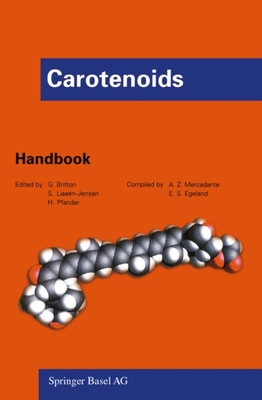
With the number of natural carotenoid structures reported rising above 700, there is a clear need for a single reference work containing data on all these compounds.
Einer kurzen Einleitung in das Werk Felix Hoffmanns, des 1946 verstorbenen Erfinders von Aspirin®, folgen vier separate Kapitel über die Wirkungsmechanismen der Acetylsalicylsäure, einschließlich ihrer Phamakokinetik.