The on-going 'green' trend in the personal care industry coupled with global environmental concerns, place natural-origin, biodegradable and skin-friendly surfactants such as alkyl polyglucosides (APGs) in high demand.
From first person accounts of pharmaceutical studies gone bad to intricate medical histories, Guinea Pig Zero provides a fascinating look at the people who sell their bodies to science.
Neurodegenerative diseases, like Alzheimer's, Parkinson's, and Huntington's, cast a long shadow over millions of lives, stealing memories, independence, and futures.
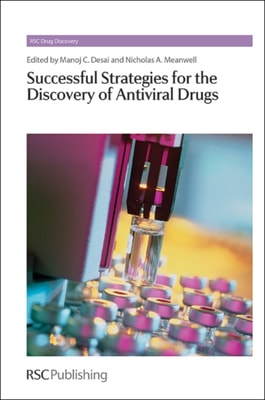
The antiviral therapeutic area continues to rapidly generate meaningful new chemical entities; for example, for HIV alone more than 25 drugs have been approved, and in the next few years many individual drugs and single tablet regimens will be approved for the treatment of hepatitis C virus infection.
This book presents a contemporary review of the field of Pain Therapeutics, including the historical medicines which still dominate standard of care treatments, as well as the new mechanisms and combinations/reformulations that have dominated the regulatory approvals over the last decade.
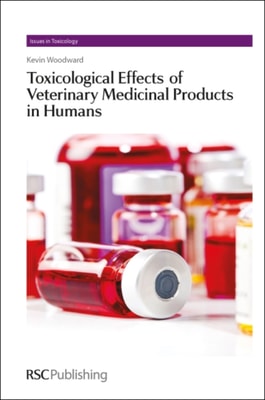
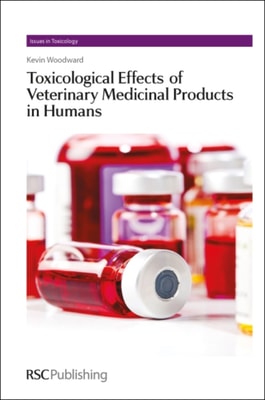
Toxicological Effects of Veterinary Medicinal Products in Humans is the first definitive guide to discuss the adverse effects of veterinary medicinal products in humans.
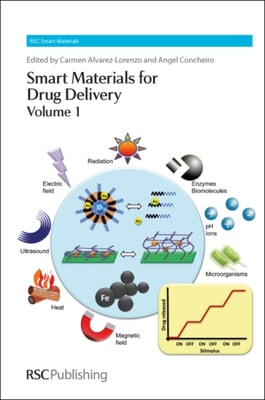
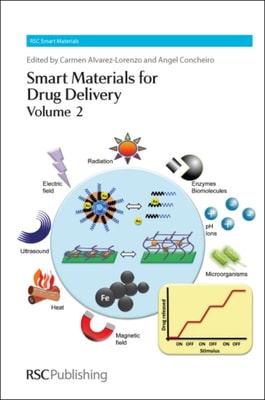
Smart materials, which can change properties when an external stimulus is applied, can be used for the targeted drug delivery of an active molecule to a specific site in the correct dosage.
Toxicological Effects of Veterinary Medicinal Products in Humans is the first definitive guide to discuss the adverse effects of veterinary medicinal products in humans.
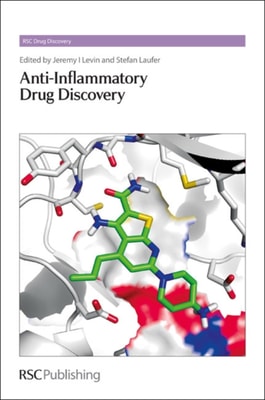
Anti-Inflammatory Drug Discovery provides a comprehensive review of recent medicinal chemistry approaches to a variety of important therapeutic targets and provides a key reference for those interested in the prosecution of modern drug discovery programs directed at anti-inflammatory mechanisms of action.
The diabetes mellitus epidemic is unfolding across the globe with the World Health Organization (WHO) reporting a worldwide prevalence of 177 million patients with diabetes.
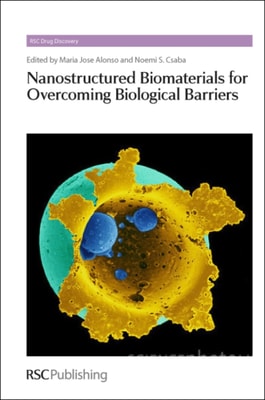
This book provides a critical overview of the advances being made towards overcoming biological barriers through the contribution of nanosciences and nanotechnologies.
Multivariate analysis of the multi-component analytical profiles of carefully collected biofluid and/or tissue biopsy specimens can provide a 'fingerprint' of their biomolecular/metabolic status.
Ion channel drug discovery is a rapidly evolving field fuelled by recent, but significant, advances in our understanding of ion channel function combined with enabling technologies such as automated electrophysiology.
This book offers an integrated review of the most recent trends in natural products drug discovery and key lead candidates that are outstanding for their chemistry and biology as a starting point in novel drug development.
The discovery and development of effective medicines for the treatment of psychiatric disorders such as schizophrenia and depression has been heralded as one of the great medical achievements of the past century.
Advances in Dermatological Sciences collates major scientific research achievements over the last two years in a diverse range of dermatological research fields.
The world's aging populations, with age-related disorders affecting every organ system, are generating medical care costs rising at an unsustainable rate.
The aim of this book is to provide the scientific background to using the formation of chemical categories, or groups, of molecules to allow for read-across i.
Smart materials, which can change properties when an external stimulus is applied, can be used for the targeted drug delivery of an active molecule to a specific site in the correct dosage.
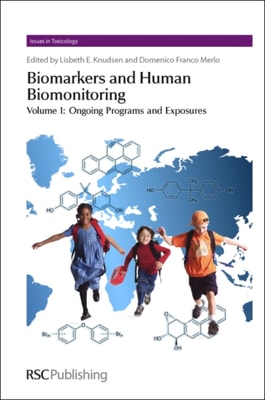
Human biomonitoring has developed from a research tool in occupational and environmental health to identify and quantify exposures to harmful substances in urine and blood.
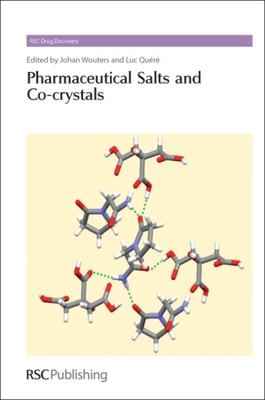
From crystal structure prediction to totally empirical screening, the quest for new crystal forms has become one of the most challenging issues in the solid state science and particularly in the pharmaceutical world.
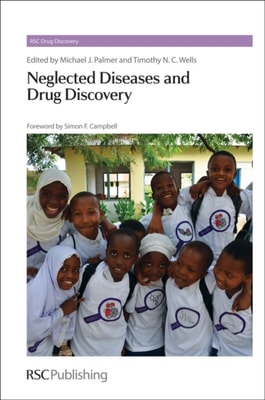
There are about 8 million deaths each year from neglected tropical diseases (NTDs) in the underdeveloped world, whilst drug discovery focus and practice is only recently taking on greater urgency and embracing the latest technologies.
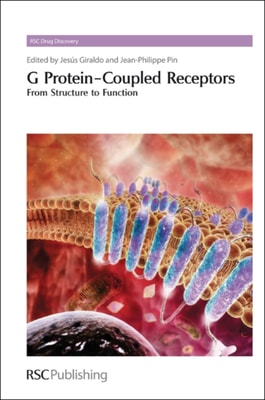
G protein-coupled receptors (GPCRs) are the largest family of cell-surface receptors, with more than 800 members identified thus far in the human genome.
This book documents the latest research into the theory and application of force-fields, semi-empirical molecular orbital, density functional and ab initio calculations, Quantum Mechanical (QM) based modelling, Atoms in Molecules (AIM) approach, and biomolecular dynamics.
Human biomonitoring has developed from a research tool in occupational and environmental health to identify and quantify exposures to harmful substances in urine and blood.
The sophistication of modelling and simulation technologies have improved dramatically over the past decade and their applications in toxicity prediction and risk assessment are of critical importance.
This book re-evaluates epidemiological and occupational health studies, experimental studies in animals and in vitro experiments relating to the toxicity of 27 metal and metalloid elements for which evidence of carcinogenicity has been presented.
In recent years there has been increasing evidence of the importance of carbohydrates and glycoconjugates in biomedical applications, and the use of synthetic ligands based on carbohydrates as drugs has received much attention.
Although it is widely recognized that environmental factors such as smoking, diet, exercise, and socioeconomic status affect the risk of cardiovascular disease, recent work showing the effects of other environmental factors provides a more complete assessment of the situation.
Accounts in Drug Discovery describes recent case studies in medicinal chemistry with a particular emphasis on how the inevitable problems that arise during any project can be surmounted or overcome.
In Silico methods to predict toxicity have become increasingly important recently, particularly in light of European legislation such as REACH and the Cosmetics Regulation.
Silver in healthcare has many different facets and since the early concepts of microbiology of the 1880's, has been developed from usage in surgical clips, staples, foil wound dressings and surgical implants, to the widespread and clinically effective antiseptic wound dressings, sutures, catheters, bone and dental implants, and cardiovascular devices of today.
Drug delivery systems represent a vast area of research and development within biomaterials and medicine and the demand for sophisticated drug delivery devices continues to drive novel product development.
The vast number of chemicals existing or being added into the environment, have globally aroused great concern regarding their adverse effects in human population.
Freeze-drying, in the past popular in the food industry, has more recently been adopted by the pharmaceutical industry as a standard method for the production of stable solid preparations.