Extensive research has uncovered a set of molecular surveillance mechanisms - commonly called "e;checkpoints"e; - which tightly monitor cell-cycle processes.
Justinius Kerner, a German medical officer and poet, was the first to realize that botulinum toxin potentially might be useful for therapeutic purposes.
The use of molecular biology and biochemistry to study the regulation of gene expression has become a major feature of research in the biological sciences.
Apoptosis, Senescence and Cancer provides insight into established practices and research into apoptosis and senescence by thoroughly examining novel and emerging techniques and research in the fields of cell death pathways, senescence growth arrest, drugs and resistance, DNA damage response, and other topics which still hold mysteries for researchers.
The evolution in our understanding of opioid receptors and their subtypes is in- mately linked to the development of new pharmacological treatments for diseases/ disorders as diverse as addiction, self-injurious behavior, pain, cancer, infl- mation, eating disorders, traumatic injury, pruritis, and movement disorders.
In 1860, Oliver Wendell Holmes pointedly expressed himself to the Massachusetts Medical Society: "e;I firmly believe that if the whole Material Medica, as now used, could be sunk to the bottom of the sea, it would be all the better for mankind, and all the worst for the fishes.
In Handbook of Drug Monitoring Methods: Therapeutics and Drug Abuse, authors discuss the different analytical techniques used in today's practice of therapeutic drug monitoring and drugs of abuse as well as alcohol testing with relevant theory, mechanism, and in-depth scientific discussion on each topic.
In this revised and expanded edition of his critically acclaimed Criminal Poisoning: Investigational Guide for Law Enforcement, Toxicologists, Forensic Scientists, and Attorneys, leading forensic scientist John Trestrail offers a pioneering survey of all that is known about the use of poison as a weapon in murder.
The definitive book about the impact of prescription painkiller abuse on individuals, communities, and society by one of America's leading experts on addiction.
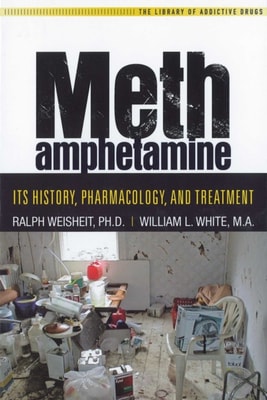
The definitive book on the impact of methamphetamine on individuals, communities, and society by two of America's leading addiction and criminal justice experts.
Toxicity Assessment Alternatives: Methods, Issues, Opportunities contains a broad array of critical surveys, contributed by active and respected investigators, describing their research and offering updates on toxicity assessment alternatives, directions determined by current and future grant programs, opportunities for mechanistically based test methods to detect endocrine disruptor activity, the use of alternatives in the Department of Defense hazard assessment initiatives, and the issues and opportunities for validation and regulatory acceptance.
Leading physicians and scientists from around the world critically examine the pharmacological and molecular basis of the therapeutic properties of marihuana and its active ingredient, THC.
New discoveries in biology are occurring at an incredible rate, and with these discoveries arise nearly unimaginable opportunities in every area of human existence.
A comprehensive review of the science of drug testing in all its aspects, placing emphasis on technologies that use body fluids other than urine for determining the presence of drugs of abuse.
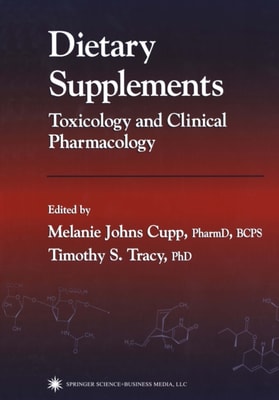
A treasure trove of uncommon and reliable scientific and clinical information for the toxicity and usefulness of today's leading nonherbal dietary supplements.
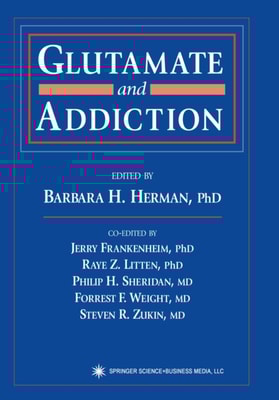
In Glutamate and Addiction, world-renowned scientific experts critically review all of the evidence for the role of glutamatergic systems in opiate, stimulant, and alcohol addiction.
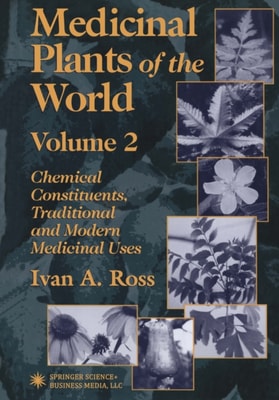
An extraordinary compendium of information on herbal medicine, Medicinal Plants of the World, Volume 2 comprehensively documents the medicinal value of twenty-four major plants species widely used around the world in medical formulations.
Leading infectious disease researchers and pharmaceutical scientists comprehensively review the latest genomic technologies and their application to the prevention, diagnosis, and treatment.
Technologies and Innovations for Sustainable Development offers a comprehensive exploration of cutting-edge solutions that can help us build a greener, more equitable future.
The Evidence-Based Guide to Antipsychotic Medications is designed to provide both clinicians and residents with focused, comprehensive, and clinically relevant information regarding the use of antipsychotic medications to treat a broad range of psychiatric conditions -- from mood and anxiety disorders to substance abuse, personality disorders, and schizophrenia.
Neuroleptic malignant syndrome (NMS) and other hyperthermic conditions are rare complications of antipsychotic drugs that can cause discomfort, disability, and even death.
Handbook of Essential Psychopharmacology, Second Edition, provides an indispensable guide to vital information in the rapidly expanding field of psychopharmacology.
In the 7 years since the first edition of Clinical Manual of Geriatric Psychopharmacology was published, dozens of new drugs have been released, and older medications have been marketed in different formulations.
Clinical Manual of Addiction Psychopharmacology is a comprehensive guide to the pharmacology of drugs of abuse and the medications used to treat dependence on those substances.
After 18 years since the first biosimilar was approved, a lot has changed, from the regulatory guidelines to the stakeholder perceptions about the safety and efficacy of biosimilars.
Communication Skills for Pharmacists: Building Relationships, Improving Patient Care, 3rd edition, includes new material that will help student pharmacists and practicing pharmacists develop the communication skills they need for providing high-quality care.