This volume is a summary of material presented in the course given in the International School of Phannacology on "e;Drug Epidemiology and Post-Marketing Surveillance"e; between September 27 and October 8, 1990, at the "e;Ettore Majorana Center for Scientific Culture"e; in Erice, Sicily.
This volume is a record of a meeting entitled "e;Heparin and Related Polysaccharides"e; that was held at the Biomedical Center, Uppsala, Sweden between 1-6 September 1991.
In one generation, the numerous factors involved in blood coagulation have become real protein entities, isolated in pure form, expressed by recombinant DNA techniques, and subjected to structure elucidation by the modem methods of physical chemistry, viz.
Biotechnology may be defined as the application of scientific and engineering principles to the processing of materials by biological agents to provide goods and services (Bullet al.
The 1989 Annual Meeting of the Society for Risk Analysis dramatically demonstrated one of the most important reasons for having the Society - to bring together people with highly diverse backgrounds and disciplines to assess the common problems of societal and individual risks.
Investigation of the pharmacokinetics and metabolism of human proteins has escalated over the last two decades because of the use of recombinant human proteins as therapeutic agents.
Over the weekend of 21-23 February 1997, a small group gathered in Tallahassee, Florida, at the invitation of Ted Williams, to discuss "e;photo stasis and related topics.
The Sixth International Meeting on Cholinesterases and Related Proteins, Choli- nesterases '98, was organized by Palmer Taylor and his associates at the University of California-San Diego and convened in La Jolla, California, USA, in March of 1998.
Taurine, or 2-aminoethane sulfonic acid, has long been known to be the major organic product formed from the breakdown of the sulfur-containing amino acids, methionine and cysteine.
The recent developments in modern vaccinology are mainly based on: (i) cloning of microbial genes into recombinant vectors containing genetic information for expression of desired neutralizing immunogens; (ii) alternatives of attenuated vectors with deleted genes permitting the insertion of several foreign genes expressing antigens exposed to the host immune system during the abortive replication of such vectors; (iii) combined vaccines with the aim to protect against many diseases with a limited number of administrations; (iv) evidence demonstrating the ability of animals to respond serologically to DNA injections considered as a potential method of vaccination; (v) the possibility to manipulate the immune system with new and improved immunomodulators enhancing the immune response; and (vi) new microcarrier systems for particular immunogens or immunomodulators delivery, either in a single dose or sustained release, and presentation to the immune system for a relevant response.
The field of genetic toxicology has gone through remarkable development in the seven years since the appearance of the first edition of Principles of Genetic Toxicology.
Pharmaceutical scientists in industry and academia will appreciate this single reference for its detailed experimental procedures for conducting biopharmaceutical studies.
From the President of the Research Society on Alcoholism In recent years the alcohol research field has matured and is attracting a substantial number of eager and technically sophisticated researchers.
From the President of the Research Society on Alcoholism In recent years, increasingly convincing evidence in support of a biobehavioral conceptual model of the etiology of alcoholism has emerged.
From the President of the Research Society on Alcoholism In the last decade research concerning the causes and consequences of alcohol abuse and alcoholism has come of age.
From the President of the American Society of Addiction Medicine Recent Developments in Alcoholism (Volume 10) is a major contribution to the literature of addiction medicine.
Scientific advances over the past two decades have afforded unprecedented oppor- tunities to understand the structure and function of receptors, receptor-ligand interactions, and receptor signaling.
This book is a summary of the presentations and discussions at the Workshop on Methods of Pesticide Exposure Assessment held in Ottawa, Canada, on October 5-8, 1993.
In the past 15 years much evidence has accumulated which indicates the paramount importance of sensory nerves in reg- ulating functions of the gastrointestinal tract.
This volume of the series Advances in Risk Analysis consists of papers presented at the 1988 Annual Meeting of the Society for Risk Analysis, which was held October 30 through November 2 at the Mayflower Hotel in Washington, DC.
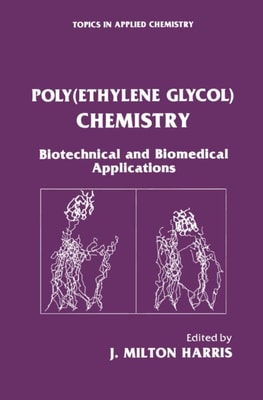
The idea for this book came from discussions among participants in a symposium on biotechnical applications at the "e;Pacifichem 89"e; meeting in Honolulu.
Marking the 200th National Meeting of the American Chemical Society, The Division of Nuclear Chemistry and Technology hosted a group of about 90 scientists from 15 different countries to discuss the new trends in radiopharmaceutical synthesis, quality assurance and regulatory control.
The rapidly burgeoning research of the past two decades on agonist-antagonist analgesics and opioid receptors makes this exhaustive review of opioid anal- gesics particularly relevant and timely.
This volume comprises the edited proceedings of the International Taurine Sympo- sium held in Osaka, Japan, in June 1995, as a Satellite Symposium of the 15th Biennial of the International Society for Neurochemistry.
Organized by the French Speaking Society for Study and Research on Essential Trace Elements (SFERETE), the Fifth International Congress on Trace Elements in Medicine and Biology "e;Therapeutic Uses of Trace Elements"e; was held February 4-7.