Persistent organic pollutants (POPs) and toxic elements, such as dioxins, flame retardants, lead and mercury, are substances of major concern for the food industry, the regulator and the public.
Predictive data science is already in use in many fields, but its application in toxicology is new and sought after by non-animal alternative testing initiatives.
The assessment of cancer risk is a complex process that requires the examination of etiological agents, real-world environments, and individual rates of exposure.
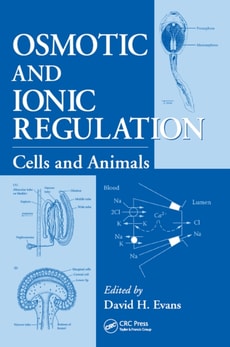
In the 40 years since the classic review of osmotic and ionic regulation written by Potts and Parry, there has been astonishing growth in scientific productivity, a marked shift in the direction and taxonomic distribution of research, and amazing changes in the technology of scientific research"e; It is indicative of the growth of the subject that as
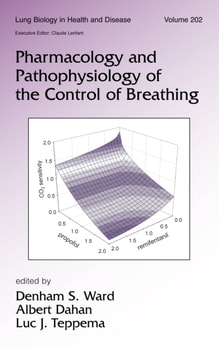
Exploring the functional anatomy and physiology of the ventilatory control system from the intracellular to the integrative level, this references serves as the first source to offer comprehensive coverage of the influences of various pharmacological agents on the control of breathing.
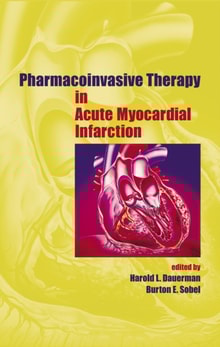
This reference collects the latest scientific evidence illustrating the increasing importance of pharmacoinvasive therapy in the treatment of ST elevation acute myocardial infarction-tracking the origins, evolution, and limitations of current treatment methods and highlighting new clinical trial data showcasing the potential of the combined treatment approach and controversial issues surrounding this emerging therapeutic modality.
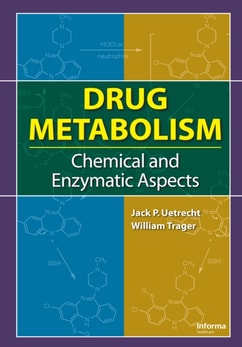
In order to understand drug metabolism at its most fundamental level, pharmaceutical scientists must be able to analyze drug compound structure and predict possible metabolic pathways in order to avoid the risk of adverse reactions that lead to the withdrawal of a drug from the market.
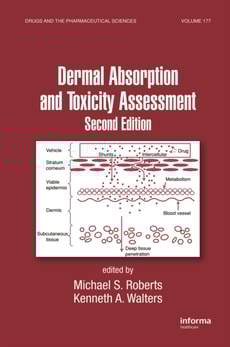
The source Dermal Absorption and Toxicity Assessment supplies a state-of-the-art overview of the dermal absorption process, and is divided into six well organized sections.
From the slippery covering on rocks in a stream, to the clogging slime in a bathtub drain, biofilms are present in everyday life in a variety of forms.
Providing detailed examples and valuable discussions of the development of specific methods, approaches, and legislation, this reference presents the latest information on the impact of toxicology on the regulatory process and illustrates the interrelationship between toxicology and the regulation of chemicals, pharmaceutical compounds, and food su
Now in its fifty-second year, this annually updated drug reference provides succinct information on the new drugs of this year and on medications in current use.
This is a concise, easy-to-read prescribing reference for advanced health care providers involved in the primary care management of patients with acute, episodic, and chronic health problems.
Providing an analysis of the benefits and limitations of every available drug, vaccine and immunotherapy used to control and prevent antiviral diseases, this unique and genuinely comprehensive text is unlike any other current reference of its kind.
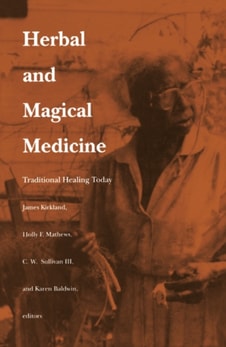
Herbal and Magical Medicine draws on perspectives from folklore, anthropology, psychology, medicine, and botany to describe the traditional medical beliefs and practices among Native, Anglo- and African Americans in eastern North Carolina and Virginia.
Reissued as a companion edition to Trying to Give Ease: Tommie Bass and the Story of Herbal Medicine, this illustrated reference guide covers over 700 medicinal plants, of which more than 150 are readily obtainable in health food stores and other outlets.
In the industrialized nations of the global North, well-funded agencies like the CDC attend to citizens' health, monitoring and treating for toxic poisons like lead.
With the improvements in formulation science and certain transdermal delivery technologies, the non-invasive mode of drug delivery is now ready to compete with traditional methods of oral and injectible routes of drug delivery.
Nutritional cosmetics is an emerging area of intense research and marketing and encompasses the concept that orally consumed dietary products can support healthier and more beautiful skin.
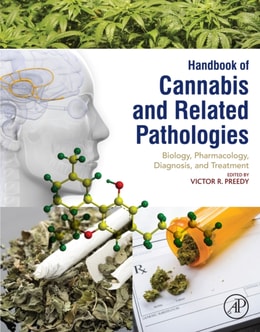
Handbook of Cannabis and Related Pathologies: Biology, Pharmacology, Diagnosis, and Treatment is the first book to take an interdisciplinary approach to the understanding of cannabis use and misuse.
Pharmacology meets the rapidly emerging needs of programs training pharmacologic scientists seeking careers in basic research and drug discovery rather than such applied fields as pharmacy and medicine.
This book covers the morphological characteristics, ethnopharmacological properties, isolated and identified structurally diverse secondary metabolites, biological and pharmacological activities of medicinal plants.
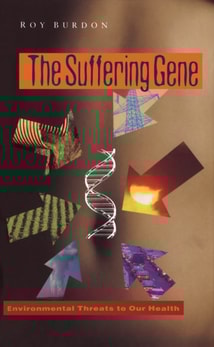
Roy Burdon discusses how our genes work, how they are adversely effected by a huge range of factors - toxic industrial and agricultural chemicals, excessive sunlight, nuclear radiation from power plants and the military, other forms of radiation, food contaminants, and atmospheric pollutants - and how they may be affected by genetic engineering.
Hayes' Principles and Methods of Toxicology has long been established as a reliable and informative reference for the concepts, methodologies, and assessments integral to toxicology.
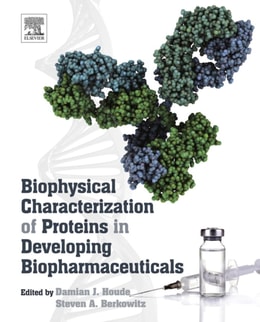
Biophysical Characterization of Proteins in Developing Biopharmaceuticals is concerned with the analysis and characterization of the higher-order structure (HOS) or conformation of protein based drugs.
This book highlights the potential applications of microbots for minimally invasive diagnosis of colorectal cancer (CRC), enhancing the accuracy of colonoscopy and improving drug delivery for more precise and effective treatments.
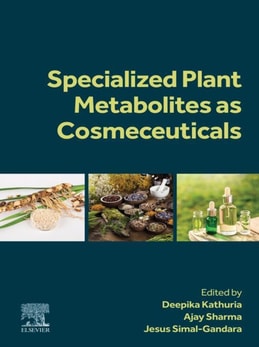
Specialized Plant Metabolites as Cosmeceuticals presents a comprehensive guide to traditional medicinal plants that are used in the field of cosmetics.
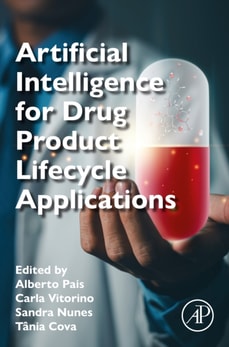
Artificial Intelligence for Drug Product Lifecycle Applications explains the use of artificial intelligence (AI) in drug discovery and development paths, including the clinical and postapproval phases.