Progress in molecular and cellular biology has greatly enhanced our ability to accurately diagnose diseases that are caused by gene mutations, changes in genome structures, and altered gene expression; increased emphasis is now placed on translational research and the clinical treatment of these genetically determined diseases.
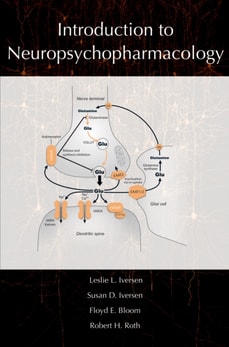
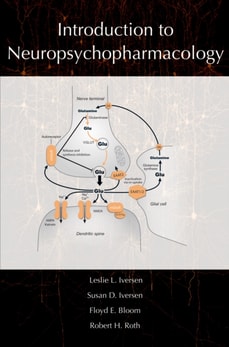
Introduction to Neuropsychopharmacology expands on the molecular and cellular foundations of the classic Biochemical Basis of Neuropharmacology, Eighth Edition (Cooper, Bloom, and Roth) by now including the behavioral methods used to study psychoactive drugs in experimental animals and in humans.
One of the cornerstones of traditional Chinese medicine (TCM), herbal medicine has evolved over centuries of clinical practice and empirical results into a vast body of knowledge encompassing more than 6,000 substances, most of whose effects and uses have been documented and researched.
This is the first book about both normal development of the nervous system and how early exposure to alcohol and nicotine interferes with this development.
This classic text gives a uniquely lucid and lively view of neurotransmitters, their role in nervous system function, and their involvement in the mechanisms of psychiatric drug action.
In the decade from 1935-1945, while the Second World War raged in Europe, a new class of medicines capable of controlling bacterial infections launched a therapeutic revolution that continues today.
This comprehensive text on the pharmacological, medical, and legal aspects of drug abuse has been thoroughly updated for the Fourth Edition, and a new chapter on club drugs added.
Radiological Risk Assessment and Environmental Analysis comprehensively explains methods used for estimating risk to people exposed to radioactive materials released to the environment by nuclear facilities or in an emergency such as a nuclear terrorist event.
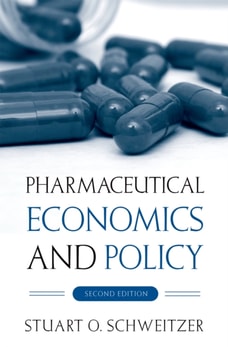
The pharmaceutical industry is praised as a world leader in high technology innovation and the creator of products that increase both longevity and quality of life for people throughout the world.
This edited volume collects population and metapopulation models for a wide variety of species, focusing on the use of models in population-level risk assessment for toxins.
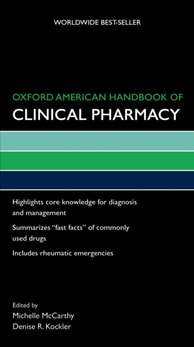
Written by leading American practitioners, the Oxford American Handbooks of Medicine each offer a pocket-sized overview of an entire specialty, featuring instant access to guidance on the conditions that are most likely to be encountered.
Introduction to Neuropsychopharmacology expands on the molecular and cellular foundations of the classic Biochemical Basis of Neuropharmacology, Eighth Edition (Cooper, Bloom, and Roth) by now including the behavioral methods used to study psychoactive drugs in experimental animals and in humans.
Collective knowledge of the origins and pharmacology of pain are evolving rapidly, providing increased hope for better pain management and a far greater quality of life for patients worldwide.
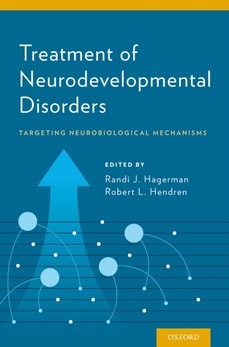
This cutting-edge book brings advances in genetics, neurobiology, and psychopharmacology to the clinic to enhance treatment for neurodevelopmental disorders.
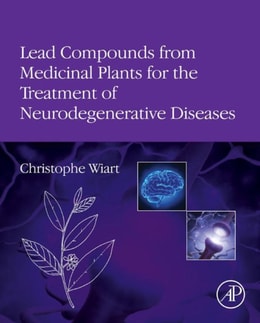
Lead Compounds from Medicinal Plants for the Treatment of Neurodegenerative Diseases is the second volume in the series, Pharmaceutical Leads from Medicinal Plants.
Understanding Antiepileptic Drugs enhances patient knowledge and to acts as a facilitator to fill a significant gap in patient-physician communication in the field of epilepsy.
Understanding Antiepileptic Drugs enhances patient knowledge and to acts as a facilitator to fill a significant gap in patient-physician communication in the field of epilepsy.
Living systems exhibit a fundamental contradiction: they are highly stable and reliable, yet they have the capacity to adapt to changing environmental conditions.
Living systems exhibit a fundamental contradiction: they are highly stable and reliable, yet they have the capacity to adapt to changing environmental conditions.
One of the cornerstones of traditional Chinese medicine (TCM), herbal medicine has evolved over centuries of clinical practice and empirical results into a vast body of knowledge encompassing more than 6,000 substances, most of whose effects and uses have been documented and researched.
Fully updated and rewritten by a basic scientist who is also a practicing physician, the third edition of this popular textbook remains comprehensive, authoritative and readable.