Profiles of Drug Substances, Excipients, and Related Methodology, Volume 44, presents comprehensive reviews of drug substances and additional materials, with critical review chapters that summarize information related to the characterization of drug substances and excipients.
Natural Polysaccharides in Drug Delivery and Biomedical Applications provides a fundamental overview of natural polysaccharides, their sources, extraction methodologies, and characterizations.
Underexplored Medicinal Plants from Sub-Saharan Africa: Plants with Therapeutic Potential for Human Health examines a comprehensive selection of rarely explored plants that have been underestimated for their therapeutic value.
Medicinal Plants in Asia and Pacific for Parasitic Infections: Botany, Ethnopharmacology, Molecular Basis, and Future Prospect offers an in-depth view into antiprotozoal pharmacology of natural products from medicinal plants in Asia with an emphasis on their molecular basis, cellular pathways, and cellular targets.
Nanomaterials for Drug Delivery and Therapy presents recent advances in the field of nanobiomaterials and their important applications in drug delivery, therapy and engineering.
Nanoparticles in Pharmacotherapy explores the most recent findings on how nanoparticles are used in pharmacotherapy, starting with their synthesis, characterization and current or potential uses.
This book is a unique overview of insights on the genetic basis of anti-diabetic activity, chemistry, physiology, biotechnology, mode-of-action, as well as cellular mechanisms of anti-diabetic secondary metabolites from medicinal plants.
Tilapia Culture, Second Edition, covers the vital issues of farmed tilapia in the world, including their biology, environmental requirements, semi-intensive culture, intensive culture systems, nutrition and feeding, reproduction, seed production and larval rearing, stress and disease, harvesting, economics, trade, marketing, the role of tilapia culture in rural development and poverty eradication, and technological innovations in, and the environmental impacts of, tilapia culture.
Neuropsychotherapeutics, Volume 86, the newest volume in the Advances in Pharmacology series, presents a variety of chapters from the best authors in the field, with this updated edition including sections on Pharmacotherapy of psychiatric disorders, Allosteric mechanisms for neuropsychopharmacology, Lipid rafts, Rapid-acting antidepressants, mGlu2/3 receptor antagonists, Nitric oxide: antidepressant mechanisms and inflammation, Anxiety disorders, mGlu receptors and schizophrenia, mAChR ligands for schizophrenia and addiction, PDE10 inhibitors, Obsessive-compulsive disorder, Addiction disorders (including eating), Dopamine D1 PAMs as a New Mode for Treatment of Neuropsychiatric Disorders, and more.
Very few therapeutic agents in clinical medicine have found indication for so many clinical conditions, and in such a short time as did botulinum neurotoxins (Botox and others).
Biomedical Applications of Nanoparticles describes the most interesting and investigated biomedical applications of nanoparticles, emphasizing their therapeutic impact.
Pharmacoepidemiology and Pharmacovigilance: Synergistic Tools to Better Investigate Drug Safety examines the role of pharmacoepidemiologic studies in drug development and its use as a prevention tool in pharmacovigilance activities.
NETosis: Immunity, Pathogenesis and Therapeutics takes a focused approach to the clinical aspects of NETosis and drug development, bringing critical findings.
New Developments for Nanosensors in Pharmaceutical Analysis presents an overview of developments in nanosensor usage in pharmaceutical analysis, thereby helping pharmaceutical companies attain reliable, precise, and accurate analysis of pharmaceuticals.
In Silico Drug Design: Repurposing Techniques and Methodologies explores the application of computational tools that can be utilized for this approach.
Toxicology Cases for the Clinical and Forensic Laboratory brings together carefully selected case studies to teach important principles relating to drug and toxin exposures.
Nanotechnology-based Targeted Drug Delivery Systems for Lung Cancer is an indispensable resource that will help pharmaceutical scientists and clinical researchers design and develop novel drug delivery systems and devices for the treatment of lung cancer.
New Look to Phytomedicine: Advancements in Herbal Products as Novel Drug Leads is a compilation of in-depth information on the phytopharmaceuticals used in modern medicine for the cure and management of difficult-to-treat and challenging diseases.
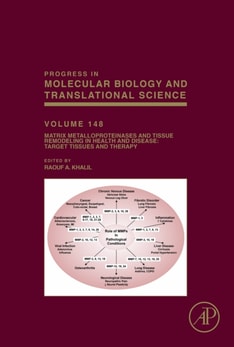
Matrix Metalloproteinases and Tissue Remodeling in Health and Disease: Target Tissues and Therapy, Volume, Volume 148, the latest volume in the Progress in Molecular Biology and Translational Science series covers a variety of timely topics, with chapters focusing on The Role of Matrix Metalloproteinases in Development, Repair, and Destruction of the Lungs, Matrix Metalloproteinases in Kidney Disease: Role in Pathogenesis and Potential as a Therapeutic Target, Regulation of Matrix Metalloproteinase in the Pathogenesis of Diabetic Retinopathy, Matrix Metalloproteinases in Normal Pregnancy and Preeclampsia, and Matrix Metalloproteinases, Neural Extracellular Matrix, and Central Nervous System Pathology.
A single trial is complex, with numerous regulations, administrative processes, medical procedures, deadlines and specific protocol instructions to follow.
Detection of Drugs and Their Metabolites in Oral Fluid presents the analytical chemistry methods used for the detection and quantification of drugs and their metabolites in human oral fluid.
The Nature and Use of Ecotoxicological Evidence: Natural Science, Statistics, Psychology, and Sociology examines how toxicologists and environmental professionals come to understand and make decisions about possible harm from pollutants.
History of Risk Assessment in Toxicology guides the reader through the historical narrative of the evolution of risk assessment thinking in human and environmental practices.
Translational Immunology: Mechanisms and Pharmacologic Approaches highlights and summarizes the most important advances in human immunology, clinical translations, new tools to analyze therapeutic targets, and new pharmacological approaches for autoimmunity, inflammatory disorders, and cancer.
Introduction to Biological and Small Molecule Drug Research and Development provides, for the first time, an introduction to the science behind successful pharmaceutical research and development programs.
Loomis's Essentials of Toxicology, Fifth Edition, provides the information on the harmful biologic effects associated with exposures to chemicals of all types.
The third edition of this innovative work again provides a unique perspective on the clinical discovery process by providing input from experts within the NIH on the principles and practice of clinical research.
Pharmacogenomics: Challenges and Opportunities in Therapeutic Implementation includes discussions and viewpoints from the academic, regulatory, pharmaceutical, clinical, socio-ethical and economic perspectives.
Handbook of Pharmacogenomics and Stratified Medicine is a comprehensive resource to understand this rapidly advancing field aiming to deliver the right drug at the right dose to the right patient at the right time.
Clinical Perspectives and Targeted Therapies in Apoptosis: Drug Discovery, Drug Delivery, and Disease Prevention provides comprehensive coverage, from basic cell biology, to modern assessment techniques for apoptosis in all major disease areas.
This book introduces "e;network pharmacology"e; as an emerging frontier subject of systematic drug research in the era of artificial intelligence and big data.
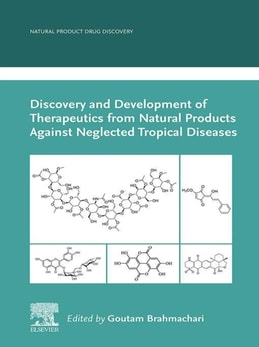
Discovery and Development of Therapeutics from Natural Products against Neglected Tropical Diseases draws together research on medicinal agents from natural sources as starting points for the design of drugs against Neglected Tropical Diseases (NTDs).
This book highlights the medical importance of and increasing global interest in herbal medicines, herbal health products, herbal pharmaceuticals, nutraceuticals, food supplements, herbal cosmetics, etc.
Opioid analgesics are among the most effective medications for pain management but are associated with serious and increasing public health problems, including abuse, addiction, and death from overdose.
Isocoumarin, Thiaisocoumarin and Phosphaisocoumarin: Natural Occurrences, Synthetic Approaches and Pharmaceutical Applications gives an overview of the various aspects of this class of heterocycle, with a major focus on synthesis and biological activity.
Microbial Forensics, Third Edition, serves as a complete reference on the discipline, describing the advances, challenges and opportunities that are integral in applying science to help solve future biocrimes.
Postmortem Toxicology addresses the various aspects of the practice of forensic postmortem toxicology from a viewpoint of elements which must be taken into consideration for proper interpretation of the toxicological result, not in a vacuum but in a more holistic and global sense.
Neglected Diseases: Extensive Space for Modern Drug Discovery provides in-depth reviews on the last progresses about neglected tropical diseases research.
Profiles of Drug Substances, Excipients, and Related Methodology, Volume 43 presents comprehensive reviews of drug substances and additional materials, with critical review chapters that summarize information related to the characterization of drug substances and excipients.
Biocontamination Control for Pharmaceuticals and Healthcare outlines a biocontamination strategy that tracks bio-burden control and reduction at each transition in classified areas of a facility.