The ultimate source of information on the design of new anticancer agents, emphasizing small molecules, this newest work covers recent notable successes resulting from the human genome and cancer genomics projects.
This new, and heavily revised, edition of Psychopharmacology, provides a comprehensive scientific study of the effects of drugs on the mind and behavior.
Managing the Drug Discovery Process, Second Edition thoroughly examines the current state of pharmaceutical research and development by providing experienced perspectives on biomedical research, drug hunting and innovation, including the requisite educational paths that enable students to chart a career path in this field.
The latest edition is the resource for any practicing OB/GYN, family physician, midwife, or pharmacist who prescribes medicinal products to or evaluates environmental or occupational exposures in women who are or may become pregnant.
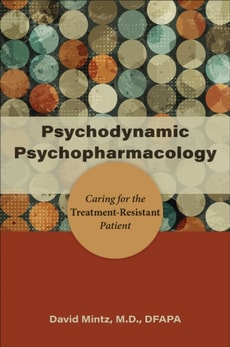
The troubling increase in treatment resistance in psychiatry has many culprits: the rise of biomedical psychiatry and corresponding sidelining of psychodynamic and psychosocial factors; the increased emphasis on treating the symptoms rather than the person; and a greater focus on the electronic medical record rather than the patient, all of which point to a breakdown in the person-centered prescriber-patient relationship.
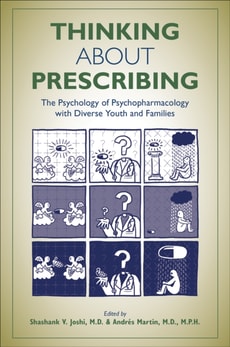
Our remedies are only as good as the way in which we dispense themThat's the central premise of Thinking About Prescribing, a new volume that encourages pharmacotherapists to view the prescribing of a psychiatric medication to young patients not simply as part of a clinical visit, but rather as the beginning of an ongoing alliance with youth and their parents or legal guardians.
Rapid advances in computer science, biology, chemistry, and other disciplines are enabling powerful new computational tools and models for toxicology and pharmacology.
Vaso-occlusive disorders including unstable angina, myocardial infarction, transient ischemic attacks, stroke and peripheral artery disease remain the major sources of morbidity and mortality in western civilization.
This volume of Pharmacochemistry Library comprises the text of invited lectures presented at the 11th Noordwijkerhout-Camerino Symposium Trends in Drug Research, held in Noordwijkerhout, The Netherlands, from 11-15 May 1997.
The tradition of setting new trends in medicinal chemistry continued at the 13th Symposium where topics included chemical and biological diversity, new paradigms in drug action, and new insights in receptor mechanisms.
This text/reference book provides the most comprehensive coverage of anticholinesterase compounds (Organophosphates and Carbamates), which constitute the largest number of chemicals that are primarily used as insecticides in agriculture, industry, and around the home/garden.
Regularly reviewing the "e;state-of-the-art"e; developments in the antiviral drug research field, this latest volume spans the conceptual design and chemical synthesis of new antiviral compounds.
Based on topics presented at the Annual Japanese (Quantitative) Structure-Activity Relationship Symposium and the Biennial China-Japan Drug Design and Development conference, the topics in this volume cover almost every procedure and subdiscipline in the SAR discipline.
This book is an an up-to-date survey and summary of present knowledge and future expectations regarding the environmental causes of congenital malformations in human beings, beginning with the earliest discoveries of the 20th century up to the latest ideas and problems at its end, presents views and comments on the progress made over the century in understanding human prenatal maldevelopment.
Rapid advances in computer science, biology, chemistry, and other disciplines are enabling powerful new computational tools and models for toxicology and pharmacology.
Receptor Chemistry Towards the Third Millennium is the result of papers presented at the 12th Camerino-Noordwijkerhout Symposium, held in Camerino, Italy in September 1999.
Neurotoxicology: Approaches and Methods provides a unique and comprehensive presentation of the current concepts and state-of-the-art methods for the assessment of neurotoxicity.
Rheumatoid arthritis is a bewilderingly complex disease involving the interactions of many, and varied, cell populations and multiple families of low and high molecular mass mediators.
Macrolide Antibiotics: Chemistry, Biochemistry, and Practice, Second Edition explores the discovery of new macrolide antibiotics, their function, and their clinical use in diseases such as cancer, AIDS, cystic fibrosis and pneumonia.
Loomis's Essentials of Toxicology is an introductory text on the science of harmful biologic effects associated with exposures to chemicals of all types.
In Vitro Methods in Pharmaceutical Research provides a comprehensive guide to laboratory techniques for evaluating in vitro organ toxicity using cellular models.
Living cells are constantly sensing environmental changes, and their abilities to sense these changes and adapt to them are essential for their survival.
In the early eighties when the H3 receptor was identified, many thought that an H3 ligand, an agonist or an antagonist, would become available as a therapeutic agent.
The only comprehensive work to cover all aspects of diuretic agents, the book discusses the pharmacology and toxicology of diuretic agents as well as the physiological effects.
Bioremediation of Environmental Toxicants: Toxicants, Sources, Mechanism, Impact on Human Health, and Bioremediation Approaches provides insight into the nature of environmental toxicants, the impact on human health, and their bioremediation approaches, viz.
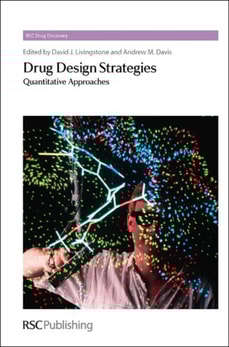
This book brings together drug design practitioners, all leaders in their field, who are actively advancing the field of quantitative methods to guide drug discovery, from structure-based design to empirical statistical models - from rule-based approaches to toxicology to the fields of bioinformatics and systems biology.
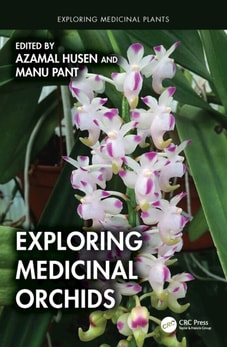
Orchids are fascinating ornamental flowers with a huge market both as cut flowers and potted plants, but they are also used in the traditional medicine system as they can be rich in phytochemicals with exceptional medicinal properties.
Volume 27, the first thematic volume in the Series, provides an overview of present knowledge with regard to the pharmacological and clinical aspects of antidiabetic drugs.