Veterinary Toxicology, 2nd edition is a unique single reference that teaches the basic principles of veterinary toxicology and builds upon these principles to offer an essential clinical resource for those practicing in the field.
The COVID-19 pandemic has altered the world and reiterated the perpetual need for the development of effective strategies for the prevention and treatment of infectious diseases.
In this book, a summary and update of the most important areas of cell-penetrating peptides (CPP) research are presented, while raising relevant questions for further development.
Suitable for both students and practicing pharmacists, the latest edition of this classic textbook provides comprehensive coverage of an essential component of the U.
Derived from the definitive guide to medical toxicology, this hands-on companion provides accurate information for diagnosing and treating poisoned patients on the spotA Doody's Core Title for 2024!
This state-of-the-art text describes the science behind the system and drug-dependent components of PBPK models, its applications in translational and regulatory science, e.
An Introduction to Ethical, Safety and Intellectual Property Rights Issues in Biotechnology provides a comprehensive look at the biggest technologies that have revolutionized biology since the early 20th century, also discussing their impact on society.
The genus Cordyceps and allied species, such as entomopathogenic fungi, mainly parasitize insects and other arthropods and have been known since ancient times.
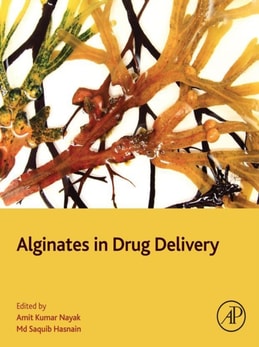
Alginates in Drug Delivery explores the vital precepts, basic and fundamental aspects of alginates in pharmaceutical sciences, biopharmacology, and in the biotechnology industry.
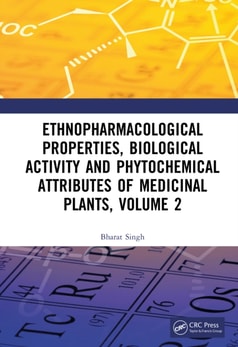
This book covers the morphological characteristics, ethnopharmacological properties, isolated and identified structurally diverse secondary metabolites, biological and pharmacological activities of medicinal plants.
Medical Affairs is one of the three strategic pillars of the pharmaceutical and MedTech industries, but while clear career paths exist for Commercial and Research and Development, there is no formal training structure for Medical Affairs professionals.
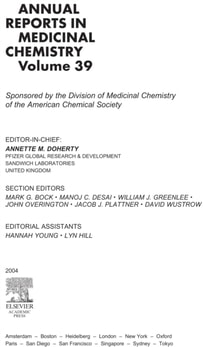
Annual Reports in Medicinal Chemistry continues to focus on providing timely and critical reviews of important topics in medicinal chemistry together with an emphasis on emerging topics in the biological sciences, which are expected to provide the basis for entirely new future therapies.
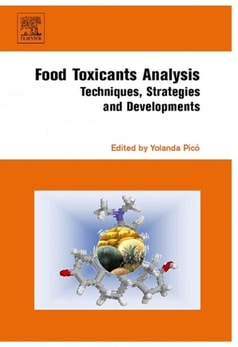
Food Toxicants Analysis covers different aspects from the field of analytical food toxicology including emerging analytical techniques and applications to detect food allergens, genetically modified organisms, and novel ingredients (including those of functional foods).
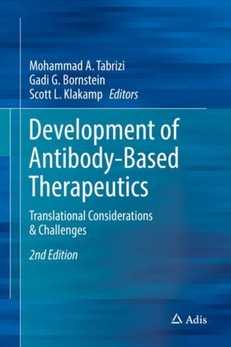
With a key focus on recent developments and advances in the field, this book provides in-depth coverage of topics fundamental to the development of targeted therapeutics.
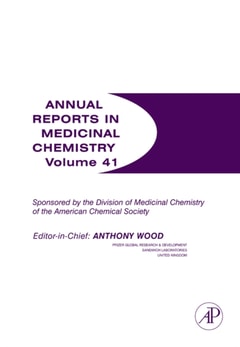
Annual Reports in Medicinal Chemistry provides timely and critical reviews of important topics in medicinal chemistry together with an emphasis on emerging topics in the biological sciences, which are expected to provide the basis for entirely new future therapies.
Quantum Chemistry Methods for Oncological Drugs provides a comprehensive reference text for student, researchers, and academic staff across disciplines working in the field of Nanobiotechnology, who need to grasp the unique inter-relationship of the physical, chemical, and biological properties of oncological drugs and their interactions.
Quantum Chemistry Methods for Oncological Drugs provides a comprehensive reference text for student, researchers, and academic staff across disciplines working in the field of Nanobiotechnology, who need to grasp the unique inter-relationship of the physical, chemical, and biological properties of oncological drugs and their interactions.
Concepts and Models for Drug Permeability Studies: Cell and Tissue Based in Vitro Culture Models, Second Edition, summarizes the most important developments in in vitro models for predicting the permeability of drugs.
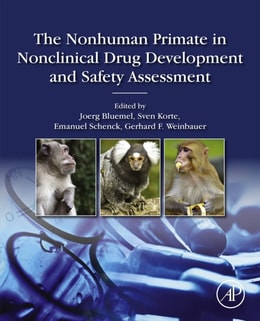
The Nonhuman Primate in Drug Development and Safety Assessment is a valuable reference dedicated to compiling the latest research on nonhuman primate models in nonclinical safety assessment, regulatory toxicity testing and translational science.
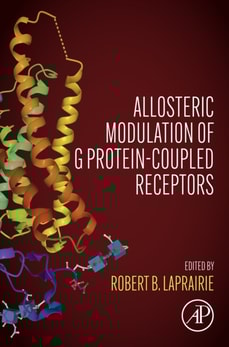
Allosteric Modulation of G Protein-Coupled Receptors reviews fundamental information on G protein-coupled receptors (GPCRs) and allosteric modulation, presenting original research in the area and collectively providing a comprehensive description of key issues in GPCR allosteric modulation.
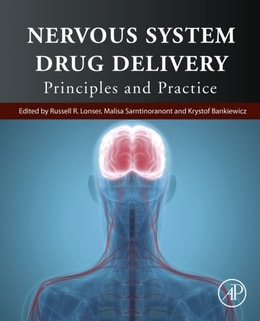
Nervous System Drug Delivery: Principles and Practice helps users understand the nervous system physiology affecting drug delivery, the principles that underlie various drug delivery methods, and the appropriate application of drug delivery methods for drug- and disease-specific treatments.
The perceived lack of drug discovery productivity in recent times has led to much debate in the pharmaceutical/biotechnology industry as escalating R&D costs are not being matched by increased output.
Introducing Smart Nanocarrier for Effective Drug Delivery-a pioneering guide that delves into the realm of nanotechnology and its revolutionary impact on drug delivery systems.
This reference book provides a comprehensive overview of models and therapeutic approaches against neurodegenerative diseases, including Parkinson's disease, Alzheimer's disease, Huntington's disease, and amyotrophic lateral sclerosis.
Annual Reports in Medicinal Chemistry provides timely and critical reviews of important topics in medicinal chemistry together with an emphasis on emerging topics in the biological sciences, which are expected to provide the basis for entirely new future therapies.
Development in Wastewater Treatment Research and Processes: Innovative Trends in Removal of Refractory Pollutants from Pharmaceutical Waste Water sorts out emerging and burning issues faced by the pharmaceutical industry, along with common effluent treatment plans.
Surface activity is present in living systems; for example in body fluid or cell soup and molecules of surface-active nature are crucial to living matter and its organization.