Whilst following in the footsteps of previous volumes by presenting comprehensive reviews of drug substances and additional materials, this title also heralds a significant expansion of the scope of the series.
The fourth volume of Advances in Antiviral Drug Design is keeping up with the recent progress made in the broad field of antiviral drug research and encompasses six specific directions that have opened new avenues for the treatment of HIV and other virus infections.
Hot Spot Pollutants describes how pharmaceuticals and/or endocrine active compounds gain entry into the aquatic ecosystem, effects on specific organisms and the potential risk involved for the whole ecosystem.
The Mechanics of Inhaled Pharmaceutical Aerosols, An Introduction provides a unique and comprehensive treatment of the mechanics of inhaled pharmaceutical aerosols.
This volume features accounts of the biological rationale, design and clinical potential of drug molecules; summaries of structure-activity relationships in topical areas of medicinal chemistry and extensive references to the biology, medicinal chemistry and clinical aspects of each topic.
This volume covers contemporary advances in five important areas of pharmacology and medicinal chemistry including: a comprehensive account of inhibitors of the caspase family of proteolytic enzymes that represent a new class of anti-inflammatory and antiapoptotic agents of potential value in rheumatoid arthritis, and other peripheral and central indications; adoc umented survey of semi-synthetic and totally synthetic antibiotics and anti HIV agents and their sites of interaction; inhibitors of the intracellular enzyme acyl-CoA: cholesterol O-acyltransferase (ACAT) developed for the treatment of hypercholesterolemia; and recent progress in growth hormone secretagogues, with the focus on strategies to improve oral bioavailability and duration of action.
Los ensayos de toxicidad son pruebas diseñadas para evaluar la potencia relativa de un agente o una sustancia contaminante sobre una o más especies de organismos de los sistemas biológicos acuáticos y terrestres, al tiempo que permiten caracterizar la relación concentración-respuesta entre el agente contaminante y el organismo sometido a prueba.
Drug-Facilitated Sexual Assault educates readers on the ways in which drugs are used as weapons in committing sexual assaults and how to successfully investigate these crimes.
The critically acclaimed laboratory standard for more than forty years, Methods in Enzymology is one of the most highly respected publications in the field of biochemistry.
Small GTPases play a key role in many aspects of contemporary cell biology: control of cell growth and differentiation; regulation of cell adhesion and cell movement; the organization of the actin cytoskeleton; and the regulation of intracellular vesicular transport.
Established in 1960, Advances in Heterocyclic Chemistry is the definitive serial in the area-one of great importance to organic chemists, polymer chemists, and many biological scientists.
The dictionary will contain terms covering the following fields and subfields: Vitamin Technology: Vitamin biochemistry / Physiology; Origin of vitamins: natural, synthetic; Fat-soluble vitamins; Water-soluble vitamins; Vitamins as antioxidants; Vitamin deficiencies / Hypervitaminosis - Enzymes/Proteins: Biotechnology as applied biological science aimed at industrial exploitation - Hormones: Biochemistry; Physiology - Pharmaceutical Chemistry / Pharmaceutical Technology / Pharmaceutical Processes: Conception of the active principles; Structural analysis; Antibiotics and their way of action; Biochemistry; The Drug / The Medicament: Definition, origin, way of action; Biochemistry - Medical Aspects in the languages English, German, French and Portuguese.
Veterinary Toxicology, 2nd edition is a unique single reference that teaches the basic principles of veterinary toxicology and builds upon these principles to offer an essential clinical resource for those practicing in the field.
Suitable for both students and practicing pharmacists, the latest edition of this classic textbook provides comprehensive coverage of an essential component of the U.
Annual Reports in Medicinal Chemistry continues to focus on providing timely and critical reviews of important topics in medicinal chemistry together with an emphasis on emerging topics in the biological sciences, which are expected to provide the basis for entirely new future therapies.
Food Toxicants Analysis covers different aspects from the field of analytical food toxicology including emerging analytical techniques and applications to detect food allergens, genetically modified organisms, and novel ingredients (including those of functional foods).
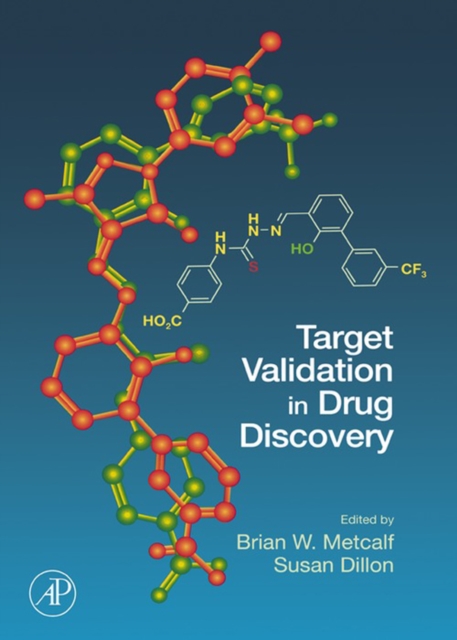
The perceived lack of drug discovery productivity in recent times has led to much debate in the pharmaceutical/biotechnology industry as escalating R&D costs are not being matched by increased output.
Annual Reports in Medicinal Chemistry provides timely and critical reviews of important topics in medicinal chemistry together with an emphasis on emerging topics in the biological sciences, which are expected to provide the basis for entirely new future therapies.
Surface activity is present in living systems; for example in body fluid or cell soup and molecules of surface-active nature are crucial to living matter and its organization.
High pressure liquid chromatography-frequently called high performance liquid chromatography (HPLC or, LC) is the premier analytical technique in pharmaceutical analysis and is predominantly used in the pharmaceutical industry.
During the 1990's, scientific advances in understanding the mechanisms and pathophysiology of acute central nervous system injury were offset by a history of disappointing results from Phase III clinical trials of novel neuroprotective drugs.