This book is a valuable reference that discusses green technologies, like enzyme technologies, to meet the ever-growing demand of nutraceuticals and functional foods.
Tilapia Culture, Second Edition, covers the vital issues of farmed tilapia in the world, including their biology, environmental requirements, semi-intensive culture, intensive culture systems, nutrition and feeding, reproduction, seed production and larval rearing, stress and disease, harvesting, economics, trade, marketing, the role of tilapia culture in rural development and poverty eradication, and technological innovations in, and the environmental impacts of, tilapia culture.
The most current, hands-on book in the field, Applied Clinical Pharmacokinetics The perfect textbook for pharmacy students learning the clinical application of pharmacokinetics, which is the mathematical tools for modifying doages.
More than 300 high-yield flashcards cover must-know information for the EMT certification examMcGraw-Hill's EMT Flashcards offer a succint, comprehensive, and easy-to-carry review of the essential concepts students need to remember for their certification exam.
A STEP-BY-STEP GUIDE TO IMPLEMENTING ADVANCED PHARMACY SERVICES IN COMMUNITY AND CLINIC SETTINGSCommunity and Clinical Pharmacy Services teaches pharmacy students and practicing pharmacists how to provide advanced levels of pharmacy services in community and clinic settings designed to help patients achieve specific health goals and treat common disease states.
Physico-Chemical Aspects of Dosage Forms and Biopharmaceutics: Recent and Future Trends in Pharmaceutics, Volume Two explores aspects of pharmaceutics with an original approach that focuses on technology, novelties and future trends.
Clinical Trials and Tribulations evaluates the multiple layers of complexities around research management, also exploring current practices, challenges and future directions.
G Protein-Coupled Receptor Genetics: Research and Methods in the Post-Genomic Era features practical techniques inspired by the fast moving GPCR field.
This volume features a comprehensive set of protocols featuring a range of both old and new technologies that can be used to analyze drugs of abuse, including prescription drugs, new psychoactive substances and psychoactive plants.
This fully updated volume utilizes the expertise of scientists currently engaged in immunotoxicity testing to provide the reader with lab-ready procedures and the background information needed to identify effective testing approaches.
This volume collects a variety of techniques and methodologies developed to facilitate research on integrin biology and to identify ideal targets and approaches for the treatment of multiple organ diseases, with a focus on cancer in particular.
This practical collection examines methodologies originating from the benefits of genome-wide approaches to studying epigenetics, which has opened the emerging field of epigenomics.
This thorough volume delves into antiepileptic drug discovery with a comprehensive collection of innovative approaches for the development of antiepileptic therapies, focusing on novel molecular targets for antiepileptic drugs, computer-aided approaches for the identification of new drug candidates, and therapeutic strategies to overcome refractory epilepsy.
Medicines for Cancer: Mechanism of Action and Clinical Pharmacology of Chemo, Hormonal, Targeted, and Immunotherapies covers most known anti-cancer therapeutics.
This volume covers several aspects of rational drug design, such as synthesis of novel bioactive drugs; development and application of new methodologies; computational methods valuable for the establishment of new approaches in drug discovery; and the effects of physical-chemical and ADMET properties of the designed potential drugs.
This volume provides a concise and technical discussion of recently developed approaches to overcome challenges, such as pharmacodynamics and pharmacokinetics difficulties, in miRNA drug discovery.
**Selected for Doody's Core Titles(R) 2024 in Immunology**Introductory Immunology: Basic Concepts for Interdisciplinary Applications, 3rd Edition, is a completely updated, revised, and expanded concise, conceptual approach to understanding the immune systems as a primary defense to maintain health and homeostasis.
This detailed book arrives as there is an increasing need for multiplex biomarker readouts for improved clinical management and to support the development of new drugs by pharmaceutical companies, due to continuous technical developments and new insights into the high complexity of many diseases.
This book focuses on recently developed High Throughput Screening (HTS) assay protocols, many involved in the ToxCast and/or Tox21 initiatives, and the relevant HTS data analysis techniques.
Drug delivery systems and pharmaceutical nanocarriers that respond to different types of stimuli, such as internal ones, intrinsic for the pathological area (changes in pH, temperature, redox condition, activity of certain enzymes), or external, artificially applied (magnetic field, ultrasound, various irradiations), represent an important and continuously growing area of research.
This book is a neurochemistry-based companion for Protein Misfolding and Neurodegenerative Diseases: Molecular Targets, an Elsevier title by the same author publishing in December 2014.
Green Sustainable Process for Chemical and Environmental Engineering and Science: Recent Advances in Nanocarriers covers nanocarrier synthesis techniques, as well as methods for encapsulating bioactive compounds.
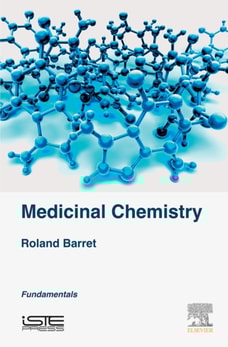
Medicinal Chemistry: Fundaments presents the cycle of the life of drugs, their physico-chemical properties, and consequences that arise in development.
Chemical Reactivity in Quantum Mechanics and Information Theory introduces a thermodynamic-like description of molecular systems and provides an objective treatment of their fragments.
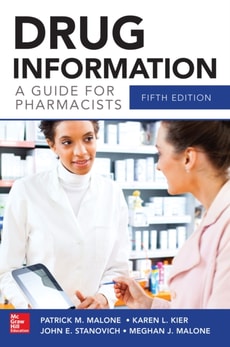
The classic guide to information management for pharmacists--updated to reflect the realities of today's practiceThe goal of Drug Information: A Guide for Pharmacists is to teach students and practitioners how to effectively research, interpret, evaluate, collate, and disseminate drug information in the most efficient and effective manner possible.
Haschek and Rousseaux's Handbook of Toxicologic Pathology, recognized by many as the most authoritative single source of information in the field of toxicologic pathology, has been extensively updated to continue its comprehensive and timely coverage.
Molecular Docking for Computer-Aided Drug Design: Fundamentals, Techniques, Resources and Applications offers in-depth coverage on the use of molecular docking for drug design.
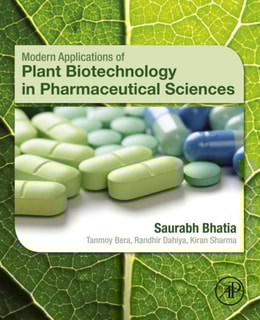
Modern Applications of Plant Biotechnology in Pharmaceutical Sciences explores advanced techniques in plant biotechnology, their applications to pharmaceutical sciences, and how these methods can lead to more effective, safe, and affordable drugs.
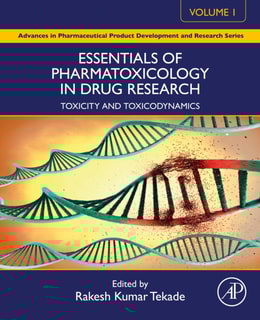
Toxicity and Toxicodynamics, Volume One in the Essentials of Pharmatoxicology in Drug Research series provides an overview on the essentials of toxicology, risk assessment and the mechanisms.
The Design and Development of Novel Drugs and Vaccines: Principles and Protocols presents both in silico methods and experimental protocols for vaccine and drug design and development, critically reviewing the most current research and emphasizing approaches and technologies that accelerate and lower the cost of product development.
A roadmap for easily navigating through the complexities of Chinese herbal medicine, Chinese Herbal Medicine: Modern Applications of Traditional Formulas presents information about herbal formulas in a practical and easy-to-access format.
This book introduces readers to intestinal and epidermal barriers, and to toxicity induction of environmental toxicants or stresses in the intestine, epidermis, neurons, muscle, and reproductive organs in Caenorhabditis elegans.
THE LATEST THERAPEUTIC TREATMENT OPTIONS IN INTERNAL MEDICINE--AT YOUR FINGERTIPSThis peer-reviewed guide highlights important therapeutic treatment options for the most common diseases managed by clinicians practicing internal medicine.
Natural Polysaccharides in Drug Delivery and Biomedical Applications provides a fundamental overview of natural polysaccharides, their sources, extraction methodologies, and characterizations.
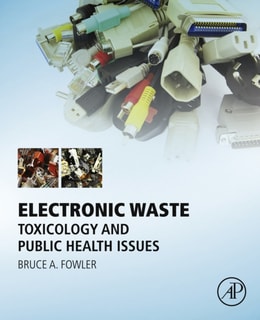
Electronic Waste: Toxicology and Public Health Issues discusses the major public health concerns due to the presence of toxic chemicals that are generated from improper recycling and disposal practices of electronic waste (e-waste).