Environmental Contaminants and Medicinal Plants Action on Female Reproduction discusses the problem of environmental pollution, medicinal and food plants, and their impact on reproduction.
Vaccines have made it possible to eradicate the scourge of smallpox, promise the same for polio, and have profoundly reduced the threat posed by other diseases such as whooping cough, measles, and meningitis.
This is the first book to examine how effectively American and supranational EU governments have regulated innovative pharmaceuticals during the last 30 years regarding public health.
Herbal medicines play a critical role in the prevention and treatment of cancer disorders, which are a foremost cause of human disease and death worldwide.
Clinical Manual of Addiction Psychopharmacology is a comprehensive guide to the pharmacology of drugs of abuse and the medications used to treat dependence on those substances.
Calcium is essential for health, but it actually works best with magnesium to build strong bones, maintain a healthy heart, improve mood, and reduce PMT.
Over the last decade, and particularly during the recent five years, a rapidly increasing number of novel psychoactive substance (NPSs), often marketed as "e;designer drugs"e;, "e;legal highs"e;, "e;herbal highs"e;, "e;research or intermediate chemicals"e; and "e;laboratory reagents"e;, has appeared on the drug market in an effort to bypass controlled substance legislation.
The book "e;Oxadiazole in Material and Medicinal Chemistry"e; is based on the utility of organic motifs that contain oxadiazole units in their molecular architecture.
This third edition provides new and updated chapters detailing a complete introduction to common and emerging procedures for characterizing the interactions of individual proteins with their natural ligands, drugs or other binding partners.
The detailed volume aims to provide a comprehensive hands-on manual covering all the techniques involved in the cellular and molecular identification and characterization of both normal hematopoietic and leukemic stem cells, both from human patients and from mouse models of human leukemia.
This detailed book explores techniques for further elucidating the peripheral and central roles of oxytocin as well as techniques key to oxytocin receptor-related drug discovery.
This detailed book highlights several emerging areas in the implementation of green chemistry in medicinal chemistry drug discovery with a specific focus on their application to the expeditious discovery of new biologically active entities.
This book provides a collection of microphysiological systems employed for chemical/drug screening and strategies to mimic various physiological conditions.
This detailed book aims to provide readers with critical information to accomplish the synthesis of nanosystems for the purpose of supramolecular entities complexing with drugs, targeted drug delivery system characterization, as well as the study of the physical-chemical interactions that govern the stability and properties of these systems.
This fully revised book includes new and improved protocols to analyze toxicity at the DNA, RNA, and protein levels using genomic, epigenomic, transcriptomic, and proteomic approaches.
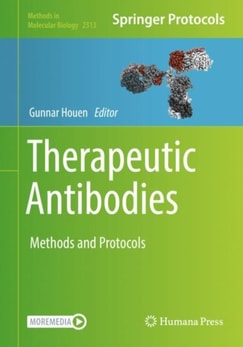
This detailed book covers methods for studying, producing, and analyzing therapeutic antibodies, measuring their concentration, developing neutralizing antibodies for them, and for predicting and monitoring their therapeutic efficacy and clinical effects.
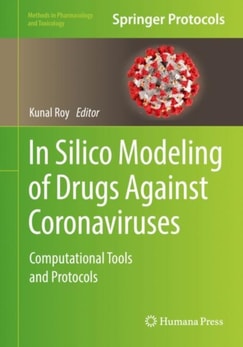
This essential volume explores a variety of tools and protocols of structure-based (homology modeling, molecular docking, molecular dynamics, protein-protein interaction network) and ligand-based (pharmacophore mapping, quantitative structure-activity relationships or QSARs) drug design for ranking and prioritization of candidate molecules in search of effective treatment strategy against coronaviruses.
This thorough book explores some of the most important methods and concepts affecting the quantitative analysis of the transport, targeting, and disposition of chemicals within cells, which in turn impact the macroscopic pharmacokinetics of chemical agents in the whole organism.
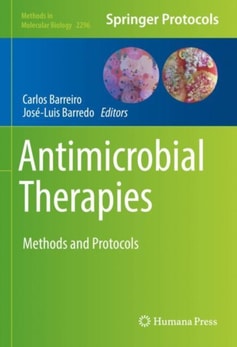
Antimicrobial resistance will become a global health threat since antimicrobial treatments continue at the forefront of the defense against microbial infections.
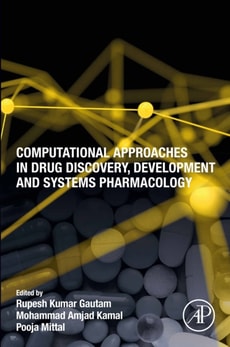
Computational Approaches in Drug Discovery, Development and Systems Pharmacology provides detailed information on the use of computers in advancing pharmacology.
This detailed book explores the fundamentals of myofibroblast biology in tissue repair, fibrosis, and tumors as well as providing cutting-edge laboratory methods used to investigate myofibroblast functions in physiological and pathological settings in vitro and in vivo, as written by leading academic scientists.
This collection explores detailed experimental protocols necessary for setting up a variety of in vitro cytochrome P450 (CYP) assays that are vital in selecting drug candidates in a drug discovery pipeline.
This volume explores the latest research in central nervous system (CNS) targeted nanocarriers, methods for their synthesis, and its characterization process.
This detailed book explores protocols with the aim of testing aerobic exercise, resistance training, special diets, additives and natural products, which have led to new insights into the physiological and molecular aspects of health and disease.
This detailed book explores protocols for a wide array of preclinical pharmacology and toxicology evaluations to be applied to chemical drugs and their development through in vitro, involving tissues and cell lines, and in vivo models, using animals as experimental systems, utilized to conduct pharmacological research.
This second edition volume expands on the previous edition by exploring the latest advancements in high throughput screening (HTS) in toxicity studies by using in vitro, ex vivo, and in vivo models.
This fully updated edition targets not only those assays directly involved in the discovery of GPCR-active compounds but also those involved in cell-based experiments designed to study physiological responses.
This volume focuses on computational modeling of the ecotoxicity of chemicals and presents applications of quantitative structure-activity relationship models (QSARs) in the predictive toxicology field in a regulatory context.
This thorough book explores some of the most important methods and concepts affecting the quantitative analysis of the transport, targeting, and disposition of chemicals within cells, which in turn impact the macroscopic pharmacokinetics of chemical agents in the whole organism.
Focused on the discovery of precise molecular targets for the development of the cancer preventive agents, Cancer Prevention: Dietary Factors and Pharmacology provides researchers and non-researchers with practical methodologies for developing and validating small molecule and phytochemical-derived drug discovery and mechanisms by which these compounds can modulate distinct target proteins involved in oncogenic signaling.
This book focuses on recently developed High Throughput Screening (HTS) assay protocols, many involved in the ToxCast and/or Tox21 initiatives, and the relevant HTS data analysis techniques.