As a key component of human survival, a safe and sufficient food supply is essential for a healthy and productive population throughout the world, so assurance that the food supply is clean and free of harmful substances is a global concern.
Recent findings have implied a distinct therapeutic potential for drugs targeting Transient Receptor Potential (TRP) channels in a wide variety of diseases, many with no existing satisfactory treatment options.
Non-clinical drug safety evaluation, the assessment of the safety profile of therapeutic agents through the conduct of laboratory studies in in vitro systems and in animals, is an essential step in the progress of new pharmaceuticals heading toward the ultimate goal of clinical trials and, eventually, approval.
Since the discovery of the pharmacological and toxicological importance of inhibiting the cyclooxygenase (COX) enzymes by non-steroidal anti-inflammatory drugs (NSAIDs), much research has gone into the development of methods to study the biological functions of COX-1 and COX-2.
After 18 years since the first biosimilar was approved, a lot has changed, from the regulatory guidelines to the stakeholder perceptions about the safety and efficacy of biosimilars.
Channels and transporters are multi-functional proteins that mediate substrate transport and signal transmission and simultaneously act as regulators for other proteins and biosensors for environmental materials.
The Nobel Prize is the highest award in science, as is the case with nonscience fields too, and it is, therefore, arguably the most internationally recognized award in the world.
This new, and heavily revised, edition of Psychopharmacology, provides a comprehensive scientific study of the effects of drugs on the mind and behavior.
This book provides a description of medicinal plants of Laos, including their role in maintaining healthcare among the population, their potential as a source for new medicinal compounds, their preservation, and their importance for the well-being of the communities for present and future generations.
The Nobel Prize is the highest award in science, as is the case with nonscience fields too, and it is, therefore, arguably the most internationally recognized award in the world.
This book provides a description of medicinal plants of Laos, including their role in maintaining healthcare among the population, their potential as a source for new medicinal compounds, their preservation, and their importance for the well-being of the communities for present and future generations.
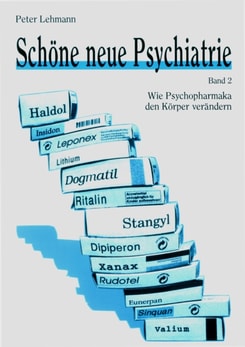
In diesem Buch stehen die kurz-, mittel- und langfristigen Risiken und Schäden psychiatrischer Psychopharmaka auf dem deutschsprachigen Markt (bis 1996) im Mittelpunkt, die sich im Muskelapparat, in den Organen und im vegetativen Bereich niederschlagen, z.
Advances in Anti-inflammatory Therapy explores the cutting-edge in anti-inflammation therapy in clear and concise language, with insights from academia and industry.
Handbook of Arsenic Toxicology, Second Edition presents the latest findings on arsenic, including its chemistry, sources and effects on the environment and human health.
This book highlights recent research investigating psychological and neural mechanisms contributing to dysfunctional cognition in people with schizophrenia.
Clinical Case Studies on Medication Safety provides real and simulated scenarios about safety issues related to medication, including Adverse Drug Reactions (ADRs), medication errors, and Drug Related Problems (DRPs).
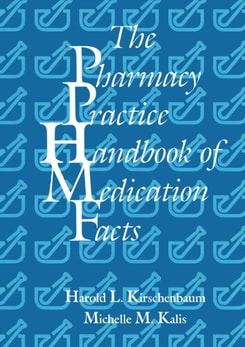
Because of the rapidly increasing number of marketed pharmacologic agents, professionals are finding it increasingly difficult to provide colleagues and patients with the types of patient-oriented information they need.
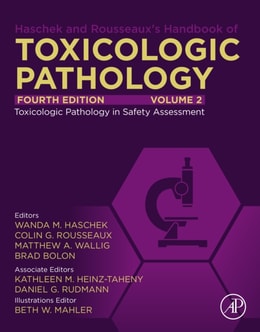
Haschek and Rousseaux's Handbook of Toxicologic Pathology, recognized by many as the most authoritative single source of information in the field of toxicologic pathology, has been extensively updated to continue its comprehensive and timely coverage.
Advances in Epidemiological Modeling and Control of Viruses covers recent and advanced research works in the field of epidemiological modeling, with special emphasis on new strategies to control the occurrence and reoccurrence of viruses.
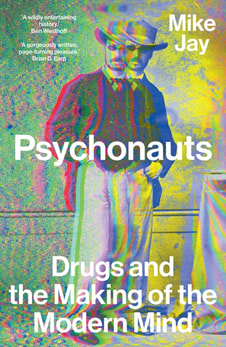
A provocative and original history of the scientists and writers, artists and philosophers who took drugs to explore the hidden regions of the mind A New Yorker Best of the Week Pick “Jay is a leading expert on the history of Western drug use, and Psychonauts is the latest in a series of excellent studies in which he has investigated the roots of a kind of psychoactive exploration that we tend to associate with the nineteen-fifties and sixties.
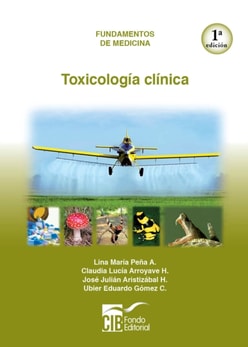
Este libro se escribió porque la es un tema de actualidad, para el cual no existe en el país un texto de consulta fácil, lectura ágil, con conceptos actualizados y un enfoque netamente clínico en idioma español que abarque los aspectos más importantes de esta disciplina.
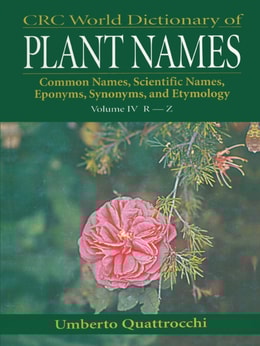
This volume provides the origins and meanings of the names of genera and species of extant vascular plants, with the genera arranged alphabetically from R to Z.
This volume provides the origins and meanings of the names of genera and species of extant vascular plants, with the genera arranged alphabetically from R to Z.
In diesem kurzen Lehrbuch werden grundlegende wissenschaftliche und klinische Aspekte der Toxikologie dargestellt und ihre wichtigsten Inhalte, Ziele und Aufgaben beschrieben.
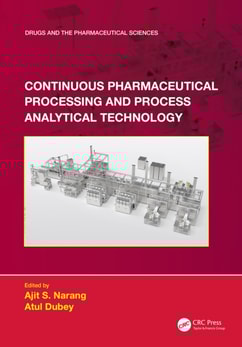
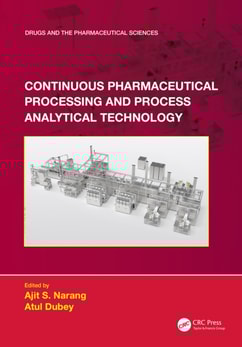
Continuous manufacturing of pharmaceuticals, including aspects of modern process development is highlighted in this book with both the 'why' and the 'how', emphasizing process modeling and process analytical technologies.
Continuous manufacturing of pharmaceuticals, including aspects of modern process development is highlighted in this book with both the 'why' and the 'how', emphasizing process modeling and process analytical technologies.
The CTBN volume Therapeutic Applications of Dopamine D3 Receptor Function reviews the state of the knowledge on the dopamine D3 receptor and its role in human behavior and disease (i.
Overcoming Obstacles in Drug Discovery and Development uses real-world case studies to illustrate how critical thinking and problem solving skills are applied in the discovery and development of drugs.
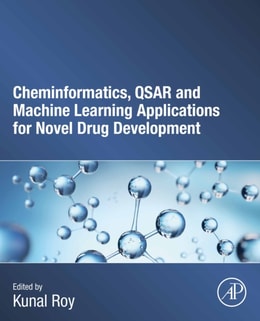
Cheminformatics, QSAR and Machine Learning Applications for Novel Drug Development aims at showcasing different structure-based, ligand-based, and machine learning tools currently used in drug design.