Because of the rapidly increasing number of marketed pharmacologic agents, professionals are finding it increasingly difficult to provide colleagues and patients with the types of patient-oriented information they need.
Nanotechnology for Drug Delivery and Pharmaceutical Sciences presents various drug-delivery techniques that utilize nanotechnology for the biomedical domain, highlighting both therapeutic and diagnostic applications.
Before now, biological systems could only be expressed in terms of linear relationships, however, as knowledge grows and new techniques of analysis on biological systems is made available, we are realizing the non-linearity of these systems.
Before now, biological systems could only be expressed in terms of linear relationships, however, as knowledge grows and new techniques of analysis on biological systems is made available, we are realizing the non-linearity of these systems.
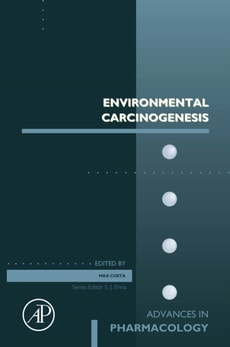
Environmental Carcinogenesis, Volume 96 in the Advances in Pharmacology series, reports on work done with carcinogenic metals and the mechanisms of their carcinogenicity, including Arsenic and Chromate.
Make the right drug therapy decisions with the leading guide to applying pharmacotherapy principles to real-world clinical practiceThe perfect companion to DiPiro's Pharmacotherapy: A Pathophysiologic Approach, 12th EditionPharmacotherapy Casebook: A Patient-Focused Approach uses 150+ cases to help you build the clinical decision-making skills required to identify and resolve commonly encountered medication therapy problems encountered in daily practice.
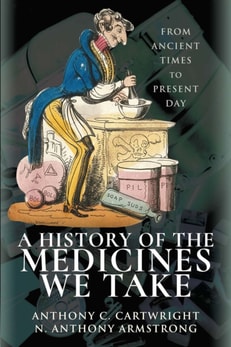
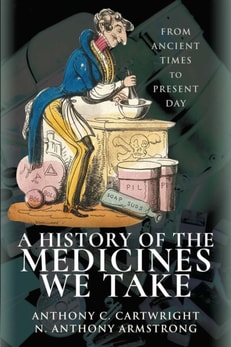
A History of the Medicines We Take gives a lively account of the development of medicines from traces of herbs found with the remains of Neanderthal man, to prescriptions written on clay tablets from Mesopotamia in the third millennium BC, to pure drugs extracted from plants in the nineteenth century to the latest biotechnology antibody products.
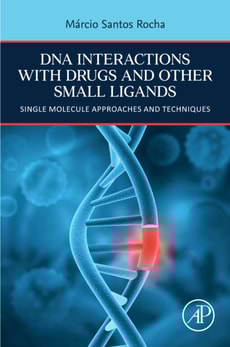
DNA Interactions With Drugs and Other Small Ligands: Single Molecule Approaches and Techniques provides the reader with all the main information, a "e;state-of-the-art"e; of sorts and an overall review of the field.
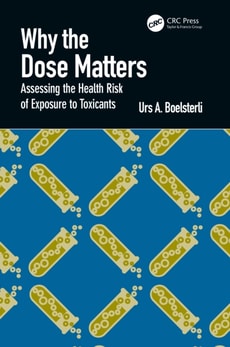
Each day we are exposed to a myriad of natural and human-made chemicals in our food, drinking water, air, soil, at home or at the workplace-pesticide residues, food additives, drugs, household products-but how can we gauge the human health risk posed by these chemicals?
Each day we are exposed to a myriad of natural and human-made chemicals in our food, drinking water, air, soil, at home or at the workplace-pesticide residues, food additives, drugs, household products-but how can we gauge the human health risk posed by these chemicals?
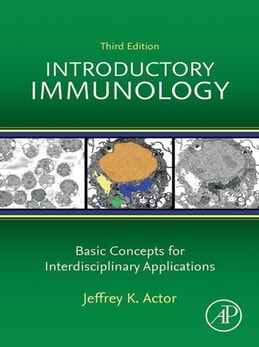
**Selected for Doody's Core Titles(R) 2024 in Immunology**Introductory Immunology: Basic Concepts for Interdisciplinary Applications, 3rd Edition, is a completely updated, revised, and expanded concise, conceptual approach to understanding the immune systems as a primary defense to maintain health and homeostasis.
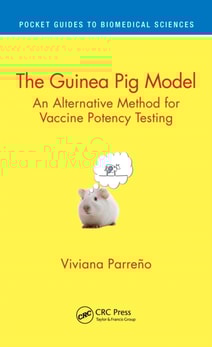
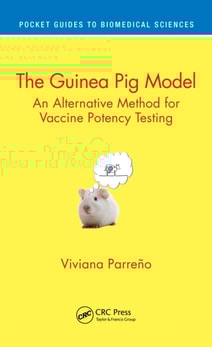
This book summarizes the development and statistical validation of a guinea pig model as an alternative for potency testing of the viral antigens included in combined vaccines applied in cattle to control the respiratory, reproductive, and neonatal calf diarrhea syndromes.
This book summarizes the development and statistical validation of a guinea pig model as an alternative for potency testing of the viral antigens included in combined vaccines applied in cattle to control the respiratory, reproductive, and neonatal calf diarrhea syndromes.
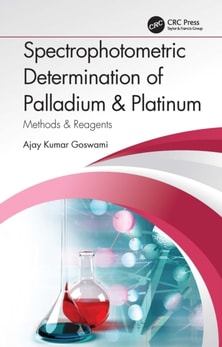
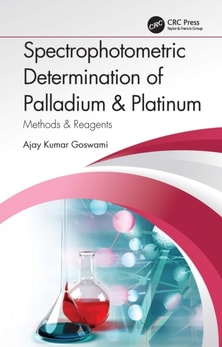
This versatile resource consolidates available methods for the spectrophotometric determination of palladium and platinum and serves as a practical ready-to-use guide for those researching palladium and platinum and for those working in the field of medicinal metal complexes of the two metals.
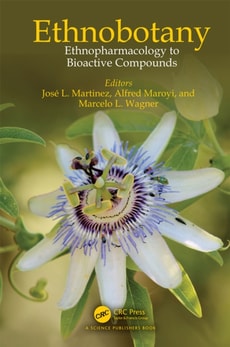
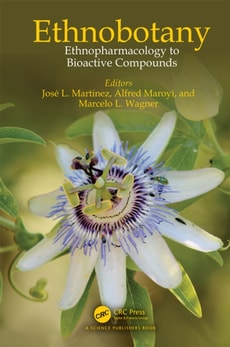
Ethnobotany: Ethnopharmacology to Bioactive Compounds comprises of carefully selected studies focusing on the importance of ethnobotanical data as an effective approach towards the discovery of novel ethnopharmacological properties and bioactive compounds that characterize herbal products, pharmaceutical drugs and medicinal plants.
Ethnobotany: Ethnopharmacology to Bioactive Compounds comprises of carefully selected studies focusing on the importance of ethnobotanical data as an effective approach towards the discovery of novel ethnopharmacological properties and bioactive compounds that characterize herbal products, pharmaceutical drugs and medicinal plants.
This versatile resource consolidates available methods for the spectrophotometric determination of palladium and platinum and serves as a practical ready-to-use guide for those researching palladium and platinum and for those working in the field of medicinal metal complexes of the two metals.
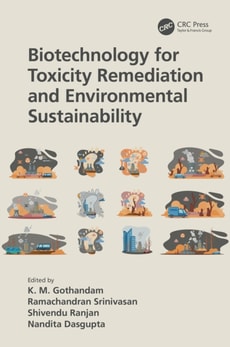
Environmental issues such as ozone layer depletion, overpopulation, biodiversity loss, global warming, natural resource depletion, and so on affect every organism on the planet somehow.
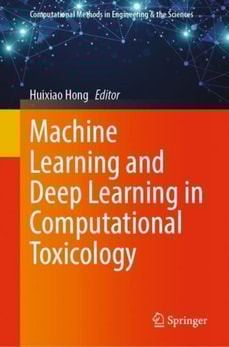
This book is a collection of machine learning and deep learning algorithms, methods, architectures, and software tools that have been developed and widely applied in predictive toxicology.
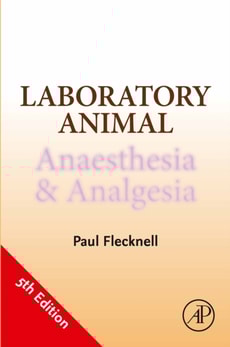
Laboratory Animal Anaesthesia and Analgesia, Fifth Edition provides a basic guide to anesthesia for a very diverse audience involved in animal testing.
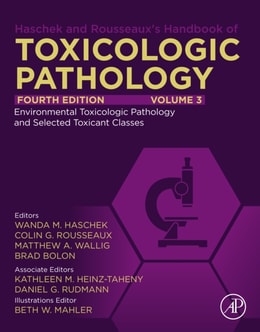
Haschek and Rousseaux's Handbook of Toxicologic Pathology, Fourth Edition, recognized by many as the most authoritative single source of information in the field of toxicologic pathology, has been extensively updated to continue its comprehensive coverage.
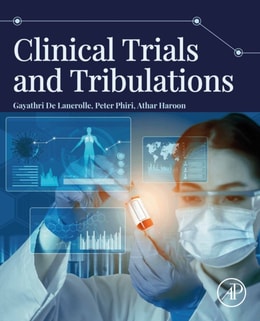
Clinical Trials and Tribulations evaluates the multiple layers of complexities around research management, also exploring current practices, challenges and future directions.
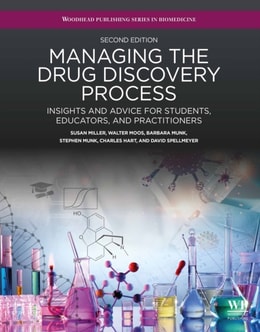
Managing the Drug Discovery Process, Second Edition thoroughly examines the current state of pharmaceutical research and development by providing experienced perspectives on biomedical research, drug hunting and innovation, including the requisite educational paths that enable students to chart a career path in this field.
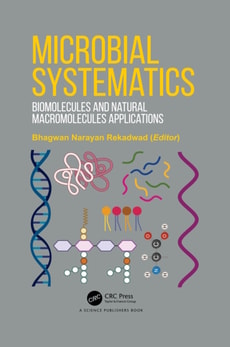
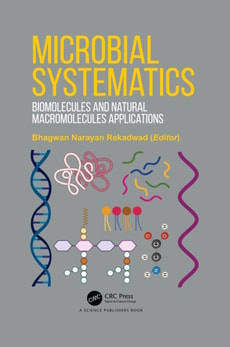
Microbial species isolated from extreme and pristine habitats are always diverse, which indicates biomolecules secreted by these species might have importance.
Microbial species isolated from extreme and pristine habitats are always diverse, which indicates biomolecules secreted by these species might have importance.
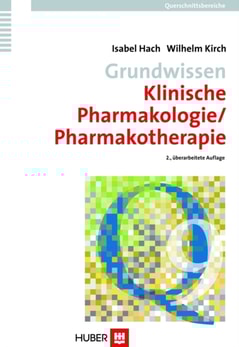
Die Klinische Pharmakologie und Pharmakotherapie ist in der ärztlichen Approbationsordnung als Querschnittsbereich definiert, weil jeder Mediziner, unabhängig von seiner Fachrichtung, ein fundiertes Wissen über die Anwendung von Medikamenten besitzen muss.
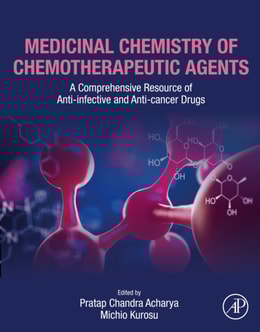
Medicinal Chemistry of Chemotherapeutic Agents: A Comprehensive Resource of Anti-infective and Anti-cancer Drugs focuses on the basics and fundamentals of chemistry involved in chemotherapeutic agents.
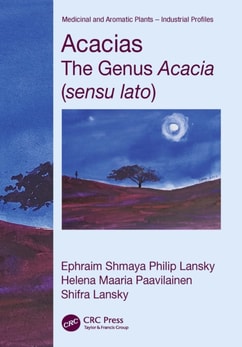
Acacias: The Genus Acacia (sensu lato) is an evidence-based treatment of this supergenus, through the eyes of a clinical pharmacognosist and integrative medicine specialist.
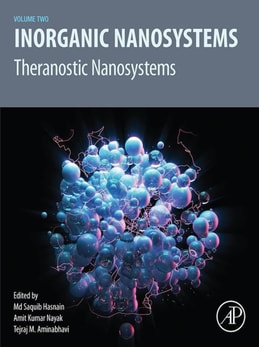
Inorganic Nanosystems: Theranostic Nanosystems, Volume Two examines the applications of nanotherapeutic systems and nanodiagnostics in relation to polymeric nanosystems.
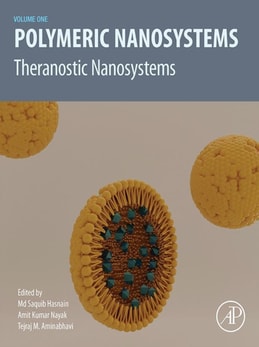
Polymeric Nanosystems: Theranostic Nanosystems, Volume One examines the applications of nanotherapeutic systems and nanodiagnostics in relation to polymeric nanosystems.
Green Sustainable Process for Chemical and Environmental Engineering and Science: Recent Advances in Nanocarriers covers nanocarrier synthesis techniques, as well as methods for encapsulating bioactive compounds.
Oxetane Synthesis rings play an important role as versatile motifs both in the overall formation of natural products and in synthetic organic chemistry.
Toxicity and Toxicodynamics, Volume One in the Essentials of Pharmatoxicology in Drug Research series provides an overview on the essentials of toxicology, risk assessment and the mechanisms.
Biomedical research is the first step towards the creation of new medications and treatments that help to manage different types of health conditions and diseases.
Biomedical research is the first step towards the creation of new medications and treatments that help to manage different types of health conditions and diseases.
Gallery of Medicinal Plants (Dravyaguna Vigyan) is an excellent book in its field Ayurvedic Materia Medica which covers all medicinal plants and drugs of animal-origin included in Paper-II of Dravyaguna Vigyan, as per the Central Council of Indian Medicine (CCIM) syllabus.