Principles and Practice of Neuropsychopharmacology: A Clinical Reference for Residents, Physicians, and Biomedical Scientists is a concise yet comprehensive book that discusses the drugs used in the treatment of neurological and psychiatric diseases from the perspective of practicing clinicians.
Biocompatibility Protocols for Medical Devices and Materials provides comprehensive coverage of the basic science and toxicological testing protocols necessary for the risk assessment and safety analysis of medical devices and materials which are based on the ISO guidelines for body contact and duration of contact.
Coordination compounds have been well-known for their wide variety of applications for over a century, as well as enhancing the researcher's interest and concern in evaluating their action mechanism.
The disability-adjusted life year (DALY) is a generic measure of health effect that can be used in cost-effectiveness analysis as an alternative to the quality-adjusted life year (QALY).
Researchers, program administrators, and practicing clinicians explain the most recent developments in using psychedelic substances to treat psychological, physiological, and social problems.
The second book in the Evidence-Based Guides series, The Evidence-Based Guide to Antidepressant Medications, provides a clear reference to the current knowledge and evidence base for the use of antidepressants among a variety of patients across a wide range of disorders.
In the 7 years since the first edition of Clinical Manual of Geriatric Psychopharmacology was published, dozens of new drugs have been released, and older medications have been marketed in different formulations.
Volumes in this widely revered series present comprehensive reviews of drug substances and additional materials, with critical review chapters that summarize information related to the characterization of drug substances and excipients.
Toxicological Evaluation of Electronic Nicotine Delivery Products (ENDP) discusses the scientific basis for the toxicological assessment and evaluation of ENDPs.
Profiles of Drug Substances, Excipients, and Related Methodology, Volume 45, presents comprehensive reviews of drug substances and additional materials, with critical review chapters that summarize information related to the characterization of drug substances and excipients.
Advances in Pharmacology, Volume 91, the latest release in this well-received series, presents the latest information in the field, with this update including chapters on Modulation of inflammation and immune response by the stress-activated transcription factor Nrf2, Therapeutic modulation of macrophage phenotype to treat acute and chronic liver diseases, Immodulation by cannabinoids, The use of nanomaterials to target immunity, Next generation in cancer immunotherapy, checkpoint inhibitors, Vaccines as a therapy for food allergy, Role of inflammation/immune system in depression, Therapeutic targeting of tumor-associated macrophages, Mast cells, and more.
Handbook on the Toxicology of Metals, Volume II: Specific Metals, Fifth Edition provides complete coverage of 38 individual metals and their compounds.
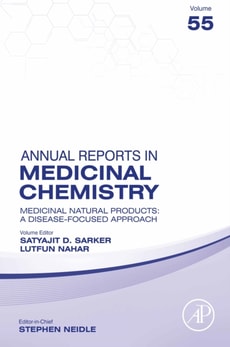
Medicinal Natural Products: A Disease-Focused Approach, Volume 55 in the Annual Reports in Medicinal Chemistry series, highlights the applications of natural products as medicines or prospective medicinal leads for the treatment of various human ailments.
Profiles of Drug Substances, Excipients, and Related Methodology, Volume 46 contains comprehensive profiles of five drug compounds: Darunavir, Bisoprolol, Betaxolol, Rabeprazole and Irbesartan.
Emerging Nanotechnologies for Diagnostics, Drug Delivery and Medical Devices covers the modern micro and nanotechnologies used for diagnosis, drug delivery, and theranostics using micro, nano, and implantable systems.
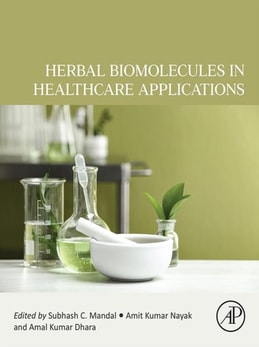
Herbal Biomolecules in Healthcare Applications presents extensive detailed information on all the vital principles, basics and fundamental aspects of multiple herbal biomolecules in the healthcare industry.
Tamoxifen Tales: Suggestions for Scientific Survival presents a case study describing the academic journey of teams behind major advances in medical sciences, highlighting lessons learned that are applicable to the next generation of scientists.
Serotonin and Behavior contains the proceedings of the 1972 symposium on the behavioral effects of changes in brain serotonin, held at Stanford University in California.
Handbook of Hazardous Materials is a one-volume compendium of hazardous materials that discusses the toxic effects of these materials on human health and the global environment.
High-precision cleaning is required across a wide range of sectors, including aerospace, defense, medical device manufacturing, pharmaceutical processing, semiconductor/electronics, etc.
In this important reference work, Zeliger catalogs the known effects of chemical mixtureson the human body and also proposes a framework for understanding and predicting theiractions in terms of lipophile (fat soluble) / hydrophile (water soluble) interactions.
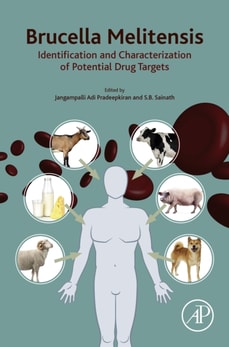
Brucella Miletensis: Identification and Characterization of Potential Drug Targets presents a systematic approach to identifying and characterizing drug targets using bioinformatics.
The most effective and comprehensive pharmacy review for the NAPLEX(R)The ultimate pharmacy review covering every topic tested on the exam1,500+ NAPLEX-style Q&As deliver unmatched preparation for the examBuild confidence and test-taking skills with more than 1500 NAPLEX -style questions and tried-and-proven tips for boosting exam performance Learn from detailed explanations why answers are correct or incorrect Improve in every essential competency: pharmacology, pharmaceutical calculations, pharmacy, pharmaceutical compounding, biopharmaceutics and pharmacokinetics, health care equipment and supplies, and pharmaceutical care Recognize all frequently dispensed drugs, including the 200 generic drugs most likely to be dispensed by pharmacistsEVERYTHING YOU NEED TO EXCEL ON THE NAPLEX Questions that cover every topic found on the examAn entire chapter devoted to patient profiles, with each profile accompanied by a series of questionsAn informative description of the computer-based examinationTwo valuable appendices: frequently dispensed drugs and trade names versus generic names
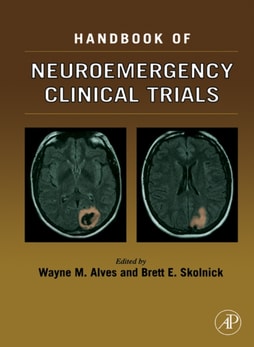
During the 1990's, scientific advances in understanding the mechanisms and pathophysiology of acute central nervous system injury were offset by a history of disappointing results from Phase III clinical trials of novel neuroprotective drugs.
Food Toxicants Analysis covers different aspects from the field of analytical food toxicology including emerging analytical techniques and applications to detect food allergens, genetically modified organisms, and novel ingredients (including those of functional foods).
Microbial natural products have been an important traditional source of valuable antibiotics and other drugs but interest in them waned in the 1990s when big pharma decided that their discovery was no longer cost-effective and concentrated instead on synthetic chemistry as a source of novel compounds, often with disappointing results.
Synthetic Analgesics, Part I: Diphenylpropylamines deals with the methods of synthesis, the physical and chemical properties, and the "e;"e;analgesic"e;"e; activity of diphenylpropylamines.
Toxic fire effluents are responsible for the majority of fire deaths, and an increasing large majority of fire injuries, driven by the widespread and increasing use of synthetic polymers.