Japanese Kampo Medicines for the Treatment of Common Diseases - Focus on Inflammation provides researchers and clinicians with a current look at how Kampo medicines can be used to effectively treat inflammatory disorders.
An Introduction to Interdisciplinary Toxicology: From Molecules to Man integrates the various aspects of toxicology, from "e;simple molecular systems, to complex human communities, with expertise from a spectrum of interacting disciplines.
Drugs During Pregnancy and Lactation, Third Edition is a quick and reliable reference for all those working in disciplines related to fertility, pregnancy, lactation, child health and human genetics who prescribe or deliver medicinal products, and to those who evaluate health and safety risks.
Risk Management of Complex Inorganic Materials: A Practical Guide facilitates the risk assessment and management of complex inorganic materials around the world by providing accessible and specific guidance on their assessment.
Basic Principles of Drug Discovery and Development presents the multifaceted process of identifying a new drug in the modern era, providing comprehensive explanations of enabling technologies such as high throughput screening, structure based drug design, molecular modeling, pharmaceutical profiling, and translational medicine, all areas that have become critical steps in the successful development of marketable therapeutics.
Veterinary Toxicology, Basic and Clinical Principles, Third Edition, is a unique, single reference that teaches the basic principles of veterinary toxicology to any student at the DVM, MS or PhD level.
Advances in Structure and Activity Relationship of Coumarin Derivatives covers the structural behavior of various coumarin derivatives for various potential pharmaceutical applications.
Exposure and Risk Assessment of Pesticide Use in Agriculture: Approaches, Tools and Advances offers an overview of the different methods available in toxicology for pesticide exposure and risk assessment, ranging from the regulatory field, to in-field research studies.
Medicinal Spices and Vegetables from Africa: Therapeutic Potential against Metabolic, Inflammatory, Infectious and Systemic Diseases provides a detailed look at medicinal spices and vegetables that have proven safe-and-effective for consumption and the treatment of diseases, including infectious diseases, cardiovascular disease, and cancer.
Toxicogenomics-Based Cellular Models is a unique and valuable reference for all academic and professional researchers employing toxicogenomic methods with respect to animal testing for chemical safety.
Biocontamination Control for Pharmaceuticals and Healthcare outlines a biocontamination strategy that tracks bio-burden control and reduction at each transition in classified areas of a facility.
Design and Development of New Nanocarriers focuses on the design and development of new nanocarriers used in pharmaceutical applications that have emerged in recent years.
A Pharmacology Primer: Techniques for More Effective and Strategic Drug Discovery, Fifth Edition features the latest ideas and research regarding the application of pharmacology to the process of drug discovery.
Ranunculales Medicinal Plants: Biodiversity, Chemodiversity and Pharmacotherapy comprehensively covers this order of flowering plants, detailing the phytochemistry, chemotaxonomy, molecular biology, and phylogeny of selected medicinal plants families and genera and their relevance to drug efficacy.
Dosage Form Design Parameters, Volume II, examines the history and current state of the field within the pharmaceutical sciences, presenting key developments.
Patient Derived Tumor Xenograft Models: Promise, Potential and Practice offers guidance on how to conduct PDX modeling and trials, including how to know when these models are appropriate for use, and how the data should be interpreted through the selection of immunodeficient strains.
Wildlife Toxicity Assessments for Chemicals of Military Concern is a compendium of chemical-specific toxicity information with discussions on the rationale and development of Wildlife Toxicity Reference Values (TRVs) intended for use on terrestrial wildlife for risk assessment applications.
Light, Molecules, Reaction and Health offers a comprehensive overview of health-related, light-based processes and systems, paying special attention to molecular photochemistry.
Pharmacoepidemiology and Pharmacovigilance: Synergistic Tools to Better Investigate Drug Safety examines the role of pharmacoepidemiologic studies in drug development and its use as a prevention tool in pharmacovigilance activities.
Underexplored Medicinal Plants from Sub-Saharan Africa: Plants with Therapeutic Potential for Human Health examines a comprehensive selection of rarely explored plants that have been underestimated for their therapeutic value.
The Practice of Medicinal Chemistry, Fourth Edition provides a practical and comprehensive overview of the daily issues facing pharmaceutical researchers and chemists.
Drug Delivery Trends examines a drift in the pharmaceutical field across the wide range of dosage forms, drug delivery systems (micro and nanoparticulate), at the regulatory front and on new types of therapies in the market.
Neuropsychotherapeutics, Volume 86, the newest volume in the Advances in Pharmacology series, presents a variety of chapters from the best authors in the field, with this updated edition including sections on Pharmacotherapy of psychiatric disorders, Allosteric mechanisms for neuropsychopharmacology, Lipid rafts, Rapid-acting antidepressants, mGlu2/3 receptor antagonists, Nitric oxide: antidepressant mechanisms and inflammation, Anxiety disorders, mGlu receptors and schizophrenia, mAChR ligands for schizophrenia and addiction, PDE10 inhibitors, Obsessive-compulsive disorder, Addiction disorders (including eating), Dopamine D1 PAMs as a New Mode for Treatment of Neuropsychiatric Disorders, and more.
Toxicology Cases for the Clinical and Forensic Laboratory brings together carefully selected case studies to teach important principles relating to drug and toxin exposures.
Pharmaceutical Care in Digital Revolution demonstrates how blending human and digital pharmaceutical care can establish optimal Apothecary Intelligence (AI).
Some of the more recent efforts in tuberculosis (TB) and trypanosomiasis drug discovery from both Product Development Partnerships (PDPs) and academia are highlighted in this this volume.
Dosage Form Design Parameters, Volume I, examines the history and current state of the field within the pharmaceutical sciences, presenting key developments.
Microbial Forensics, Third Edition, serves as a complete reference on the discipline, describing the advances, challenges and opportunities that are integral in applying science to help solve future biocrimes.
Novel Psychoactive Substances: Classification, Pharmacology and Toxicology provides readers with background on the classification, detection, supply and availability of novel psychoactive substances, otherwise known as "e;legal highs.
Pharmacology of Restless Legs Syndrome (RLS), Volume 84, the newest volume in the Advances in Pharmacology series, presents a variety of chapters from the best authors in the field on essential topics, with this volume presenting chapters on Targeting the adenosinergic system in Restless Legs Syndrome, Assessing iron uptake mechanisms in the brain: impact of gender and genotype, Pharmacological treatments of RLS in augmentation, C.
Toxicological Aspects of Drug-Facilitated Crimes provides readers with an overview of the field of DFC: its history, toxicological effects, analysis, interpretation of results, the roles that age, gender and race may play, and clinical presentations of these drugs.
TRP Channels as Therapeutic Targets: From Basic Science to Clinical Use is authored by experts across academia and industry, providing readers with a complete picture of the therapeutic potential and challenges associated with using TRP channels as drug targets.
Nanopharmaceuticals reviews advances in the drug delivery field via nanovehicles or nanocarriers that offer benefits like targeted therapy and serves as a single dose magic bullet for multiple drug delivery with improved drug efficiency at a lower dose, transportation of the drug across physiological barriers as well as reduced drug-related toxicity.
This volume addresses one of the Holy Grails in Psychiatry, namely the evidence for and potential to adopt 'Biomarkers' for prevention, diagnosis, and treatment responses in mental health conditions.
This volume gives an overview of new insights to alcohol pharmacology using DREADDs (Designer Receptors and Unraveling the Neuropharmacology of Alcohol).
This volume connects current ideas and concepts about sleep functions and circadian rhythms with the search for novel target-selective sleep-wake therapeutics.
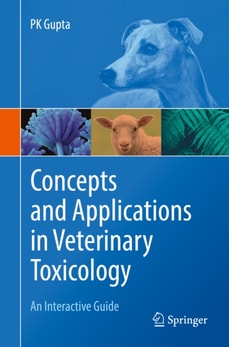
This book: "e;Concepts and Applications in Veterinary Toxicology: An Interactive Guide"e;: covers a broad spectrum of topics related to students specializing in veterinary toxicology and for veterinary medical practitioners.
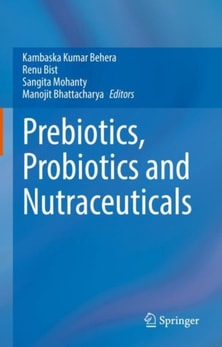
The book titled 'Prebiotics, Probiotics and Nutraceuticals' is expected to direct many emerging research pathwaysneed at local and global levels for nutrition and food supplements for developing immunity for healthy life.