This book offers an excellent introduction to the use of novel therapeutic vaccines for common diseases based on their ability to induce antibody production.
This book on current approaches to the use of drugs in dentistry aims to equip practitioners with a sound understanding of both the scientific evidence for various interventions and the comparative efficacy of those interventions.
This book mainly focuses on advances made over the past 10 years regarding the exposure, metabolism, transformation, toxicity, molecular mechanism and biomarkers for emerging chemicals in humans.
This book provides a comprehensive overview of state-of-the-art applications of nanotechnology in biology and medicine, as well as model organisms that can help us understand the biological activity and associated toxicity of nanoparticles, and devise strategies to minimize toxicity and enhance therapies.
This book focusses on the latest results related to the field of bile acids as signaling molecules and describes how these receptors have become a major pharmacological target.
This edited volume discusses the short-term inhalation study (STIS) and intratracheal administration, the two major in vivo inhalation-toxicity screening methods, which play an important role in efficient hazard evaluation.
This book aims to provide comprehensive, up-to-date information on psychotropic drugs and inform clinical decisions for the treatment of mental disorders using a problem-solving approach.
Emerging methods, as well as best practices in well-used methods, in pharmacy are of great benefit to researchers, graduate students, graduate programs, residents and fellows also in other health science areas.
This book offers a series of perspectives on the therapeutic potential of the ritual and clinical use of the Amazonian hallucinogenic brew ayahuasca in the treatment and management of various disorders.
How to Design and Implement Powder-to-Tablet Continuous Manufacturing Systems provides a comprehensive overview on the considerations necessary for the design of continuous pharmaceutical manufacturing processes.
Computational Approaches for Novel Therapeutic and Diagnostic Designing to Mitigate SARS-CoV2 Infection: Revolutionary Strategies to Combat Pandemics compiles information about various computational bioinformatic approaches that can help combat viral infection.
Mangroves with Therapeutic Potential for Human Health: Global Distribution, Ethnopharmacology, Phytochemistry, and Biopharmaceutical Applications explores, for the first time in a book, the exciting potential of mangroves for therapeutic applications in medicine and pharmacology.
Combination Drug Delivery Approach as an Effective Therapy for Various Diseases explores the use of bioengineering tools in combination drug delivery approaches to control various diseases at different clinical stages of synergistic action, varying mechanisms of action, and during the suppression of drug resistance.
An essential resource for students and residents in pharmacy settingsWhile there are numerous resources covering basics of drug literature evaluation and evidence-based pharmacy, few books focus on practice-based pharmacy research.
"e;The book is comprised of individual reviews with the common goal of providing up-to-date state of the knowledge information on the role the environment plays in the pathogenesis of parkinsonism.
A quick and effective way for pharmacy students to learn the medical terminology they need to knowMemorization and understanding of medical terminology is essential in pharmacy practice.
Phytochemistry, Computational Tools and Databases in Drug Discovery presents the state-of-the-art in computational methods and techniques for drug discovery studies from medicinal plants.
An essential text for any Pharmacy Research Design/Drug Literature coursePrinciples of Research Design and Drug Literature Evaluation, Second Edition is a unique resource that provides a balanced approach covering critical elements of clinical research, biostatistical principles, and scientific literature evaluation techniques for evidence-based medicine.
The goal of this book is to provide a guide and detailed review of immunosuppression in terms of molecular mechanisms of action, side effects and clinical trials that validated their utility.
The Pharmacology of Taste is comprised of contributions by leading scientists from the field of chemosensory research, presented all together in the context of pharmacological principles of receptor function.
This book, now in a revised and updated second edition, reviews the imaging-relevant features of selected classes of pharmaceuticals and drugs regarding CNS and head and neck images.
New Discoveries in the Behavioral Neuroscience of Attention Deficit Hyperactivity Disorder reviews the latest developments in preclinical and clinical research of Attention Deficit Hyperactivity Disorder.
This collection explores up-to-date descriptions of known G protein-coupled receptor kinase (GRK)-dependent mechanisms, both associated with G protein-coupled receptor (GPCR) functions and the receptor-independent.
Thoroughly revised and updated, Optimization in Drug Discovery: In Vitro Methods, Second Edition presents a wide spectrum of in vitro assays including formulation, plasma binding, absorption and permeability, cytochrome P450 (CYP) and UDP-glucuronosyltransferases (UGT) metabolism, CYP inhibition and induction, drug transporters, drug-drug interactions via assessment of reactive metabolites, genotoxicity, and chemical and photo-mutagenicity assays.
Recent findings have implied a distinct therapeutic potential for drugs targeting Transient Receptor Potential (TRP) channels in a wide variety of diseases, many with no existing satisfactory treatment options.
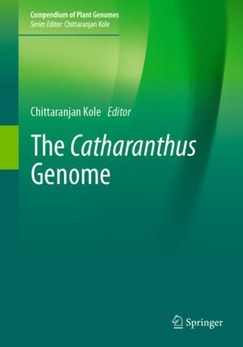
This book is the first comprehensive compilation of deliberations on botany, medicinal importance, genetic diversity, classical genetics and breeding, in vitro biosynthesis, somatic embryogenesis, genetic transformation, molecular mapping, genome sequence, and functional genomics of Catharanthus roseus.
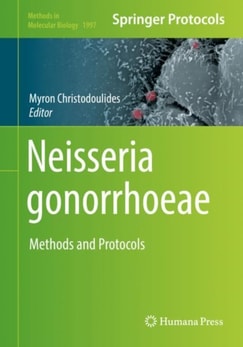
This detailed book addresses the continual development and application of new methods and protocols to understand the biology of the pathogen Neisseria gonorrhoeae.
The modern fascination with micro- and nano-sized materials can actually be traced back further to the 1960s and '70s when the first few reported attempts were made to use nanoparticles for controlled drug delivery.
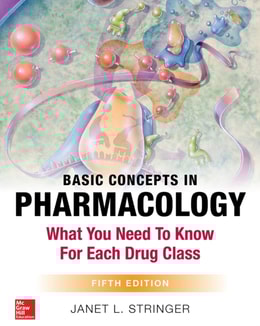
A simple, effective, and time-proven method of learning the essential concepts of pharmacologyA MUST-READ FOR THE USMLE STEP 2Basic Concepts in Pharmacology: What You Need to Know for Each Study Class, Fifth Edition provides you with a complete framework for studying and understanding the fundamental principles of drug actions.