The field of nanotechnology has developed very rapidly over the past decade lending great promise to medical applications in drug delivery, therapeutics, and biological imaging.
Drug metabolism and transport are very important facets within the discipline of pharmaceutical sciences, with enzyme kinetic concepts utilized regularly in characterizing and modeling the disposition and elimination of drugs.
This book provides a collection of comprehensive, up-to-date, and broadly applicable guides to the research and development fields of oligonucleotide (ON) therapeutics.
In diesem kurzen Lehrbuch werden grundlegende wissenschaftliche und klinische Aspekte der Toxikologie dargestellt und ihre wichtigsten Inhalte, Ziele und Aufgaben beschrieben.
This essential volume explores a variety of tools and protocols of structure-based (homology modeling, molecular docking, molecular dynamics, protein-protein interaction network) and ligand-based (pharmacophore mapping, quantitative structure-activity relationships or QSARs) drug design for ranking and prioritization of candidate molecules in search of effective treatment strategy against coronaviruses.
Companion and Complementary Diagnostics: From Biomarker Discovery to Clinical Implementation provides readers with in-depth insights into the individual steps in the development of companion diagnostic assays, from the early biomarker discovery phase straight through to final regulatory approval.
This book examines insights into the latest thinking and core concepts in areas of key methodological endeavor in Pharmacovigilance (PV), which strives to ever more effectively protect patients from harm caused by the medicines they need.
This book provides the first diverse and multifaceted textual and cartographic overview of natural curative resources of mineral waters and peloids in Russia.
Polymeric Nanosystems: Theranostic Nanosystems, Volume One examines the applications of nanotherapeutic systems and nanodiagnostics in relation to polymeric nanosystems.
This volume explores label-free biosensors, advantageous in part because this technology bypasses the need of labels, reporters, and cell engineering, all of which are common to labeled techniques but may introduce artifacts in assay results.
This book reflects the drug development community's interest in proteomics methods by providing researchers with the necessary knowledge for the implementation of a number of basic experimental and bioinformatics protocols in the drug discovery research laboratory.
Understanding an individual's genetic makeup is the key to creating personalized drugs with greater efficacy and safety, and pharmacogenomics aims to study the complex genetic basis of inter-patient variability in response to drug therapy.
This book illustrates the current state-of-the-art in histamine research, with a focus on the appropriate methodologies to investigate the pharmacological properties and the therapeutic exploitation of HRs and their ligands.
This book provides a comprehensive view of the methodologies used for the study of liver toxicity encountered throughout the whole life cycle of a drug, from drug discovery, to clinical trial, post-marketing, and even clinical practice.
Given the vital and far-reaching applications of medicinal plant metabolites worldwide, the quality and consistency of the products as well as the very survival of various species are of the utmost importance.
The volume presents a variety of protocols that will be useful to researchers working in the field of disease modeling, drug discovery, and the cell biology of various tissues.
Driving further the research on mammalian alkaline phosphatase structure and function, Phosphatase Modulators collects expert contributions into one "e;how to"e; manual for basic scientists interested in initiating a drug discovery effort.
Inorganic Nanosystems: Theranostic Nanosystems, Volume Two examines the applications of nanotherapeutic systems and nanodiagnostics in relation to polymeric nanosystems.
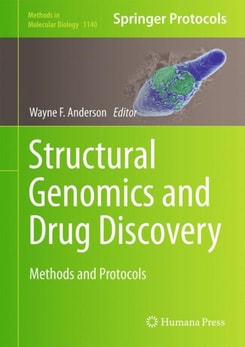
Structural Genomics and Drug Discovery: Methods and Protocols focuses on high throughput structure determination methods and how they can be applied to lay the groundwork for structure aided drug discovery.
Spanning from discoveries in fundamental immunology to industrial and commercial concerns, the study of vaccine adjuvants has developed into an exciting area of work with great, vital potential in innovating techniques in which adjuvants may steer the immune system towards the responses required by unmet vaccination needs.
Channels and transporters are multi-functional proteins that mediate substrate transport and signal transmission and simultaneously act as regulators for other proteins and biosensors for environmental materials.
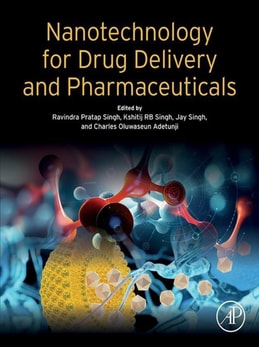
Nanotechnology for Drug Delivery and Pharmaceutical Sciences presents various drug-delivery techniques that utilize nanotechnology for the biomedical domain, highlighting both therapeutic and diagnostic applications.
Due to the failing "e;one-drug-fits-all"e; model, it has become increasingly necessary to develop personalized medicine that treats whole systems and brings the right drug to the right patient with the right dosages.
Due to the rapid and steady growth of available low-cost computer power, the use of computers for discovering and designing new drugs is becoming a central topic in modern molecular biology and medicinal chemistry.
This volume provides methods to analyze the meningococcus and its interactions with biologically relevant host cells and sites, to interrogate the population structure and biology of the meningococcus that defines its capacity to cause disease, and to aid in vaccine development and surveillance.
Patch Clamp Methods and Protocols surveys the typical patch clamp applications and advises scientists on identifying problems and selecting the best technique in each instance.
This book focuses on recent developments in docking simulations for target proteins with chapters on specific techniques or applications for docking simulations, including the major docking programs.
This detailed book aims to provide readers with critical information to accomplish the synthesis of nanosystems for the purpose of supramolecular entities complexing with drugs, targeted drug delivery system characterization, as well as the study of the physical-chemical interactions that govern the stability and properties of these systems.
This detailed volume brings together leading practitioners in the freeze-drying community to address recent progress, not only in new analytical tools and applications of the data derived in cycle design but also in the manufacturing of lyophilized products in the healthcare sector - whether these be therapeutics, vaccines or diagnostic products - and indeed the equipment to deliver this scale of freeze-drying.
This collection explores detailed experimental protocols necessary for setting up a variety of in vitro cytochrome P450 (CYP) assays that are vital in selecting drug candidates in a drug discovery pipeline.