Forensic Toxicology: Principles and Concepts takes the reader back to the origins of forensic toxicology providing an overview of the largely unchanging principles of the discipline.
A full-color manual derived from Goodman & Gilman's The Pharmacological Basis of TherapeuticsGoodman & Gilman's The Manual of Pharmacology and Therapeutics offers concise, authoritative coverage of class-specific and disease-specific drugs, organized primarily by organ/system.
A single trial is complex, with numerous regulations, administrative processes, medical procedures, deadlines and specific protocol instructions to follow.
The Chinese Research Academy of Environmental Sciences (CRAES) has conducted the Environmental exposure related activity pattern research of Chinese population (Adults).
Serum Pharmacochemistry of Traditional Chinese Medicine: Technologies, Strategies and Applications provides a valuable and indispensable guide on the latest methods, research advances, and applications in this area.
Wind-Borne Illness from Coastal Seas: Present and Future Consequences of Toxic Marine Aerosols explores the present and future human health consequences of marine aerosol poisons carried ashore by coastal winds.
The ultimate source of information on the design of new anticancer agents, emphasizing small molecules, this newest work covers recent notable successes resulting from the human genome and cancer genomics projects.
How to Validate a Pharmaceutical Process provides a "e;how to approach to developing and implementing a sustainable pharmaceutical process validation program.
Nanoparticles in Pharmacotherapy explores the most recent findings on how nanoparticles are used in pharmacotherapy, starting with their synthesis, characterization and current or potential uses.
Diagnostic and Therapeutic Applications of Exosomes in Cancer evaluates the potential of exosome content manipulation in the development of novel therapeutics.
Neglected Diseases: Extensive Space for Modern Drug Discovery provides in-depth reviews on the last progresses about neglected tropical diseases research.
A Comprehensive Guide to Toxicology in Nonclinical Drug Development, Second Edition, is a valuable reference designed to provide a complete understanding of all aspects of nonclinical toxicology in the development of small molecules and biologics.
Drug Delivery Systems examines the current state of the field within pharmaceutical science and concisely explains the history of drug delivery systems, including key developments.
Give yourself the competitive edge when applying to physician assistant schoolThe Ultimate Guide to Getting into Physician Assistant School is a unique, step-by-step blueprint for succeeding at every stage of the PA application process.
Anatomy and Histology of the Laboratory Rat in Toxicology and Biomedical Research presents the detailed systematic anatomy of the rat, with a focus on toxicological needs.
Laboratory Animal Anaesthesia, Fourth Edition provides a basic guide to anaesthesia for a very diverse audience needing content, with straight-forward, structured style of writing.
**Selected for Doody's Core Titles(R) 2024 in Toxicology**The second edition of Forensic Toxicology: Principles and Concepts takes the reader back to the origins of forensic toxicology providing an overview of the largely unchanging principles of the discipline.
A new companion study guide to the most respected text in pharmacy educationGoodman & Gilman s Workbook for Pharmacologic Therapeutics delivers concise, high-yield summaries of the world-renowned coverage of the actions and uses of therapeutic agents in relation to physiology and pathophysiology found in Goodman & Gilman s The Pharmacological Basis of Therapeutics.
Delivery of Drugs: Expectations and Realities of Multifunctional Drug Delivery Systems, Volume Two examines the formulation of micro-nanosized drug delivery systems and recaps opportunities for using physical methods to improve efficacy via mechano-, electroporation.
Audience: Pharmacy students, Pharmacy Residents, Nurse Practitioners, Nurse Practitioner Students, Physician Assistants, and primary care physiciansEach chapter uses a standardized approach to therapeutic decision making: systematic review of the literature, specific recommendations, treatment algorithms to facilitate decision-making, and evidence-based summariesTreatment algorithms facilitate decision-making
How to Scale-Up a Wet Granulation End Point Scientifically provides a single-source devoted to all relevant information on the scale-up of a wet granulation end point.
A concise, outline-format review of the curriculum based on the ARDMS content outline More than 3,000 registry-format review questions and answers with complete explanations NEW chapters on 3D sonography in obstetrics and gynecology, musculoskeletal sonography, and breast sonography NEW: Now includes an index to make locating information seamless Fully referenced to core books students are likely to have on hand for further study
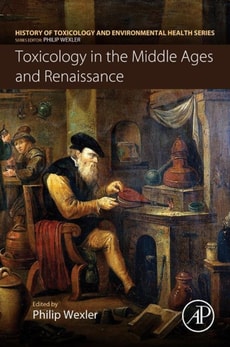
Toxicology in the Middle Ages and Renaissance provides an authoritative and fascinating exploration into the use of toxins and poisons in the Middle Ages and Renaissance.
High-yield flashcards cover must-know information for the Paramedic certification examMcGraw-Hill's Paramedic Flashcards offer a succint, comprehensive, and easy to carry review of the must-know concepts that students need to remember for their certification exam.
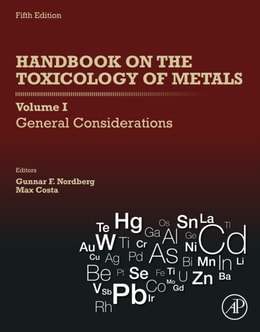
Handbook on the Toxicology of Metals, Fifth Edition, Volume I: General Considerations is the first volume of a two-volume work that gives an overview and covers topics of general importance including reviews of various health effects of trace metals.
Genomic and Precision Medicine: Infectious and Inflammatory Disease, Third Edition, provides current clinical solutions on the application of genome discovery on a broad spectrum of disease categories in IMD - including asthma, obesity and multiple sclerosis.
Pharmacogenomics: Challenges and Opportunities in Therapeutic Implementation, Second Edition, provides comprehensive coverage of the challenges and opportunities facing the therapeutic implications of pharmacogenomics from academic, regulatory, pharmaceutical, socio-ethical and economic perspectives.
Pharmacy Practice in Developing Countries: Achievements and Challenges offers a detailed review of the history and development of pharmacy practice in developing countries across Africa, Asia, and South America.
Single molecule techniques, including single molecule fluorescence, optical tweezers, and scanning probe microscopy, allow for the manipulation and measurement of single biological molecules within a live cell or in culture.
Genomic and Precision Medicine: Cardiovascular Disease, Third Edition, focuses on the applications of genome discovery on the broad spectrum of cardiovascular disorders.
Fighting Multidrug Resistance with Herbal Extracts, Essential Oils and their Components offers scientists a single source aimed at fighting specific multidrug-resistant (MDR) microorganisms such as bacteria, protozoans, viruses and fungi using natural products.
Clinical Pharmacology During Pregnancy, Second Edition is written for clinicians, physicians, midwives, nurses, pharmacists and other medical professionals involved in the care of women during pregnancy.
The Endocannabinoidome: The World of Endocannabinoids and Related Mediators is dedicated to the latest research and studies on endocannabinoids and cannabinoid receptors to illustrate their important role in the discovery of new, endocannabinoid-related, lipid mediators.
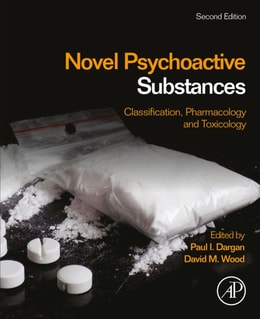
Novel Psychoactive Substances: Classification, Pharmacology and Toxicology, Second Edition provides readers with a comprehensive examination on the classification, detection, supply and availability of novel psychoactive substances, otherwise known as "e;legal highs.
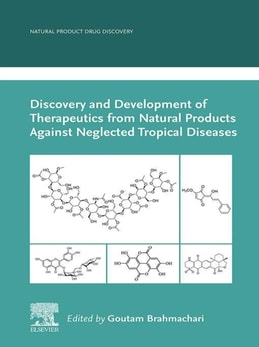
Discovery and Development of Therapeutics from Natural Products against Neglected Tropical Diseases draws together research on medicinal agents from natural sources as starting points for the design of drugs against Neglected Tropical Diseases (NTDs).
The Practical Guide to Clinical Research and Publication provides a comprehensive overview of the key foundations of epidemiology, statistics and epidemiological studies.
Volumes in this widely revered series present comprehensive reviews of drug substances and additional materials, with critical review chapters that summarize information related to the characterization of drug substances and excipients.
Cancer-Leading Proteases: Structures, Functions, and Inhibition presents a detailed discussion on the role of proteases as drug targets and how they have been utilized to develop anticancer drugs.
Drug-Induced Liver Injury, Volume 85, the newest volume in the Advances in Pharmacology series, presents a variety of chapters from the best authors in the field.
Electrocardiography of Laboratory Animals is the only book covering electrocardiography of laboratory animals, including dogs, mini-pigs, and cynomologus monkeys.
Forensic Toxicology, the latest release in the Advanced Forensic Science Series that grew out of recommendations from the 2009 NAS Report, Strengthening Forensic Science: A Path Forward will serve as a graduate level text for those studying and teaching forensic toxicology.