With the upsurge of information available for the medical management of urological conditions, Pharmacology in Urology offers an up-to-date and clinically relevant read.
With the upsurge of information available for the medical management of urological conditions, Pharmacology in Urology offers an up-to-date and clinically relevant read.
A concise, practical reference guide to support safe and confident medicines management, this is the first book written specifically for allied health professionals working in primary care.
This book provides an in-depth educational review of Dimethyl Sulfoxide (DMSO) and its utility in pharmaceutical drug development with specific focus on topical, parenteral, and biologics applications and formulations.
This book provides an in-depth educational review of Dimethyl Sulfoxide (DMSO) and its utility in pharmaceutical drug development with specific focus on topical, parenteral, and biologics applications and formulations.
This book explores the rapidly advancing field of gut–brain interactions, with a particular focus on the emerging evidence linking the gut microbiome to neurodegenerative diseases such as Alzheimer’s disease, Parkinson’s disease, cerebral palsy, and amyotrophic lateral sclerosis (ALS).
This book explores the rapidly advancing field of gut–brain interactions, with a particular focus on the emerging evidence linking the gut microbiome to neurodegenerative diseases such as Alzheimer’s disease, Parkinson’s disease, cerebral palsy, and amyotrophic lateral sclerosis (ALS).
Following in the tradition of popular previous editions, this book integrates the general principles of toxicology with a systematic characterization of the most important food toxicants.
A Clinician's Guide to ADHD in Women provides readers with a toolbox of strategic therapeutic approaches for diagnosing, treating, and working with women with ADHD.
Following in the tradition of popular previous editions, this book integrates the general principles of toxicology with a systematic characterization of the most important food toxicants.
A Clinician's Guide to ADHD in Women provides readers with a toolbox of strategic therapeutic approaches for diagnosing, treating, and working with women with ADHD.
The Handbook of Toxicology, Third Edition provides an updated practical reference source for practicing toxicologists in the pharmaceutical and chemical industries, contract laboratories, regulatory agencies, and academia.
Pharmaceutical Preformulation and Formulation: A Practical Guide from Candidate Drug Selection to Commercial Dosage Form reflects the mounting pressure on pharmaceutical companies to accelerate the new drug development and launch process, as well as the shift from developing small molecules to the growth of biopharmaceuticals.
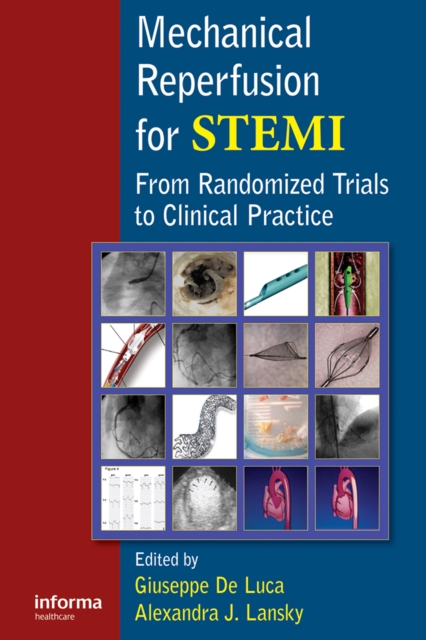
As a leading cause of death in developed countries, ST-segment elevation myocardial infarction and its various treatment options are of great concern to those in the cardiology field.
The Little Eye Book: A Pupil's Guide to Understanding Ophthalmology is an easy-to-understand introduction to the field of eye care that has been updated into a new Second Edition.
A complete revision of this successful pocketbook, the fourteenth edition of A Paediatric Vade-Mecum provides the junior doctor and trainee grade paediatrician with invaluable information on the diagnosis and management of illness in children, and with practical evidence-based advice for the safe and effective management of the sick child.
Pocket Guide to IBD, Second Edition is designed to provide quick clinical information for gastroenterologists, primary care physicians, physician assistants, and nurse practitioners who need to review symptoms, medications, and disease management, in order to decide effective diagnoses and treatments for their patients with IBD.
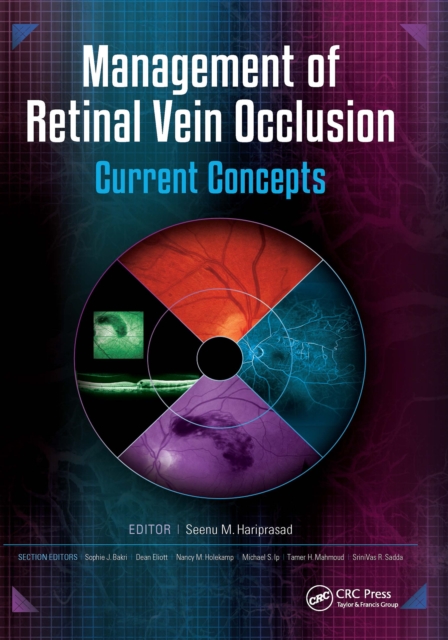
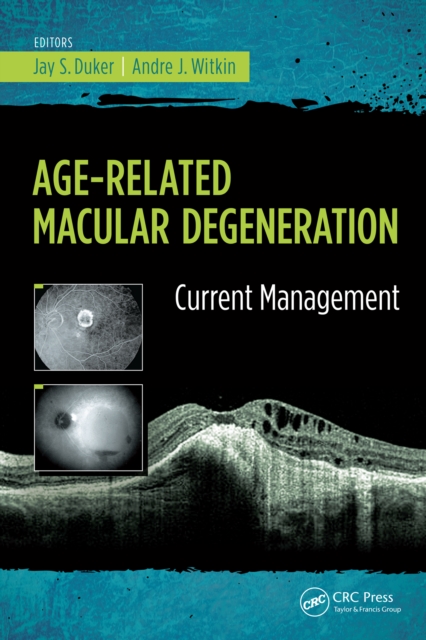
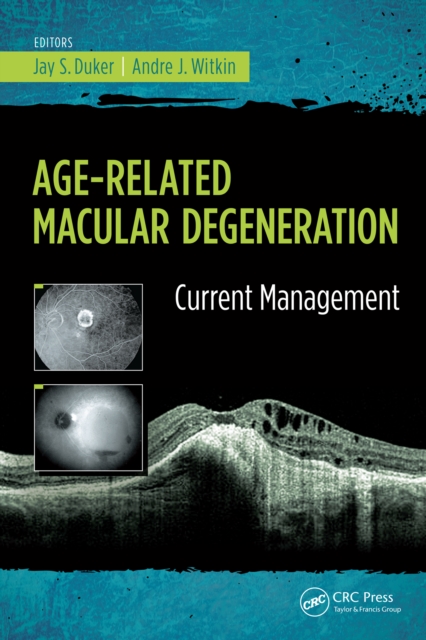
Retinal disease in general, and age-related macular degeneration (AMD) specifically, is of major interest worldwide due to the increasing aging population and the revolution in management of wet AMD over the past several years.
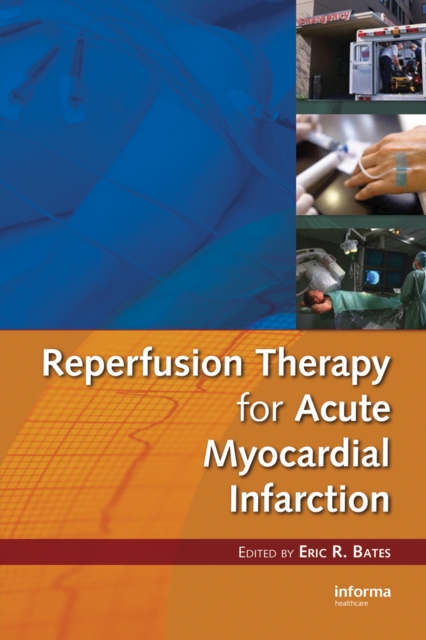
Reperfusion Therapy for Acute Myocardial Infarction provides a comprehensive review of reperfusion therapy for ST-segment elevation myocardial infarction (STEMI).
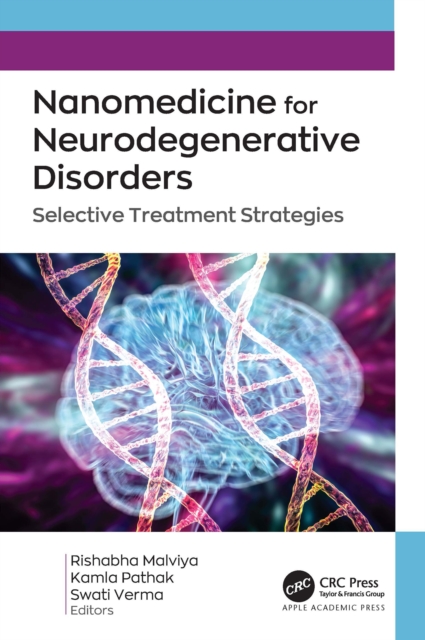
With the population getting older and with a corresponding increase in neurodegenerative diseases (NDs) worldwide, developing drug delivery systems that can overcome conventional barriers in treating these diseases is the need of the hour.
Principles of Pharmacology for Athletic Trainers, Third Edition continues the tradition of past editions to provide applications of pharmacological principles specifically aimed at the athletic trainer.
With the population getting older and with a corresponding increase in neurodegenerative diseases (NDs) worldwide, developing drug delivery systems that can overcome conventional barriers in treating these diseases is the need of the hour.
Many practitioners in the pharmaceutical industry are still largely unfamiliar with benefit-risk assessment, despite its growing prominence in drug development and commercialization.
Newly updated with the latest information on inflammatory bowel disease, Curbside Consultation in IBD: 49 Clinical Questions, Third Edition contains brief, practical, and evidence-based answers to the most frequently asked questions that are posed during a "e;curbside consultation"e; between surgical colleagues.
Pocket Guide to IBD, Second Edition is designed to provide quick clinical information for gastroenterologists, primary care physicians, physician assistants, and nurse practitioners who need to review symptoms, medications, and disease management, in order to decide effective diagnoses and treatments for their patients with IBD.
Retinal disease in general, and age-related macular degeneration (AMD) specifically, is of major interest worldwide due to the increasing aging population and the revolution in management of wet AMD over the past several years.
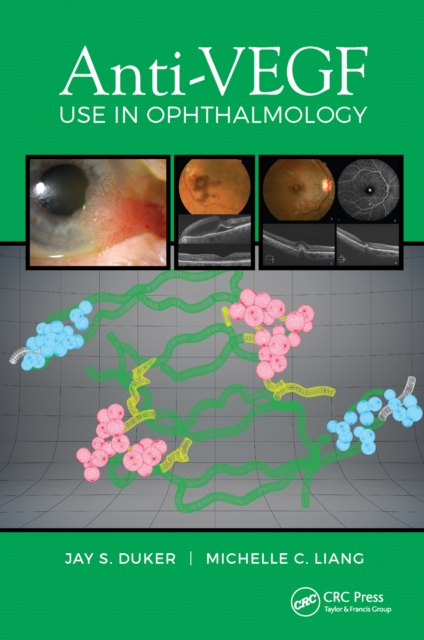
The introduction of anti-vascular endothelial growth factor (VEGF) agents has revolutionized therapy for a host of ocular diseases associated with leakage from normal blood vessels and pathologic blood vessel growth.