Genomic Biomarkers for Pharmaceutical Development: Advancing Personalized Health Care provides an in-depth review of the state of translational science across all stages of pharmaceutical development with a special focus on personalized health care.
Genomic Biomarkers for Pharmaceutical Development: Advancing Personalized Health Care provides an in-depth review of the state of translational science across all stages of pharmaceutical development with a special focus on personalized health care.
Translational Medicine: Tools and Techniques provides a standardized path from basic research to the clinic and brings together various policy and practice issues to simplify the broad interdisciplinary field.
Formulation is a key step in the drug design process, where the active drug is combined with other substances that maximise the therapeutic potential, safety, and stability of the final medicinal product.
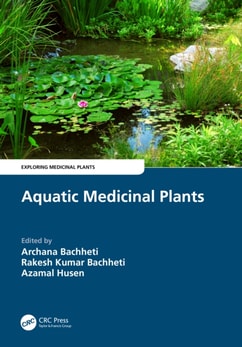
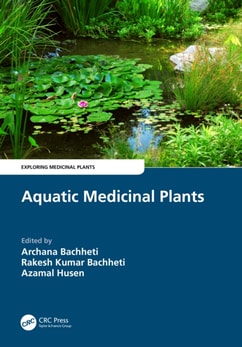
The use of medicinal plants in herbal and modern medicine has gained popularity over the last few decades due to consumers taking more natural approaches to medicine.
Adults ages 65+: Your medication could be the reason for your new medical condition; read this eye-opening guide to become an expert on what medications you take!
This book summarizes the broad and rapidly evolving field of geriatric pharmacotherapy, which is becoming increasingly relevant for practicing physicians who care and prescribe medications for older patients.
This book summarizes the broad and rapidly evolving field of geriatric pharmacotherapy, which is becoming increasingly relevant for practicing physicians who care and prescribe medications for older patients.
Toxische Stoffe sind ubiquitär und auf Grund hochempfindlicher Analysenmethoden in allen umweltrelevanten Matrices, biologischen Materialien und Lebensmitteln nachweisbar.
Longlisted for the Andrew 2024 Carnegie Medal for Non-FictionThe shocking, never-before-told story of America's thalidomide victimsIn Germany on Christmas Day 1956 a baby girl was born without ears.
Arzneimittel-Nebenwirkungen als solche zu erkennen, dem ursächlichen Medikament zuzuordnen und wenn nötig daraufhin richtig zu reagieren, sind essenzielle Bestandteile des pharmazeutischen Medikationsmanagements – sei es in der Apotheke oder in der Klinik.
With a focus on the unique cultural and ecological of aspects of Thailand, this latest title in the popular series, Natural Products Chemistry of Global Plants, offers invaluable insights for researchers and healthcare professionals interested in exploring the potential of Thai herbal medicines in the broader context of global health and wellness.
This book presents the role of nanoparticles in cancer therapy, emphasizing their innovative applications across treatment, diagnosis and the development of therapeutic strategies.
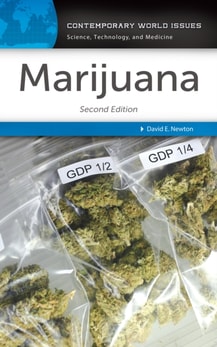
This single-volume resource provides sound, up-to-date information and authoritative resources for research on the controversial topics of the use of marijuana for medical and recreational purposes and the effects of marijuana use on society.
MULTI-DRUG RESISTANCE IN CANCER The book details the mechanisms underlying multi-drug cellular resistance and the targets of novel chemotherapeutic agents.
The use of medicinal plants in herbal and modern medicine has gained popularity over the last few decades due to consumers taking more natural approaches to medicine.
Researchers, program administrators, and practicing clinicians explain the most recent developments in using psychedelic substances to treat psychological, physiological, and social problems.
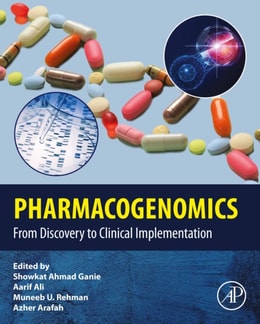
Pharmacogenomics: From Discovery to Clinical Implementation is a complete reference aimed at building a solid foundation of the key concepts in this fast-moving knowledge area.
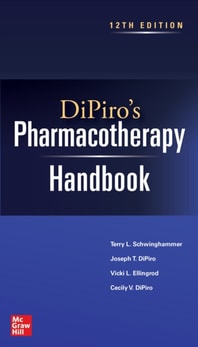
The drug information you need to pass the boards and make effective drug therapy decisions-all in one convenient portable guideExpertly written and easy to read, Pharmacotherapy Handbook delivers key content for students studying for their boards, and it offers the essential information required for effective clinical practice.
The drug information you need to pass the boards and make effective drug therapy decisions-all in one convenient portable guideExpertly written and easy to read, Pharmacotherapy Handbook delivers key content for students studying for their boards, and it offers the essential information required for effective clinical practice.
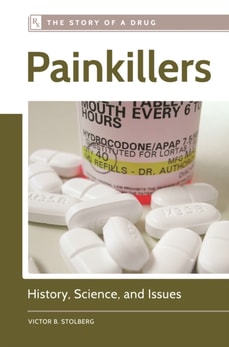
This accessible, easy-to-read book provides readers with different perspectives on the subject of painkillers, examining their history, production, uses, and dangers.
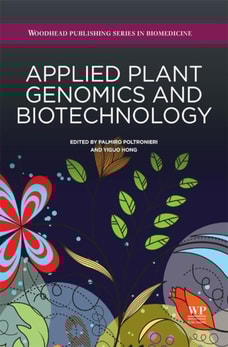
Applied plant genomics and biotechnology reviews the recent advancements in the post-genomic era, discussing how different varieties respond to abiotic and biotic stresses, investigating epigenetic modifications and epigenetic memory through analysis of DNA methylation states, applicative uses of RNA silencing and RNA interference in plant physiology and in experimental transgenics, and plants modified to produce high-value pharmaceutical proteins.
Applied plant genomics and biotechnology reviews the recent advancements in the post-genomic era, discussing how different varieties respond to abiotic and biotic stresses, investigating epigenetic modifications and epigenetic memory through analysis of DNA methylation states, applicative uses of RNA silencing and RNA interference in plant physiology and in experimental transgenics, and plants modified to produce high-value pharmaceutical proteins.
With Generic Alternatives to Prescription Drugs, consumers will be able to: - Quickly identify generic alternatives to brand-name prescription drugs- Compare high-priced brand drugs to lower-cost generic medicines- Reduce out-of-pocket costs for prescription drugs- Learn tips for communicating more effectively with doctors and pharmacists
Polymer-Drug Conjugates: Linker Chemistry, Protocols and Applications discusses important concepts, fundamentals and prospective applications of 'Linker Chemistry' in a clear-and-concise manner.
Polymer-Drug Conjugates: Linker Chemistry, Protocols and Applications discusses important concepts, fundamentals and prospective applications of 'Linker Chemistry' in a clear-and-concise manner.
This detailed volume brings together a diverse collection of stem cell-derived model-based toxicity assays, from those routinely used to those deemed to have considerable potential.