Although psychiatrists and other mental health clinicians interested in sports practice already have the necessary general skills to help competitive athletes deal with adversity and the multitude of emotions that sports can elicit, most typically they lack the sports-specific knowledge necessary to truly help these patients and clients.
The American Board of Psychiatry and Neurology: Looking Back and Moving Ahead honors the 75th anniversary of the ABPN by reviewing the Board's history and evolution, describing the subspecialties and the role that certification plays in their practice, explaining the current status of the ABPN's programs, and exploring future directions.
The Evidence-Based Guide to Antipsychotic Medications is designed to provide both clinicians and residents with focused, comprehensive, and clinically relevant information regarding the use of antipsychotic medications to treat a broad range of psychiatric conditions -- from mood and anxiety disorders to substance abuse, personality disorders, and schizophrenia.
A growing body of clinical and experimental evidence shows that neurocognitive dysfunction is a fundamental -- yet frequently ignored or misidentified -- component of bipolar disorder.
As more patients seek information about family risks of psychiatric illness -- an interest likely to increase as gene-identification studies are publicized -- most psychiatrists agree it is their role to discuss these issues but admit they are ill-prepared to do so.
Because physicians are shaped by the expectations and responsibilities of their profession and are especially susceptible to stress and illness, professionals treating them need to be attuned to a host of demands and considerations not applicable to other patients.
The practice of medicine is both learned and advanced through the compilation and study of cases -- vignettes that record the presentation, diagnosis, and treatment of individual patients and diseases.
The Clinical Manual for Evaluation and Treatment of Sleep Disorders is the first clinical text devoted solely to the diagnosis and treatment of sleep disorders that is both comprehensive and conveniently portable.
Mentalizing, the fundamental human capacity to understand behavior in relation to mental states such as thoughts and feelings, is the basis of healthy relationships and self-awareness.
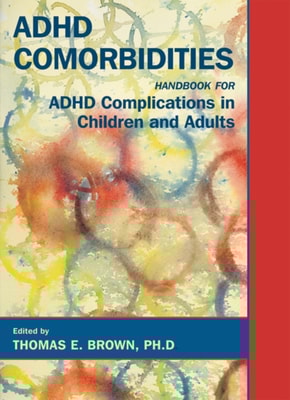
Many books address various aspects of ADHD -- but ADHD Comorbidities: Handbook for ADHD Complications in Children and Adults is the only one that covers the multiple ways in which ADHD is complicated by other psychiatric and learning disorders in both children and adults.
Ethics, Culture, and Psychiatry: International Perspectives is a textbook that explores the best ways to promote the use of the Declaration of Madrid, which outlines ethical standards for psychiatric practice throughout the world.
Complementary and Alternative Medicine and Psychiatry will start psychiatrists and other mental health professionals on the journey toward a more complete understanding of the most common CAM treatments in use today.
The history of psychiatry is complex, reflecting diverse origins in mythology, cult beliefs, astrology, early medicine, law religion, philosophy, and politics.
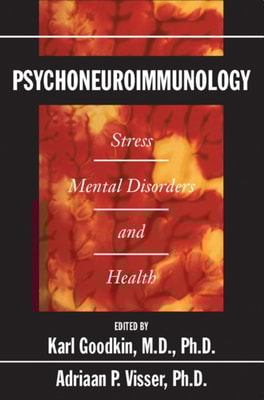
Psychoneuroimmunology has emerged as a discipline advancing our knowledge of the relationships among psychosocial factors, the central nervous system, the immune system, and disease.
In the ongoing quest to improve our psychiatric diagnostic system, we are now searching for new approaches to understanding the etiological and pathophysiological mechanisms that can improve the validity of our diagnoses and the consequent power of our preventive and treatment interventions -- venturing beyond the current DSM paradigm and DSM-IV framework.
Over the last three decades, the visibility -- and public acceptance -- of self-identified lesbian women and gay men and bisexual and transgender individuals has increased dramatically, making it more important than ever to understand the dynamics of their relationships.
Neuroleptic malignant syndrome (NMS) and other hyperthermic conditions are rare complications of antipsychotic drugs that can cause discomfort, disability, and even death.
Concise Guide to Anxiety Disorders summarizes the latest research and translates it into practical treatment strategies for the best clinical outcomes.
Ideal for both novices and advanced practitioners, the new edition of Stanley Greenspan's classic guide outlines a practical process for observing and interviewing children -- and organizing and interpreting their unfolding communications.
In this authoritative volume you'll find today's most important molecular neurobiological advances and their relevance to clinicians treating patients with mental illness.
Traumatic Dissociation: Neurobiology and Treatment offers an advanced introduction to this symptom, process, and pattern of personality organization seen in several trauma-related disorders, including acute stress disorder, posttraumatic stress disorder (PTSD), and the dissociative disorders.
Research Advances in Genetics and Genomics: Implications for Psychiatry introduces mental health professionals to exciting breakthroughs in endophenotypes, animal models, microarrays, and genetic mapping, as well as general strategies for identifying the genetic mechanisms of mental illnesses.
Seeking to integrate the large volume of clinical research on relational processes and mental health disorders with other scientific advances in psychiatry, Relational Processes and DSM-V builds on exciting advances in clinical research on troubled relationships.
Recognizing that favorable clinical outcomes are associated with earlier initiation of treatment -- and even more ideally with prevention -- this volume addresses the current status of early intervention in, and prevention of, major mental and substance use disorders.
Psychiatric Genetics is a concise reference that presents the complexities of this dynamic field in a clearly written, easily accessible format, with numerous tables and illustrations.
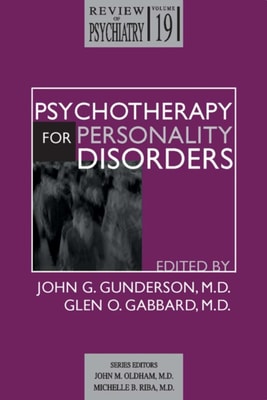
Determining the amenability of personality disorders to psychotherapy -- a patient's capacity to benefit from verbal approaches to treatment -- is important in helping clinicians determine the treatability of cases.
Mood and Anxiety Disorders During Pregnancy and Postpartum earns its important place in the literature by detailing our current understanding of the course, diagnosis, and treatment of psychiatric illness during pregnancy and postpartum, including breast-feeding -- a top priority today because we now know that active maternal psychiatric illness during pregnancy and postpartum can exert long-term negative effects on child development and cause significant morbidity for the mother.
Organized for ease of use by today's busy mental health clinicians, Menopause: A Mental Health Practitioner's Guide describes the latest knowledge and clinical recommendations associated with menopause in a single, concise guide that is clearly written and comprehensive in scope.
Compiled from presentations given at the 2004 American Psychopathological Association (APPA) annual meeting, Medical and Psychiatric Comorbidity Over the Course of Life reviews the comorbidity of mental and chronic physical syndromes in an epidemiological and life course context, offering fresh insights and identifying crucial clues -- gleaned from the overlapping areas or areas of mutual pathogenesis linking disparate realms of knowledge -- to the etiology and nosological distinctiveness of both physical and mental disorders.
Handbook of Essential Psychopharmacology, Second Edition, provides an indispensable guide to vital information in the rapidly expanding field of psychopharmacology.
The definitive treatment textbook in psychiatry, this fifth edition of Gabbard's Treatments of Psychiatric Disorders has been thoroughly restructured to reflect the new DSM-5(R) categories, preserving its value as a state-of-the-art resource and increasing its utility in the field.