Reflecting tremendous gains over the past decade in our understanding of the causes of autism, Clinical Manual for the Treatment of Autism meets the increasing need for clear, up-to-date, and evidence-based treatment.
Anxiety disorders are among the most prevalent, persistent, disabling, and costly psychiatric disorders, yet they are often underdiagnosed and undertreated.
The first book to focus on measuring the basic processes of mental healthcare, such as access, detection, treatment appropriateness, safety and continuity of care, Improving Mental Healthcare: A Guide to Measurement-Based Quality Improvement integrates practical information about quality measures -- such as their clinical logic, validity and basis in scientific evidence -- into a highly readable guide on how to implement measures and use the results to improve quality of care.
The multidisciplinary field of developmental psychobiology has uncovered new findings in behavioral progressions that have led to exciting avenues for therapeutic intervention.
Manual of Psychiatric Care for the Medically Ill delivers a practical approach to accurate psychiatric diagnosis and treatment in the medical-surgical setting.
In today's world of litigation and managed care, informed consent in psychiatric practice is more important than ever and providing detailed information about illnesses and medications to patients and their families is vital to informed consent.
Advancing the Research Agenda for DSM-V, Diagnostic Issues in Dementia comprises nine chapters with research suggestions for consideration for the upcoming DSM-V process, reflecting the nascent effort toward a new diagnostic nomenclature in the still rapidly evolving field of dementia.
Inviting the help of colleagues worldwide, the concise Diagnostic Issues in Substance Use Disorders is part of the new series Advancing the Research Agenda for DSM-V.
Written to help identify major gaps in our knowledge of how gender and age affect psychiatric diagnoses and to stimulate much-needed research to fill these gaps, Age and Gender Considerations in Psychiatric Diagnosis serves as both a valuable short-term source for the DSM-V Task Force and its disorder-specific workgroups, and a long-term guide for future studies that will contribute to revised psychiatric classifications in these three areas.
While recognizing the multidisciplinary nature of pain management, the Clinical Manual of Pain Management in Psychiatry focuses on the role of mental health practitioners in evaluation and assessment, pharmacological management, psychotherapeutic interventions, and comprehensive treatment planning.
Packed with practical advice from experts, and based on the editor's many years of organizing career seminars for psychiatric residents, Entering Private Practice: A Handbook for Psychiatrists offers a comprehensive curricular approach -- highlighted throughout by user-friendly forms, samples, and checklists -- to setting out on a career in private practice.
DSM-IV and ICD-10 both diagnose personality disorders categorically, yet studies indicate that many patients meet criteria for an excessive number of diagnoses, raising the question of whether personality disorders are discrete conditions or rather distinctions along dimensions of general personality functioning.
Depression and Personality: Conceptual and Clinical Challenges offers an intriguing new look at where we are in understanding the relationship between personality dimensions, disorders, and mood disorder.
Child psychiatrists and psychologists, clinical nurses, social workers, and other mental health practitioners working in the public sector -- where limited funds, poverty, social environments, and bureaucracy add to the daily challenges -- can now turn to Community Child and Adolescent Psychiatry for approaches and insights to make their work easier and more productive.
A case-based, clinical guide applicable to a variety of settings, this book offers evidence-based expert advice on the difficult challenges inherent in working with underserved homeless populations.
Despite works published as recently as 2002, the continuing rapid evolution of new medications and adjunctive psychosocial interventions for bipolar disorder has made the concise Advances in Treatment of Bipolar Disorder essential for today's clinicians who want to stay abreast of the latest developments in treating this complex and challenging mental illness.
Children with nonverbal learning disabilities (NVLD) have needs that can take many forms and may, over time, require consultation and collaboration with professionals from several fields.
With examinations of 19 new psychiatric drugs, 19 new forms of previously available drugs, and a host of new medical agents, this third edition of the Clinical Manual of Psychopharmacology in the Medically Ill has been updated to include medical and psychiatric drugs that have become available since the publication of the second edition in 2017, as well as recent relevant randomized controlled trials, systematic reviews, and meta-analyses.
Dieses Buch untersucht die besten verfügbaren empirischen Beweise für eine der schwierigsten und allgegenwärtigsten Fragen in allen Zeitaltern, Kulturen und Religionen: das Überleben des menschlichen Bewusstseins nach dem Tod.
Gain insight into crucial British mental health approaches for LGB individualsThere is very little collaborative literature between LGB-affirmative psychologists and psychotherapists in the United States and the United Kingdom.
"e;Reading the book Spiritual Competency in Psychotherapy was like having a series of extended conversations with a good friend about what really matters in psychotherapy and life.
Interweaves the perspectives of school counseling educators with those of practitioners in the trenchesThis foundational text for school counselors-in-training is the only book to have chapters coauthored by counselor educators and practicing school counselors.
Distinguished by its use of real-world case examples to help students link DSM-5 criteria with client symptomsThis practical casebook for graduate-level programs in mental health masterfully demonstrates how to put the DSM-5 into practice.
Thoroughly updated to correlate with DSM-5 diagnostic descriptions and QSEN guidelines, the second edition of this highly acclaimed undergraduate psychiatric nursing text features concrete strategies for establishing interpersonal relationships as the basis not only for working with the psychiatric patient population, but as a timeless foundation for all nursing practice.
"e;Problem-Solving Therapy: A Treatment Manual is a laudable and distinctive resource that contributes to contemporary and exemplary psychotherapy in a big way.
In Accidental Intolerance, Susan Hawthorne argues that in the past few decades, our medical, scientific, and social approaches to ADHD have jointly -- but unintentionally-reinforced intolerance of ADHD-- diagnosed people.
Late-Life Depression and Anxiety is a cornerstone resource for clinicians who want to provide adults with late-life depression and anxiety the support they need to live better lives and to prevent suicide in this population.
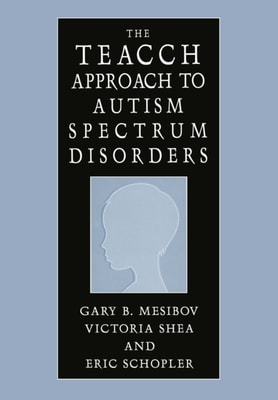
TEACCH (Treatment and Education of Autistic and related Communication-handicapped CHildren) has grown over the past three decades from a small clinic for children to an internationally recognized treatment and support modality for individuals of all ages with autism spectrum disorders.
The use of recreational drugs of abuse by large numbers of individuals in this country and abroad has aroused serious concerns about the consequences of this activity.