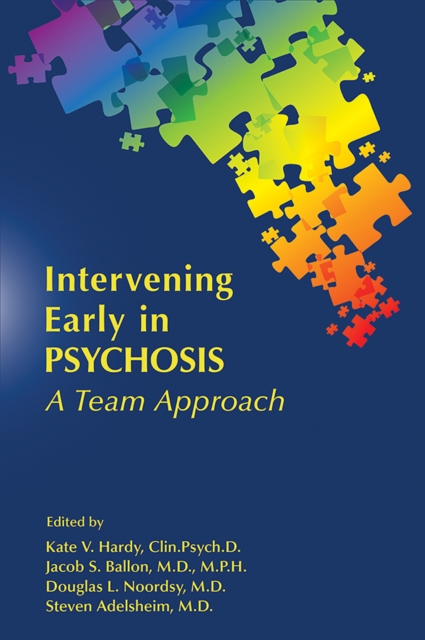
A growing body of both research and clinical experience confirms that intervening early in the progression of psychotic symptoms may delay or even prevent the movement toward more serious psychiatric illness.
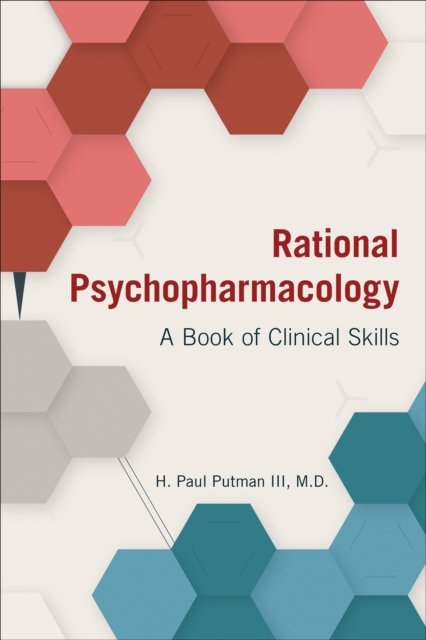
Each chapter of Rational Psychopharmacology: A Book of Clinical Skills is designed to advance the reader's clinical knowledge, methodical assessment expertise, and diagnostic sophistication.
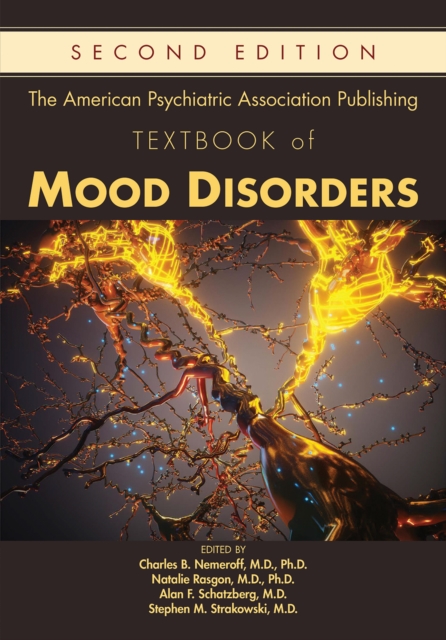
This new edition of The American Psychiatric Association Publishing Textbook of Mood Disorders is a systematic and painstaking reconceptualization of its predecessor.
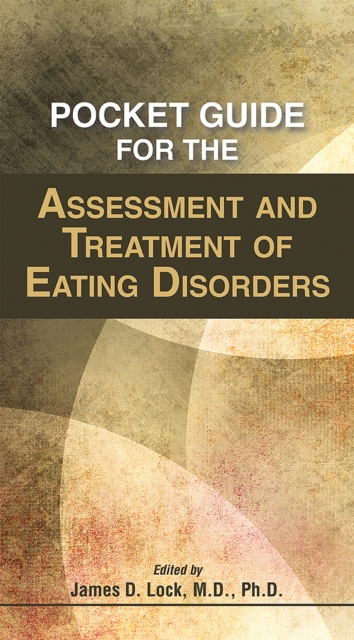
An exceptionally practical book for clinicians who are interested in evaluating and treating eating disorders in children and adults, Pocket Guide for the Assessment and Treatment of Eating Disorders, provides expert guidance in a succinct and accessible format.
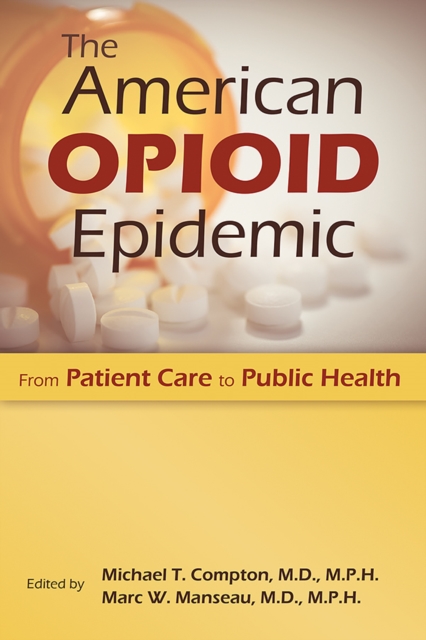
The American Opioid Epidemic: From Patient Care to Public Health provides practicing psychiatrists, trainees, and other mental health professionals with the latest information on opioid addiction, including misuse of heroin and other illicit opioids, the role of prescription analgesic opioids, and recent overdose trends.
Trusting in Psychotherapy is an important book that fills a lamentable void: although virtually everyone-therapists, students, and patients alike-believes that trust is the foundation of psychotherapy, the topic has been neglected in the psychiatric literature, to the detriment of the therapeutic relationship.
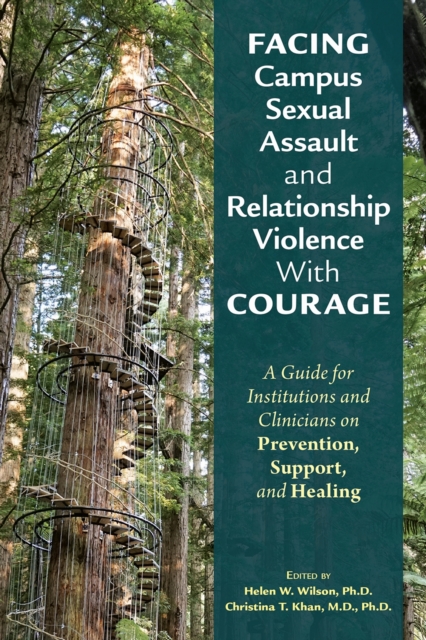
Although precise figures are difficult to ascertain, surveys suggest that approximately 20%-25% of female-identified and 5%-10% of male-identified college students experience sexual assault, and 10% of all students experience psychological or physical abuse by an intimate partner.
Designed for interviewers at all levels of experience, The Pocket Guide to the DSM-5-TR Diagnostic Exam is the clinician's companion for using DSM-5-TR in diagnostic interviews.
Student Mental Health: A Guide for Psychiatrists, Psychologists, and Leaders Serving in Higher Education is the result of a sustained and multidisciplinary collaboration of scholars, leaders, clinicians, and educators who are deeply committed to student health and well-being.
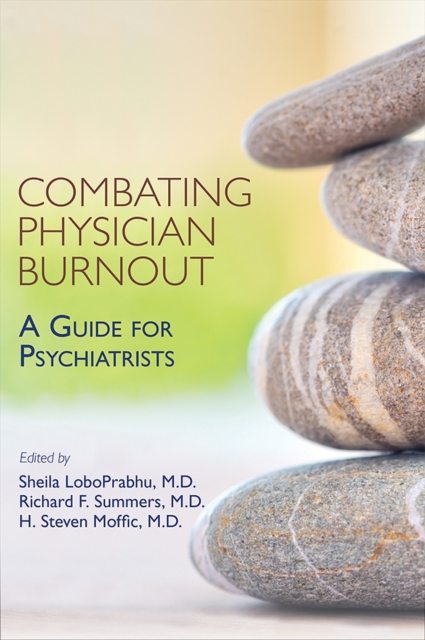
By any metric, burnout is a pressing issue in medicine generally and psychiatry specifically -- particularly because of its potential impacts on patient care.
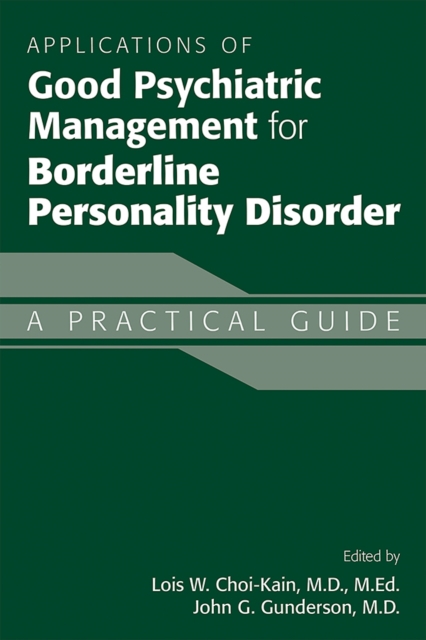
Practitioners encounter patients with borderline personality disorder (BPD) with surprising frequency; indeed, 1 in 10 emergency room visits and 1 in 20 primary care appointments are estimated to involve people with BPD.
Animal models of schizophrenia and other major psychiatric disorders have been sought for decades, and, as a result, we are now facing new vistas on pathophysiology that could lead to novel therapeutic approaches and even hint at possible preventive strategies.
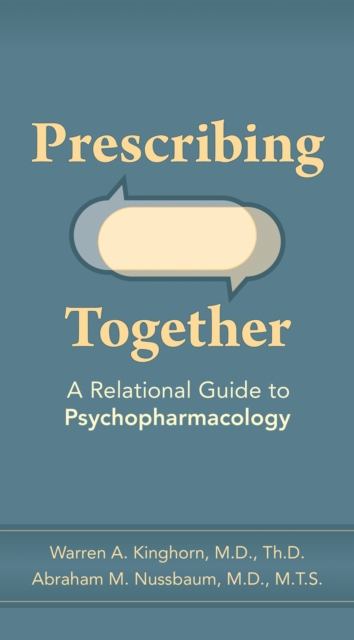
What if, rather than acting only as dispensers of medication, mental health clinicians and primary care clinicians treating mental disorders were also collaborators with patients in the prescribing relationship?
Readers of the best-selling Introductory Textbook of Psychiatry, Seventh Edition-the seminal primer on the field-can now test their knowledge with this companion study guide.
The growth of the field of eating disorder research has led to a vast array of empirical articles, and the development of new animal models that can be used to study these disorders continues to stimulate new research.
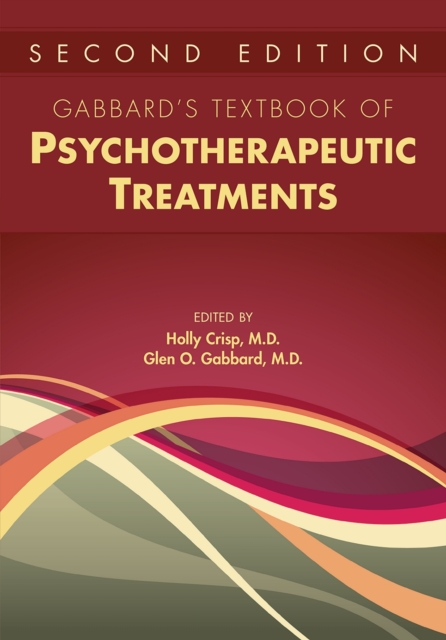
For many years, the general rule of thumb in psychoanalysis and psychodynamic psychotherapy has been to refrain from focusing too much on specific symptoms or problems so as to not interfere with free association or the effectiveness of the psychoanalytic approach.
More than 40 years after the official recognition of infantile autism in DSM-III, numerous questions remain about autism spectrum disorder (ASD)-its possible causes, assessment, and most effective treatments.
Aggression: Clinical Features and Treatment Across the Diagnostic Spectrum addresses the role aggression plays in intermittent explosive disorder (IED), referred to as "e;primary aggression,"e; and in a host of other psychiatric disorders -- from autism to posttraumatic stress.
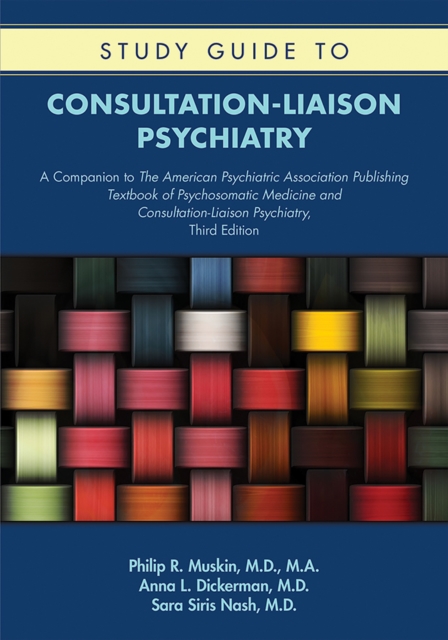
Study Guide to Consultation-Liaison Psychiatry is a question-and-answer companion that allows you to evaluate your mastery of the subject matter as you progress through The American Psychiatric Association Publishing Textbook of Psychosomatic Medicine and Consultation-Liaison Psychiatry, Third Edition.
In Treatment of Severe Personality Disorders: Resolution of Aggression and Recovery of Eroticism, the influential psychoanalyst and psychiatrist Otto Kernberg presents an integrated update of the current knowledge of personality disorders, their neurobiological and psychodynamic determinants, and a specific psychodynamic psychotherapy geared to resolve the psychopathology of these conditions -- namely, the syndrome of identity diffusion and its influence on the capacity for emotional wellbeing and gratifying relationships with significant others.
Societal awareness of transgender and gender-nonconforming (TGNC) individuals is greater now than at any point in history, owing to the education of policy makers by advocacy organizations, the education of clinicians by research and scientific organizations, and the education of the general public by movies, television, and other media.
Although data exist to support the notion that physician self-care is correlated with patient care, the culture of medicine has traditionally valued the ideals of self-sacrifice and perfectionism -- often to the detriment of clinicians themselves.
As with the first two editions, this third edition of The American Psychiatric Association Publishing Textbook of Psychosomatic Medicine and Consultation-Liaison Psychiatry is the most comprehensive reference on the subspecialty available.
Prenatal Alcohol Exposure: A Clinician's Guide provides comprehensive, clinically relevant information for mental health practitioners and professionals in educational, vocational, legal, child welfare, and correctional settings who may encounter individuals with a "e;hidden disability"e; that compromises their success in career, family, and life.
Gambling Disorder: A Clinical Guide to Treatment is a systematic, eloquent, and exhaustive examination of the etiology, psychopathology, neurobiology, and treatment of the disorder, which was reclassified for DSM-5.
Despite the importance of supervision to the field of mental health -- it is a building block of learning and a fundamental stepping-stone to unsupervised practice -- most mental health supervisors receive little to no training in how to supervise.
The experienced editors of Practical Strategies in Geriatric Mental Health: Cases and Approaches recognize that older patients can pose unique challenges to general practitioners working outside this specialty, and that the shortage of geriatric mental health specialists makes the creation of trustworthy, user-friendly resources more critical than ever.
The most current, comprehensive work available to date, the Textbook of Antisocial Personality Disorder is the definitive source of information on this difficult and often poorly understood and underdiagnosed disorder.
Late-Life Depression and Anxiety is a cornerstone resource for clinicians who want to provide adults with late-life depression and anxiety the support they need to live better lives and to prevent suicide in this population.
The number of geriatric psychiatrists, specialty fellowships, and practices has been declining relative to the increase in the number of older adults in the United States; critical shortages in care are the new norm.
New high throughput techniques in neuroscience and psychiatry have enhanced the development of experimental, customizable animal models that are predictive of human neuropsychiatric pathology and give vital insights on the mechanisms and pathways involved.
The COVID-19 pandemic has had a disproportionate impact on older adults with mental illness, and Geriatric Mental Health Care was conceived in response.
The Psychiatric Evaluation and Treatment of Refugees is designed to provide mental health clinicians with the foundational knowledge and skills they need to diagnose and treat refugees, who are disproportionately likely to suffer from posttraumatic stress disorder and psychosis in the short term and depression and anxiety in the long term.
Over the course of more than two decades and five previous editions, The American Psychiatric Association Publishing Textbook of Geriatric Psychiatry has established itself as a foundational resource in the field.
For nearly 30 years, the Concise Guide to Neuropsychiatry and Behavioral Neurology has been an indispensable companion for clinicians caring for patients struggling with everything from delusions and hallucinations to aphasia and stroke.
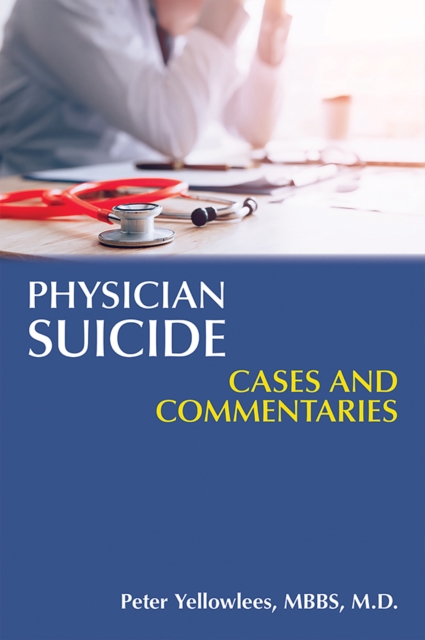
Physician Suicide examines the multiple risk factors that account for the higher rates of burnout, depressive symptoms, and suicide risk physicians experience compared with the general population.
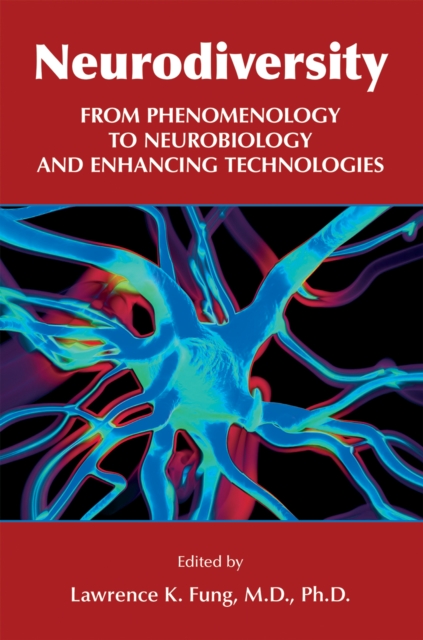
Neurodiversity: From Phenomenology to Neurobiology and Enhancing Technologies is an introduction to the strengths-based model of neurodiversity (SBMN), designed to integrate and build on existing theories of positive psychology, positive psychiatry, multiple intelligences, and developmental psychology and to apply them to devise strengths-based assessments and interventions for neurodiverse individuals.
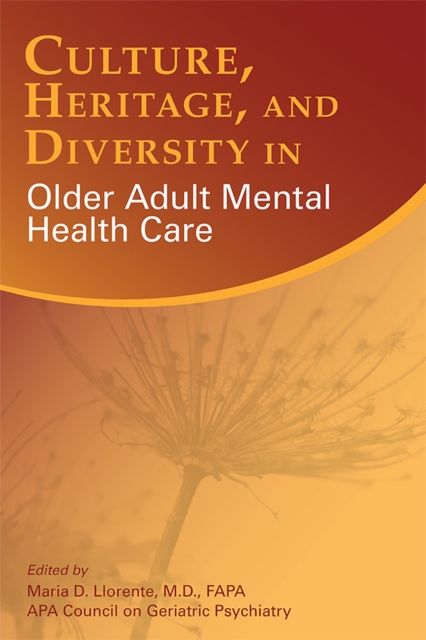
Health care organizations are beginning to recognize the importance of cultural competence as it relates to efficiency, quality, and equity in the delivery of care within a competitive health care market, and Culture, Heritage, and Diversity in Older Adult Mental Health Care is designed to train mental health clinicians to deliver culturally sensitive care to an increasingly diverse patient population.