The American Psychiatric Publishing Textbook of Alzheimer Disease and Other Dementias is an up-to-date and comprehensive overview of dementia for psychiatrists and other health care practitioners who deal with cognitively impaired adults in outpatient, inpatient, and long-term care settings.
Clinical Manual of Neuropsychiatry focuses on the assessment, diagnosis, and treatment of the full spectrum of neuropsychiatric disorders, as well as those conditions that have significant neuropsychiatric components.
The second book in the Evidence-Based Guides series, The Evidence-Based Guide to Antidepressant Medications, provides a clear reference to the current knowledge and evidence base for the use of antidepressants among a variety of patients across a wide range of disorders.
Psychiatry Review and Canadian Certification Exam Preparation Guide is the first exam preparation text intended specifically for candidates taking the Royal College of Physicians and Surgeons of Canada (RCPSC) psychiatry examination.
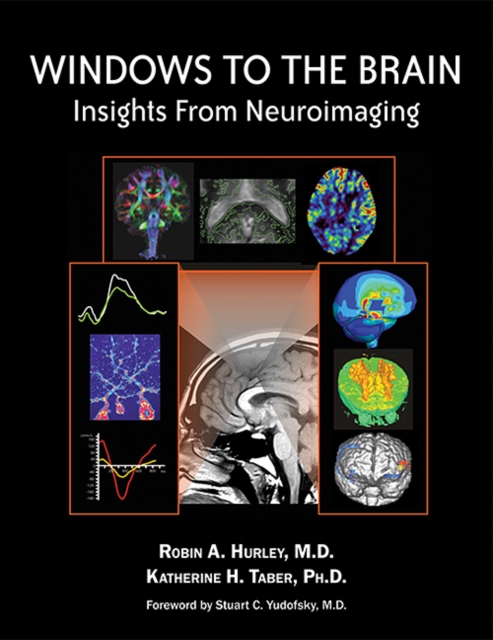
Windows to the Brain is the only book to synthesize neuroanatomical and imaging research as it pertains to selected neuropsychiatric diseases, containing all of the "e;Windows to the Brain"e; papers published from 1999-2006 in the Journal of Neuropsychiatry and Clinical Neurosciences.
In recent years, considerable research, as well as clinical guidelines based on study findings, has been published on the treatment of posttraumatic stress disorder (PTSD).
Compiled from presentations given at the 2004 American Psychopathological Association (APPA) annual meeting, Medical and Psychiatric Comorbidity Over the Course of Life reviews the comorbidity of mental and chronic physical syndromes in an epidemiological and life course context, offering fresh insights and identifying crucial clues -- gleaned from the overlapping areas or areas of mutual pathogenesis linking disparate realms of knowledge -- to the etiology and nosological distinctiveness of both physical and mental disorders.
A case-based, clinical guide applicable to a variety of settings, this book offers evidence-based expert advice on the difficult challenges inherent in working with underserved homeless populations.
This comprehensive update of the popular second edition of the authors' Concise Guide to Women's Mental Health provides the latest evidence-based medical and psychiatric facts related to the assessment and treatment of women with psychiatric disorders -- particularly as women pass through reproductive transitions or experience hormonal challenges -- reviewing the ways in which these times are integral to gender-sensitive case formulations, diagnoses, and treatment planning.
Every practitioner today will welcome the Handbook of Medicine in Psychiatry as the first realistic, evidence-based overview of medicine for psychiatrists in training or practice because it is * Written to address the lack of empirical data showing how the type of medical knowledge acquired through traditional psychiatric residency training can be used in the psychiatric setting.
The Clinical Manual for Evaluation and Treatment of Sleep Disorders is the first clinical text devoted solely to the diagnosis and treatment of sleep disorders that is both comprehensive and conveniently portable.
Despite growing awareness in the psychiatric community of the multifaceted medical needs of the severely mentally ill, statistics show that as much as 60% of all schizophrenia patients die prematurely from nonpsychiatric medical conditions -- in part because many physicians have not yet recognized how to properly treat common diseases and illnesses within this complex patient population.
The Clinical Manual of Psychosomatic Medicine, both educates psychiatrists and mental health professionals practicing in hospital settings about the relationship between physiological processes and psychological and behavioral factors and arms them with the evidence they need to inform hospital administrators about the value of the services they render.
Solomon Snyder has been instrumental in the establishment of modern psychopharmacology -- as a pioneer in the identification of receptors for neurotransmitters and drugs and in the explanation of the actions of psychotropic agents.
Traumatic Dissociation: Neurobiology and Treatment offers an advanced introduction to this symptom, process, and pattern of personality organization seen in several trauma-related disorders, including acute stress disorder, posttraumatic stress disorder (PTSD), and the dissociative disorders.
Research Advances in Genetics and Genomics: Implications for Psychiatry introduces mental health professionals to exciting breakthroughs in endophenotypes, animal models, microarrays, and genetic mapping, as well as general strategies for identifying the genetic mechanisms of mental illnesses.
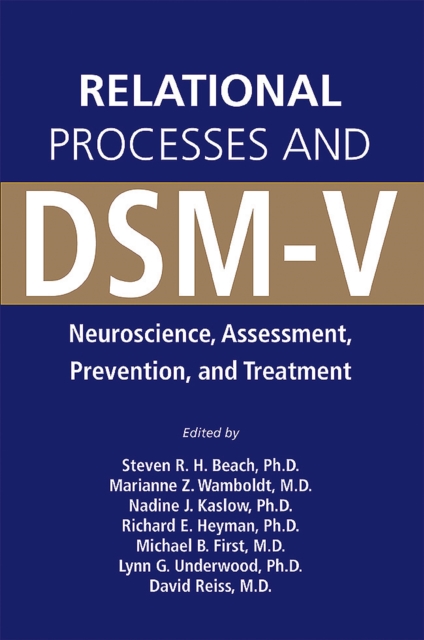
Seeking to integrate the large volume of clinical research on relational processes and mental health disorders with other scientific advances in psychiatry, Relational Processes and DSM-V builds on exciting advances in clinical research on troubled relationships.
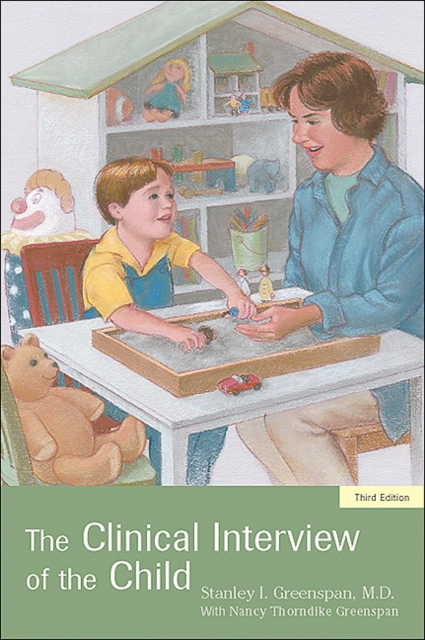
Ideal for both novices and advanced practitioners, the new edition of Stanley Greenspan's classic guide outlines a practical process for observing and interviewing children -- and organizing and interpreting their unfolding communications.
In the 7 years since the first edition of Clinical Manual of Geriatric Psychopharmacology was published, dozens of new drugs have been released, and older medications have been marketed in different formulations.
A practical and comprehensive guide to fostering behavioral and emotional health in cancer patients - from one of the world's leading cancer treatment centersReflecting the collective expertise of more than forty contributors, most from the renowned MD Anderson Cancer Center, this manual addresses key psychological and behavioral issues that should be considered when treating cancer patients, including special populations such as children and the elderly.
Integrating scientific knowledge with today's most effective treatment options, Addiction Medicine: Science and Practice, 2nd Edition, provides a wealth of information on addictions to substances and behavioral addictions.
This handbook provides a succinct introduction to child mental health, covering the nature, prevalence, treatment and management of mental health problems in children and young people.
Revealing a tension between the medical model of depression and the very different language of theology, this book explores how religious people and communities understand severe sadness, their coping mechanisms and their help-seeking behaviours.
"e;What makes this book special is the richness of the illustrations of how symptoms of illness embody concrete events in a family and how family constellations can bring this to light with a respect that allows symptoms to recede and disappear.
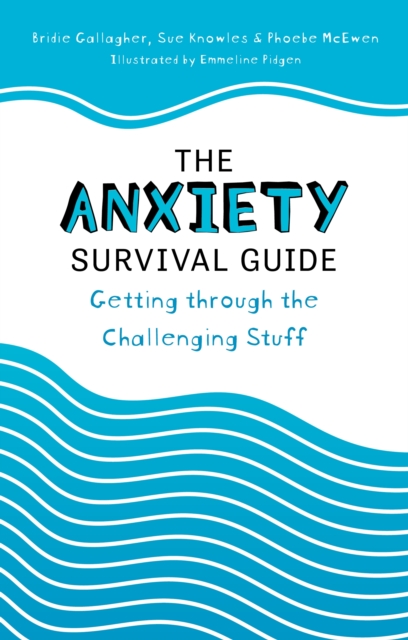
Co-written with psychologists and a college student who has experienced anxiety herself, this is a relatable and straightforward guide to managing worry in emerging adulthood.
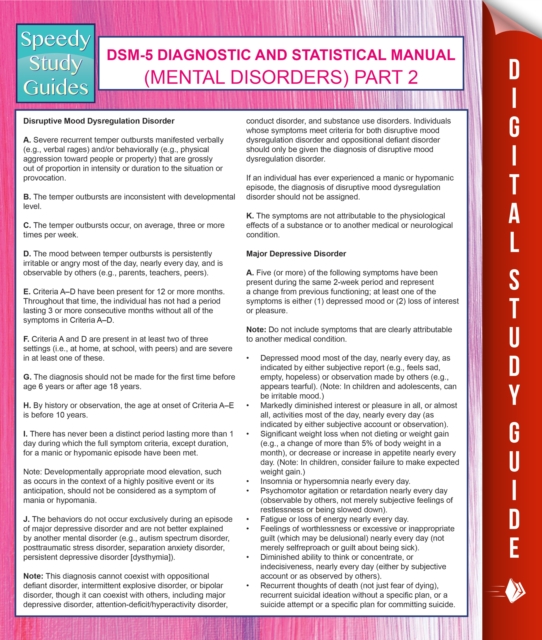
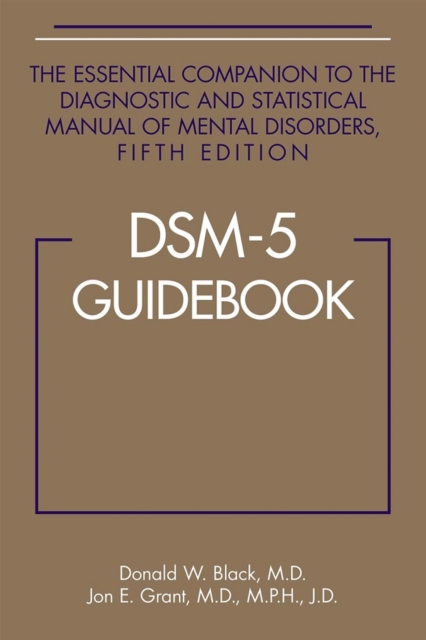
DSM-5(R) Guidebook: The Essential Companion to the Diagnostic and Statistical Manual of Mental Disorders, Fifth Edition is a user-friendly, supplementary guide for psychiatrists, psychologists, and other mental health practitioners who need to know how DSM-5(R) differs from its predecessor in terms of organizational structure, diagnostic categories, and the criteria themselves.
Der Autor zeigt Ihnen bei welchen Störungsbildern die Behandlung in einer Tagesklinik geeignet ist und informiert Sie , welche Therapien dabei sinnvoll sind und wie sie optimal in diesem Rahmen gestaltet werden können.
Tres largement prescrits, les psychotropes sont a l'origine d'une veritable revolution dans le traitement et la comprehension des pathologies mentales.
The most thorough psychiatry review available for the USMLE Step 2 CK and psychiatry clerkship exam - completely updated to reflect the DSM-5Covering all of the clerkship's core competencies, LANGE Q&A Psychiatry delivers more than 800 exam-style questions and answers with concise but comprehensive explanations of correct and incorrect answer options.
Mental, Emotional and Behavioural Needs of the General Population Following COVID-19 in India: Findings from Qualitative and Quantitative Studies explores the psychological challenges arising from COVID-19 that impacted the Indian general population.
The public has a right to know that when they go to a therapist, they are almost certain to be given a psychiatric diagnosis, no matter how mild or normal their problems might be.
The rise of outpatient treatment as the preferred mental health intervention in the 1940s, and the subsequent deinstitutionalization movement of the 1960s, meant that the hospital care of patients with mental disorders fell out of favor.