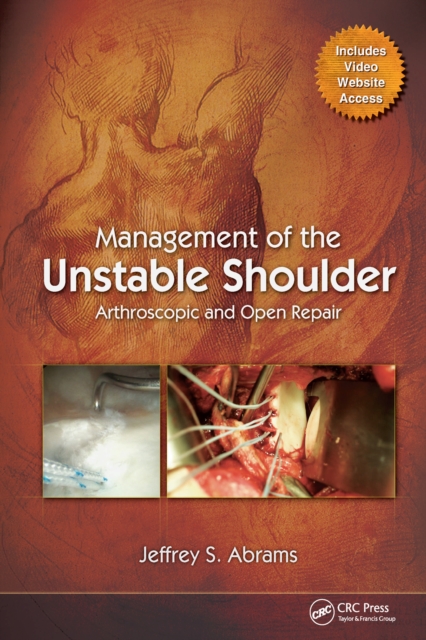
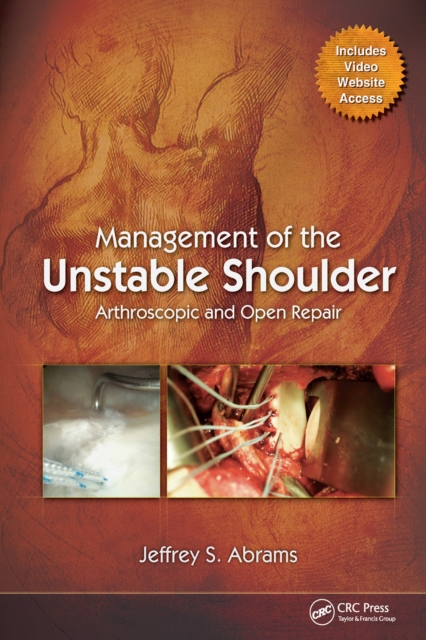
Management of the Unstable Shoulder: Arthroscopic and Open Repair presents orthopedic surgeons, sports medicine specialists, therapists, and trainers with state-of-the-art treatment options, such as anatomic repair and precise rehabilitation techniques that will then enable them to provide athletes with the best chance of returning to their sport.
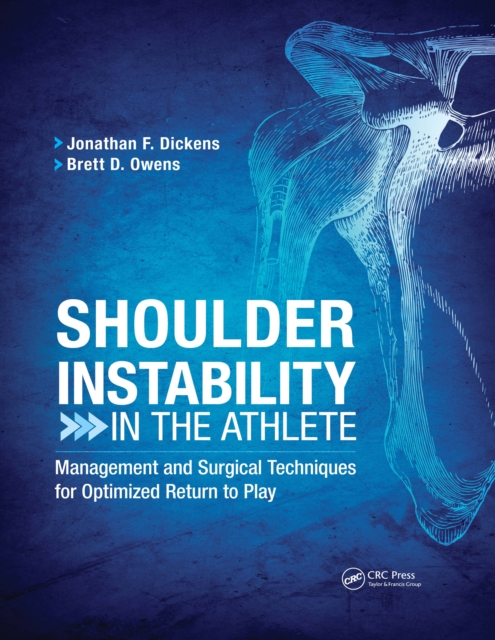
Shoulder Instability in the Athlete: Management and Surgical Techniques for Optimized Return to Play is a groundbreaking text that covers all aspects of care for athletes with shoulder instability-from on-the-field management and treatment to successful return to play.
Non-Orthopedic Emergency Care in Athletics is a textbook that will help instruct athletic training students, certified athletic trainers, and other health care providers about the emergency medical situations they can potentially face throughout their careers.
Athletic Training Student Primer: A Foundation for Success, Third Edition is a dynamic text that provides students with a foundation upon which they can build their athletic training knowledge and develop an authentic understanding of the rewards and challenges of the athletic training profession.
When all you need is a basic understanding of joint mobilization techniques, supplemented by succinct and demonstrative examples, look to Cram Session in Joint Mobilization Techniques: A Handbook for Students & Clinicians for quick, at-your-fingertips facts.
An Athletic Trainer's Guide to Sports Nutrition fills the void of a subject area that is underrepresented in current athletic trainer curriculums despite its importance in the field.
Shoulder Instability in the Athlete: Management and Surgical Techniques for Optimized Return to Play is a groundbreaking text that covers all aspects of care for athletes with shoulder instability-from on-the-field management and treatment to successful return to play.
Newly updated with the latest professional content standards, Clinical Pathology for Athletic Trainers: Recognizing Systemic Disease, Fourth Edition provides insight on medical conditions frequently encountered in athletic training.
An Athletic Trainer's Guide to Sports Nutrition fills the void of a subject area that is underrepresented in current athletic trainer curriculums despite its importance in the field.
When you need a fundamental and clinical understanding of sports concussions, supplemented by current research and management techniques, look to Cram Session in Evaluation of Sports Concussion: A Handbook for Students & Clinicians for quick and at-your-fingertips facts.
For more than 15 years, Clinical Skills Documentation Guide for Athletic Training has been an invaluable resource for athletic training students to learn, practice, and master clinical skill sets throughout their educational career.
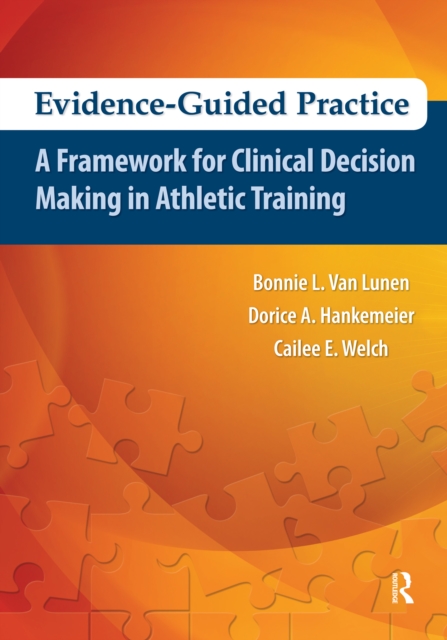
Evidence-based practice requires clinicians to be knowledgeable of the current standards of care and be willing to consider the effectiveness of new methods.
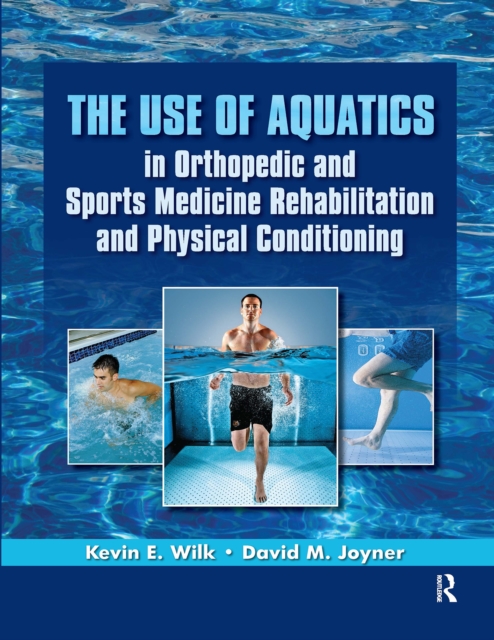
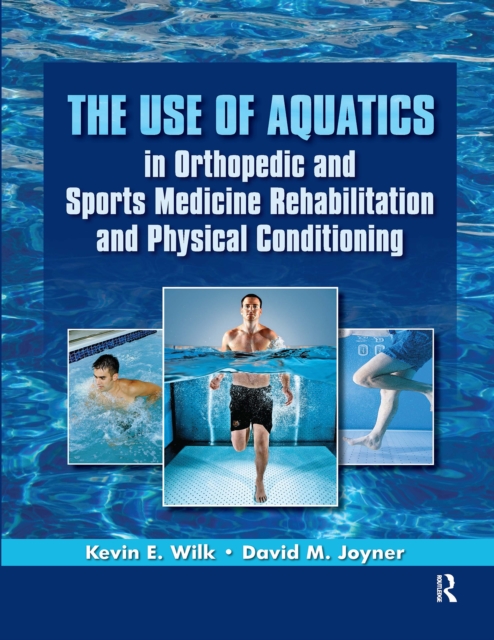
The Use of Aquatics in Orthopedic and Sports Medicine Rehabilitation and Physical Conditioning is a definitive and scientifically based text on the use and application of aquatic methodologies in both rehabilitation and physical conditioning appropriate for the general population to the elite athlete.
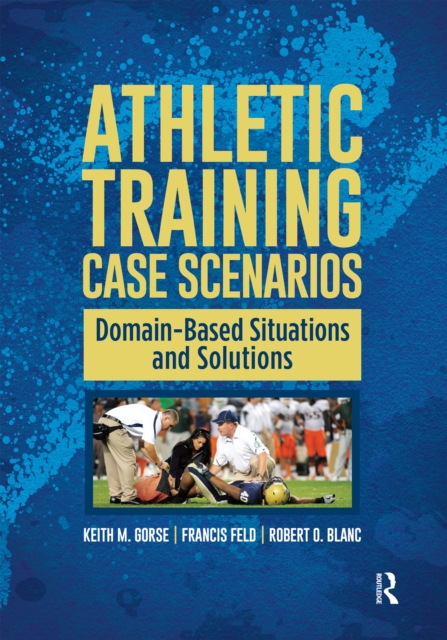
Every case that athletic trainers respond to is unique, but by exposing themselves to a variety of scenarios, they can be prepared for almost any situation.
Every case that athletic trainers respond to is unique, but by exposing themselves to a variety of scenarios, they can be prepared for almost any situation.
Rehabilitation Techniques for Sports Medicine and Athletic Training, Seventh Edition is the definitive reference for athletic training students and professionals who are interested in gaining more in-depth exposure to the theory and practical application of rehabilitation techniques used in a sports medicine environment.
Evidence-based practice requires clinicians to be knowledgeable of the current standards of care and be willing to consider the effectiveness of new methods.
A comprehensive textbook for athletic training students, educators, and practitioners, Professional Ethics in Athletic Training: Practicing and Leading With Integrity, Second Edition provides a framework for understanding and applying ethical principles across the career span of an athletic training professional.
A comprehensive textbook for athletic training students, educators, and practitioners, Professional Ethics in Athletic Training: Practicing and Leading With Integrity, Second Edition provides a framework for understanding and applying ethical principles across the career span of an athletic training professional.
Designed to address the nutritional needs of women over the age of 18 who partake in sports on a regular basis, Nutrition and the Female Athlete: From Research to Practice highlights nutritional concerns specific to active women.
Like an army of millions ready to defend its territory, the human immune system acts as the body's primary line of defense-a complex network of interacting cells that protects us from pathogens and other foreign substances.
Dietary supplement companies and the food industry spend millions to reach resistance trainers-often with exaggerated marketing messages-while health practitioners continue to counsel athletes that their interest in protein is misguided and even dangerous.
Performance Enhancing Medications and Drugs of Abuse explores various medications currently being abused by patients, from the drugs used for physical and cosmetic purposes by weekend warriors, professional athletes, and other at-risk populations, to the drugs used to enhance mood and memory.
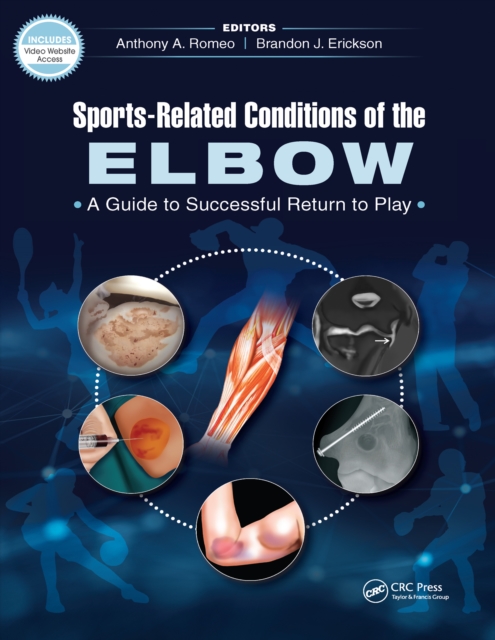
A comprehensive review, Sports-Related Conditions of the Elbow: A Guide to Successful Return to Play is a valuable resource for orthopedic surgeons as well as athletic trainers, therapists, and primary care physicians who regularly deal with athletes.
Newly updated with the latest professional content standards, Clinical Pathology for Athletic Trainers: Recognizing Systemic Disease, Fourth Edition provides insight on medical conditions frequently encountered in athletic training.
For many years, sports medicine and health care practitioners have used taping and bracing for both the prevention and rehabilitation of injuries; consequently, specific protocols and techniques have evolved to ensure that the results are functional.
For many years, sports medicine and health care practitioners have used taping and bracing for both the prevention and rehabilitation of injuries; consequently, specific protocols and techniques have evolved to ensure that the results are functional.
A comprehensive review, Sports-Related Conditions of the Elbow: A Guide to Successful Return to Play is a valuable resource for orthopedic surgeons as well as athletic trainers, therapists, and primary care physicians who regularly deal with athletes.
Rehabilitation Techniques for Sports Medicine and Athletic Training, Seventh Edition is the definitive reference for athletic training students and professionals who are interested in gaining more in-depth exposure to the theory and practical application of rehabilitation techniques used in a sports medicine environment.
For more than 15 years, Clinical Skills Documentation Guide for Athletic Training has been an invaluable resource for athletic training students to learn, practice, and master clinical skill sets throughout their educational career.
The Use of Aquatics in Orthopedic and Sports Medicine Rehabilitation and Physical Conditioning is a definitive and scientifically based text on the use and application of aquatic methodologies in both rehabilitation and physical conditioning appropriate for the general population to the elite athlete.
Management of the Unstable Shoulder: Arthroscopic and Open Repair presents orthopedic surgeons, sports medicine specialists, therapists, and trainers with state-of-the-art treatment options, such as anatomic repair and precise rehabilitation techniques that will then enable them to provide athletes with the best chance of returning to their sport.
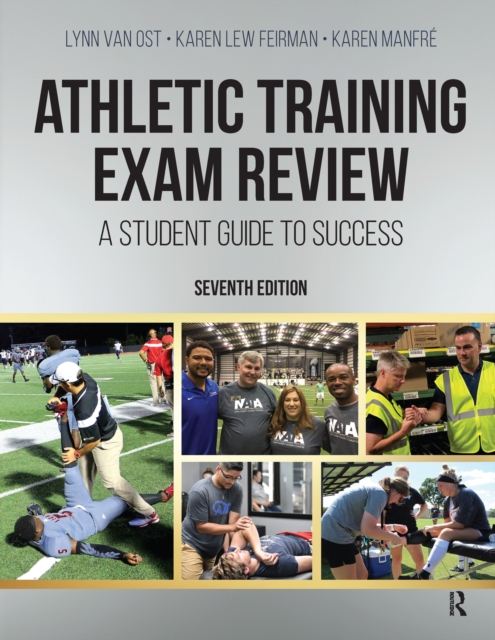
For more than 20 years, Athletic Training Exam Review has empowered and enabled students to assess and evaluate their athletic training knowledge, skills, and decision-making abilities.