"e;The aspects of the book related to the philosophy of science and cognitive science (inductive and deductive reasoning, biases, and heuristics) are distilled in reasonable and useful ways.
Based on a curriculum that was successfully implemented and evaluated at Stepping Stone, a drug and alcohol treatment program in San Diego, Sexual Health in Recovery offers counselors a chance to understand and integrate basic sexual health principles into their work.
"e;This volume in Springer's well-conceived Comparative Treatments [for] Psychological Disorders Series was designed to examine psychotherapy approaches to chemical dependence treatmentO[it] provides important theoretical and clinical information that will be of great use to psychotherapy students, particularly those at the graduate level.
This volume provides a comprehensive review of the essentials of the Therapeutic Community (TC) theory and its practical "e;whole person"e; approach to the treatment of substance abuse disorders and related problems.
In The Language of the Heart, Trysh Travis explores the rich cultural history of Alcoholics Anonymous (AA) and its offshoots and the larger "recovery movement" that has grown out of them.
Mental health practitioners must be prepared to treat addiction-related issuesoaffecting up to 50% of mental health clientsowhether or not clients present with addiction as a primary concern.
Providing essential theoretical and practical guidelines for clinicians, educators, policymakers, and public health professionals, The Handbook of Addiction Treatment for Women is a comprehensive resource of the most current research and knowledge from recognized experts in the field of addiction and treatment.
The first compendium of all substance abuse treatment options with a focus on best practicesThis is the first compendium of the entire range of options available for treating substance abuse, with a focus on effectiveness.
Media portrayals and diagnostic criteria convey an image of an addicted person as someone whose deficient coping skills and severely compromised functioning are readily apparent.
More than just a book full of the latest information, this is a dynamic, interactive, and personalized journey of recovery for those impacted by adverse childhood experiences (ACES).
NOTE FROM THE PUBLISHER: Due to recent Illegal counterfeiting of this book, we cannot guarantee book quality when purchased through a third-party seller.
Addictive behaviors beg for an informed explanation to guide patients, families, students, and clinicians through the maddening and often incomprehensible nature of the addictions.
A fun and fact-filled AZ treasury for anyone with a head on their shouldersNeuropedia journeys into the mysteries and marvels of the three pounds of tissue between your earsthe brain.
A look at the extraordinary ways the brain turns thoughts into actions-and how this shapes our everyday livesWhy is it hard to text and drive at the same time?
How a computational framework can account for the successes and failures of human cognitionAt the heart of human intelligence rests a fundamental puzzle: How are we incredibly smart and stupid at the same time?
Three years ago columnist and author Grace Dent joined new social network site Twitter, mainly as a place to dump her surplus jokes, rant about garbage TV and post exclusive j-pegs of her hot new toenail-varnish.
The Hand of Addiction maps out addiction from an innovative and holistic perspective, challenging the pervasive discourses surrounding addiction in many fields.
The Wiley Concise Guides to Mental Health: Substance Use Disorders uses clear, highly accessible language to guide the reader through the entire continuum of addiction care and present the latest scientific understanding of substance use and abuse.
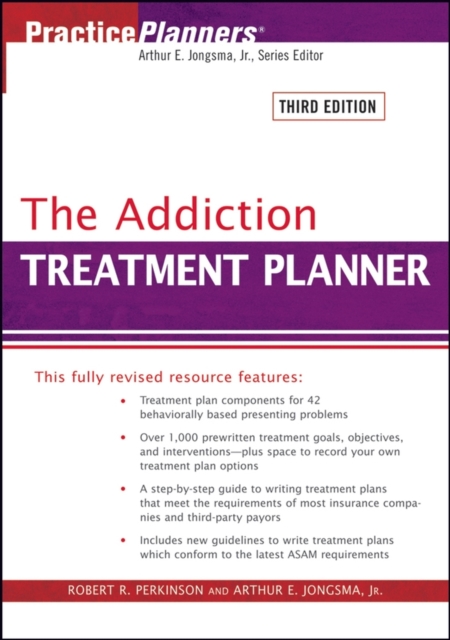
The Addiction Treatment Planner, Third Edition provides all the elements necessary to quickly and easily develop formal treatment plans that satisfy the demands of HMOs, managed care companies, third-party payors, and state and federal review agencies.
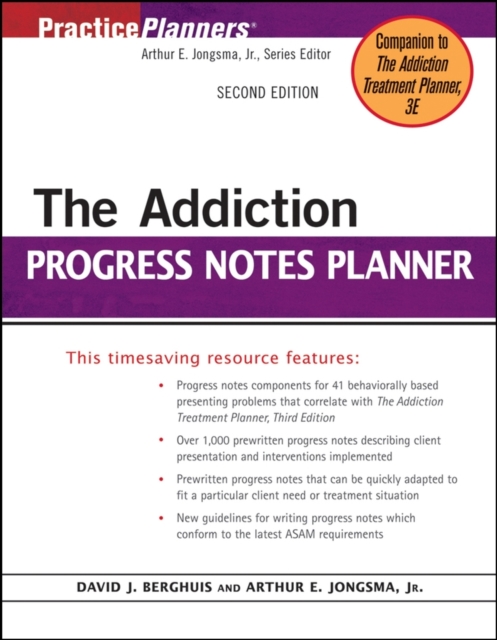
The Addiction Progress Notes Planner contains complete prewritten session and patient presentation descriptions for each behavioral problem in The Addiction Treatment Planner, Third Edition.
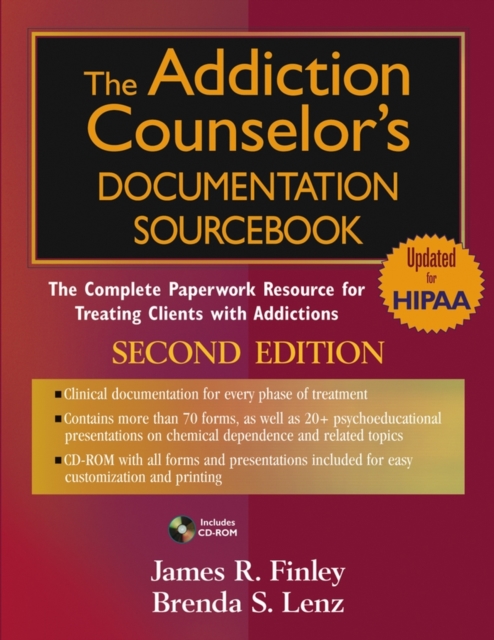
All of the requisite forms addiction treatment professionals need a crucial time-saver in today's healthcare system Treating addiction in today's healthcare environment means that mental health professionals must manage an imposing amount of paperwork.
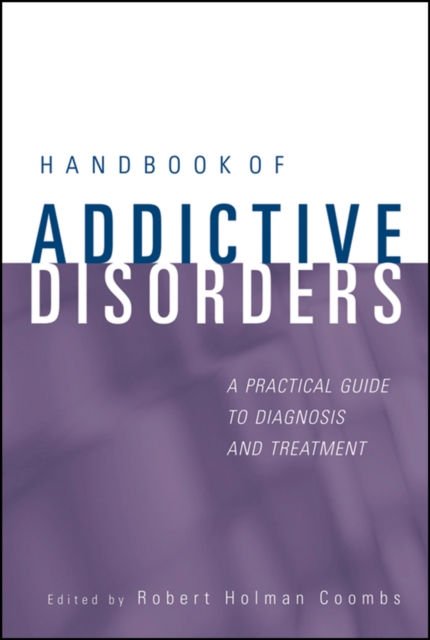
The most comprehensive source for the latest research and practice techniques for diagnosing and treating addictive disorders "e;This book brings together an array of international experts on addictive disorders.
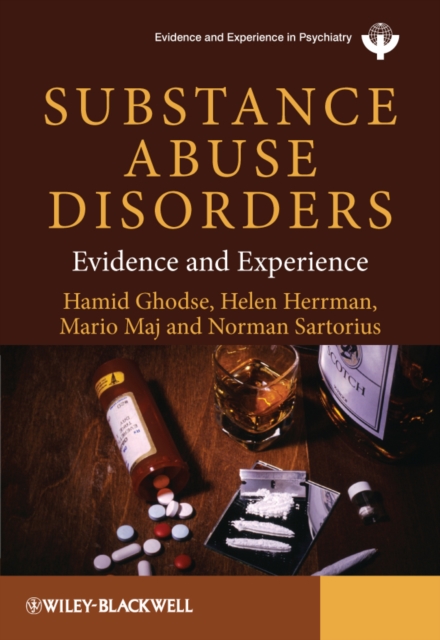
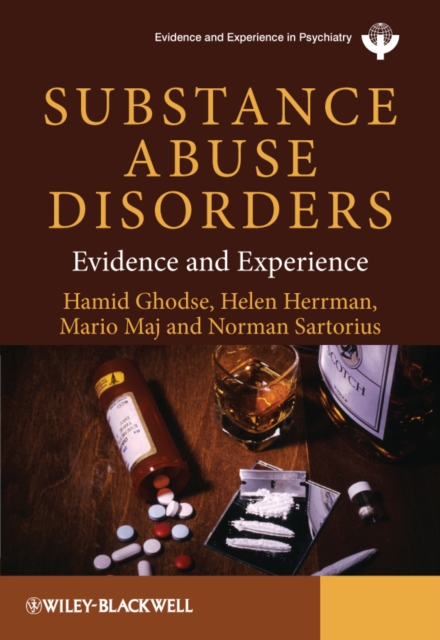
Substance abuse disorders are among the most prevalent psychiatric disorders and are frequently comorbid with other psychiatric and health conditions and accompanied by social problems; however, they remain under-recognized and under-treated.
Substance abuse disorders are among the most prevalent psychiatric disorders and are frequently comorbid with other psychiatric and health conditions and accompanied by social problems; however, they remain under-recognized and under-treated.
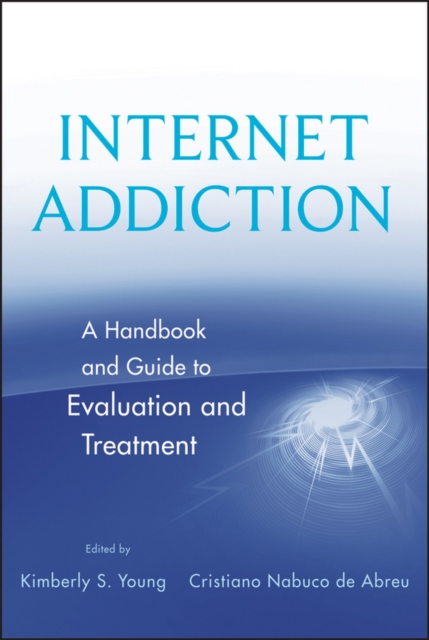
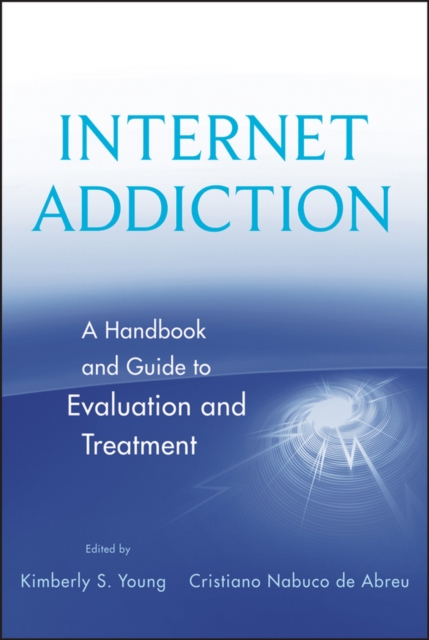
Internet Addiction: A Handbook and Guide to Evaluation and Treatment "e;This book provides cutting-edge coverage by expanding the field to include specific problems such as online gaming, cybersex addiction, and gambling addiction.
Internet Addiction: A Handbook and Guide to Evaluation and Treatment "e;This book provides cutting-edge coverage by expanding the field to include specific problems such as online gaming, cybersex addiction, and gambling addiction.
The last three decades have seen an explosion of social, psychological and clinical research to identify effective strategies to prevent and treat alcohol-related problems.
This exciting new book addresses the important issue of how to provide integrated mental health and substance misuse treatment of individuals with these co-occurring disorders.
The prevalence of substance abuse in the severely mentally ill ishigher than that in the general population, making this a seriousissue for clinicians.
Rich traditions of group therapy permeate the substance misuse field - from residential and day-centre group programmes and the fellowship group tradition to the panoply of support/education and relapse prevention groups offered by out-patient services.
This new book offers professionals a practical guide to the psychological treatment of all substance abuse, including tobacco, alcohol, stimulant drugs, cannabis and opiates.
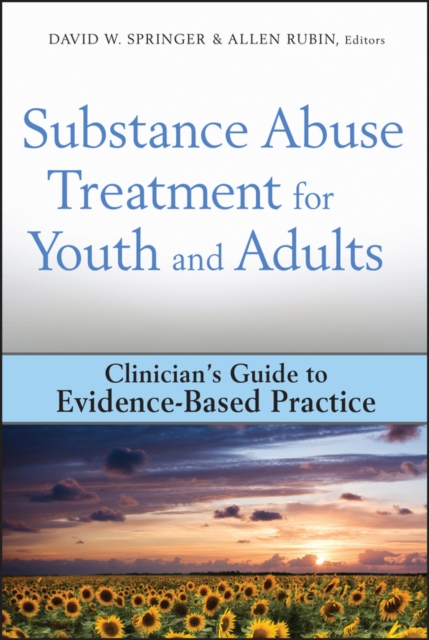
State-of-the-art, empirical support for the treatmentof substance abuse Part of the Clinician's Guide to Evidence-Based Practice Series, Substance Abuse Treatment for Youth and Adults provides busy mental health practitioners with detailed, step-by-step guidance for implementing clinical interventions that are supported by the latest scientific evidence.
State-of-the-art, empirical support for the treatmentof substance abuse Part of the Clinician's Guide to Evidence-Based Practice Series, Substance Abuse Treatment for Youth and Adults provides busy mental health practitioners with detailed, step-by-step guidance for implementing clinical interventions that are supported by the latest scientific evidence.
The most comprehensive source for the latest research and practice techniques for diagnosing and treating addictive disorders "e;This book brings together an array of international experts on addictive disorders.
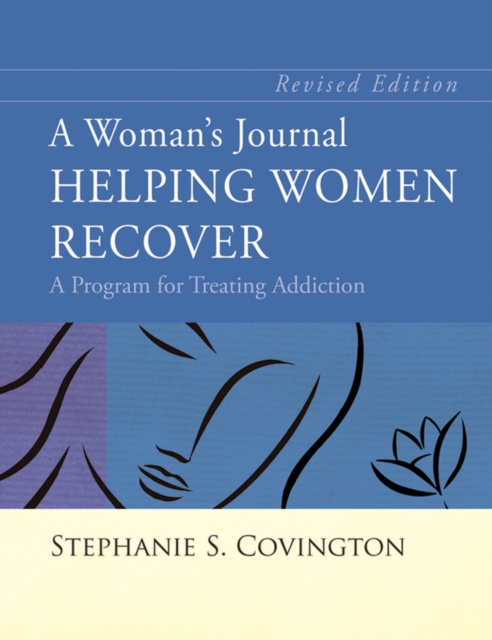
In this new edition, Stephanie Covington includes important new evidence-based data and new proven techniques for her unique and exclusive program, as well as new ways to treat trauma and substance abuse, new principles for gender responsive strategies with women offenders, and a new module on sexuality and women's recovery.
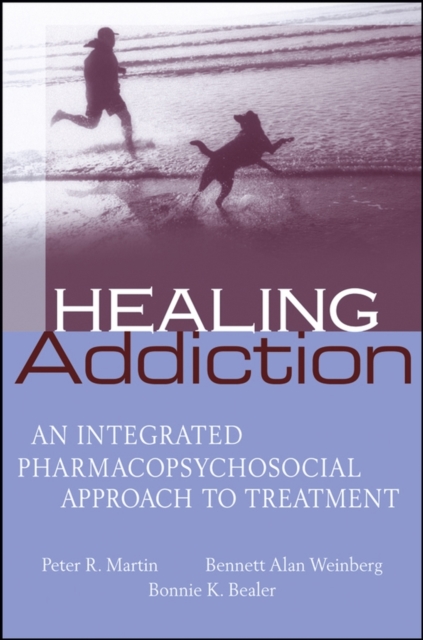
Filled with helpful resources and illuminating case studies, Healing Addiction provides you with an integrative guide to understanding and treating addiction that brings together the latest neuroscience, pharmacology, social understanding, and psychological research.
Treating individuals with a substance misuse problem can be challenging, especially if clients present with multiple problems related to the main addiction.