'A definitive guide for a generation navigating the murky waters of modern love' Esther Perel 'A "e;must read"e; for hopeless and hopeful romantics alike' Daniel GilbertA funny and practical guide to help you find, build, and keep the relationship of your dreams.
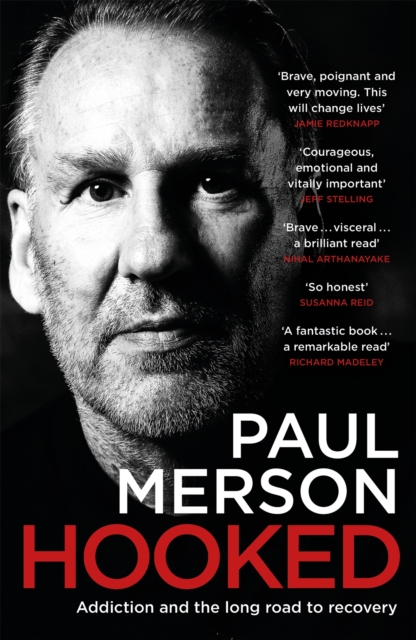
'A brave, heartfelt and extraordinary book' Corinne Sweet, author of Overcoming Addiction, psychologist and broadcaster What if the drugs that were meant to cure you slowly started to kill you?
A grand new vision of cognitive science that explains how our minds build our worlds One of the most important books yet published this century SpectatorFor as long as we've studied the mind, we've believed that information flowing from our senses determines what our mind perceives.
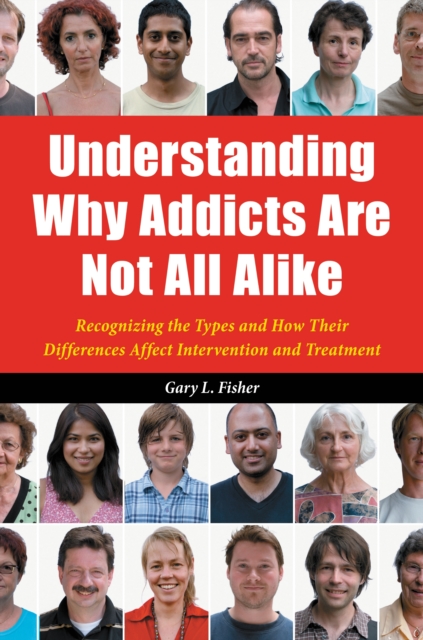
A new understanding of substance abuse explores treatment issues based on subtypes of addicts, with a special focus on antisocial personality disorder and functional addiction.
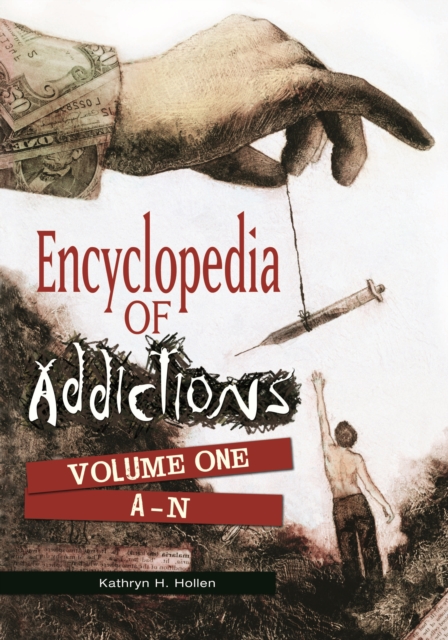
This two volume set contains frank and factual information about symptoms, causes, effects, prevention, and treatment of substance abuse-alcohol, nicotine, and drugs-and of behavioral addictions such as eating disorders, pathological gambling, and compulsive sexual activity.
While the APA's Textbook of Addiction Psychiatry covers material that a general psychiatrist or primary care physician needs for the appropriate referral and initial management of stimulant dependence, Cocaine and Methamphetamine Dependence: Advances in Treatment goes beyond this basic knowledge and addresses the rapid evolution of both the understanding and the treatment of stimulant abusers.
The Clinical Manual for Treatment of Alcoholism and Addictions provides a concise overview of addiction treatment issues relevant to physicians, nurses, psychologists, social workers, alcohol and drug counselors, and rehabilitation therapists who are involved in the care of patients with substance use disorders.
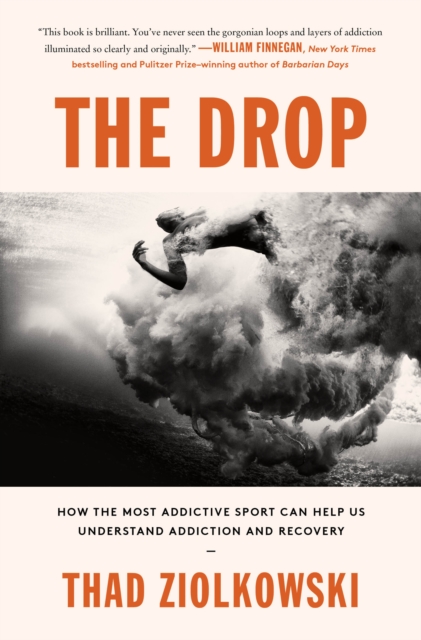
In this revelatory and original book, award-winning author of the acclaimed surf memoir On a Wave illuminates the connection between waves, addiction, and recovery, exploring what surfing can teach us about the powerful undertow of addictive behaviors and the ways to swim free of them.
NPR Best Book of 2019A bioethicists eloquent and riveting memoir of opioid dependence and withdrawala harrowing personal reckoning and clarion call for change not only for government but medicine itself, revealing the lack of crucial resources and structures to handle this insidious nationwide epidemic.
In the vein of Mary Karr's Lit, Augusten Burroughs' Dry and Sarah Hepola's Blackout, As Needed for Pain is a raw and riveting-and often wryly funny-addiction memoir from one of New York media's most accomplished editors which explores his never-before-told story of opioid addiction and the drastic impact it had on his life and career.
Neuropathology of Drug Addictions and Substance Misuse, Volume One: Foundations of Understanding, Tobacco, Alcohol, Cannabinoids, Opioids and Emerging Addictions provides the latest research in an area that shows that the neuropathological features of one addiction are often applicable to those of others.
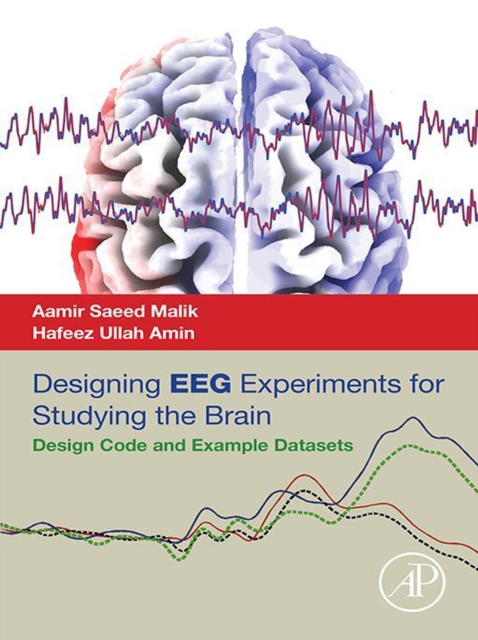
Designing EEG Experiments for Studying the Brain: Design Code and Example Datasets details the design of various brain experiments using electroencephalogram (EEG).
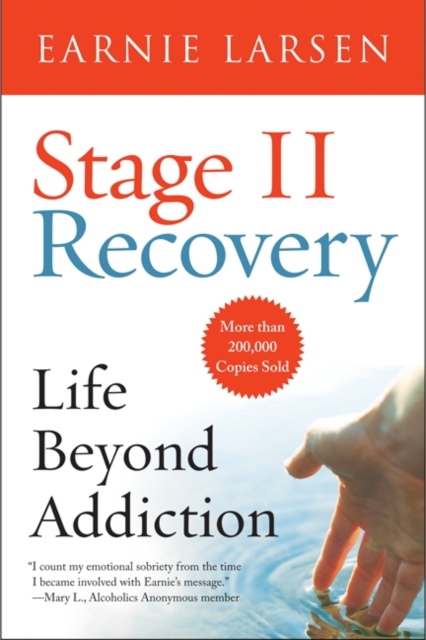
Sustained abstinence from an addiction is only the first stage of recovery; real recovery begins with Stage II--the rebuilding of the life that was saved in Stage I.
Many tens of thousands of mental health and health care professionals have used this essential book--now significantly revised with 70% new content reflecting important advances in the field--to develop and sharpen their skills in motivational interviewing (MI).
If you have a troubled marriage, a troubled child, a troubled self, if youre in therapy or think that theres no help for your predicament, The Family Crucible will give you insights .
Venturing into uncharted territory, mother and award-winning journalist Meredith Maran takes us inside teenagers' hearts, minds, and central nervous systems to explore the causes and consequences of our nation's drug crisis.
When they were first released in the 1980s, Janet Woititz's groundbreaking works, Adult Children of Alcoholics, Struggle for Intimacy and The Self-Sabotage Syndrome, provided a new message of hope to adult children who had grown up in the shadow of alcoholic parents.
A major new theory of why human intelligence has not evolved in other speciesThe Human Evolutionary Transition offers a unified view of the evolution of intelligence, presenting a bold and provocative new account of how animals and humans have followed two powerful yet very different evolutionary paths to intelligence.
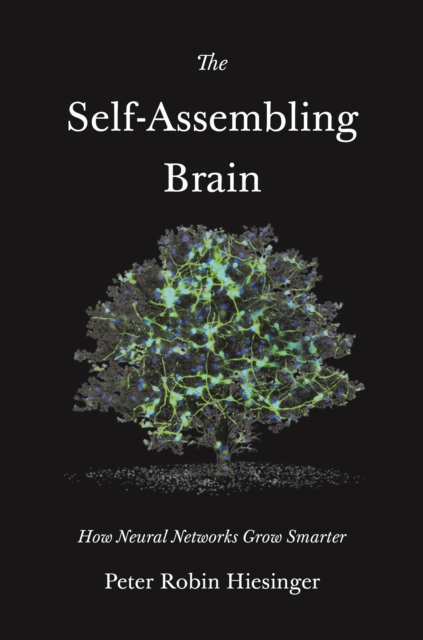
A revelatory tale of how the human brain develops, from conception to birth and beyondBy the time a baby is born, its brain is equipped with billions of intricately crafted neurons wired together through trillions of interconnections to form a compact and breathtakingly efficient supercomputer.
The neuroscience of why bad habits are so hard to break-and how evidence-based strategies can help us change our behavior more effectivelyWe all have habits we'd like to break, but for many of us it can be nearly impossible to do so.
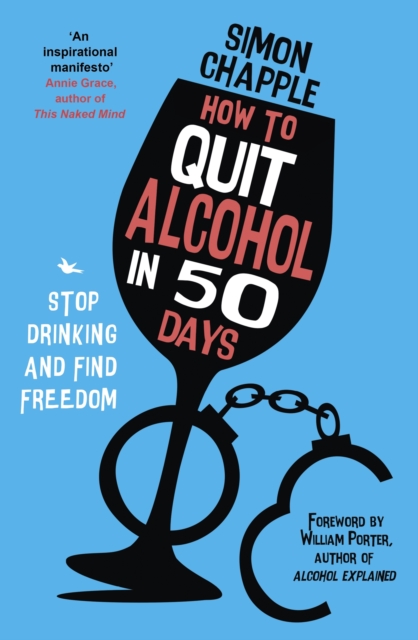
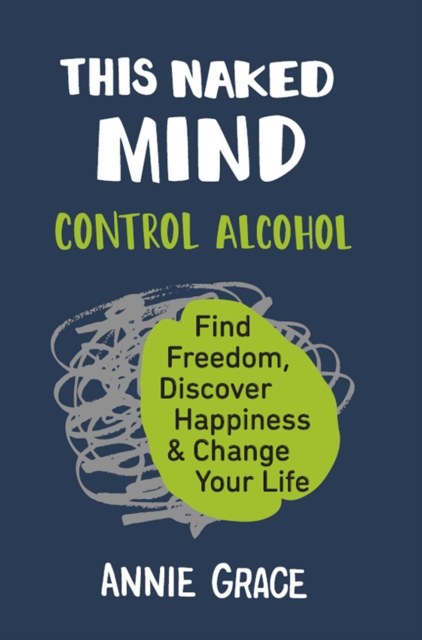
Control Alcohol, Find Freedom, Discover Happiness & Change Your Life'Brilliant' - Stella DuffyMillions of people worry that drinking is affecting their health, yet are unwilling to seek change because of the misery and stigma associated with alcoholism and recovery.
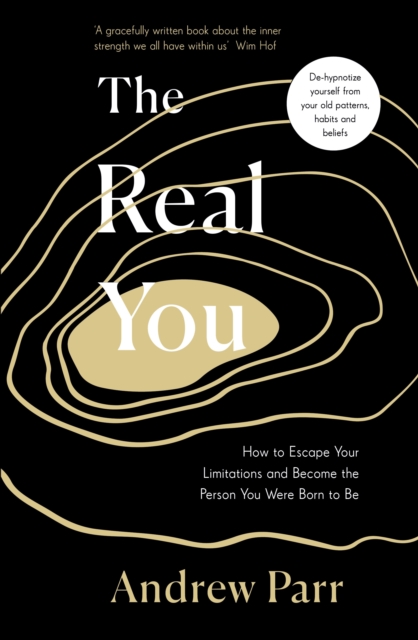
'A gracefully written book about the inner strength we all have within us' Wim Hof ________________________________________________________________________________Do you feel held back by your own thoughts?