For decades, the speech-language therapy profession has expressed the need for the development of language assessment materials in languages other than English for children and adults.
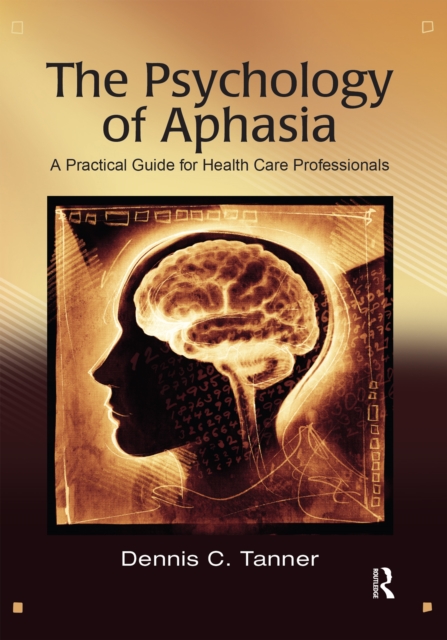
Brain damage predisposes many persons with aphasia to a variety of psychological reactions, which are precipitated by stress and loss, and perpetuated by impaired verbal defense mechanisms and coping styles.
This book provides a comprehensive yet accessible introduction to aphasia, or loss of language, a complex condition that affects approximately a third of stroke survivors.
For decades, the speech-language therapy profession has expressed the need for the development of language assessment materials in languages other than English for children and adults.
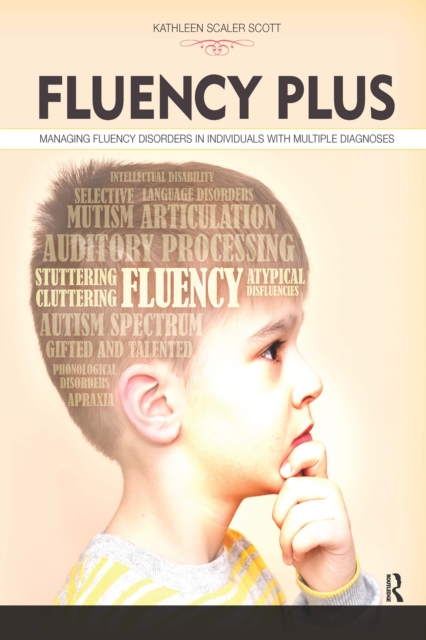
Fluency disorders such as stuttering, cluttering, and atypical disfluency are often accompanied by concomitant speech and language disorders, as well as other disorders impacting and interacting with fluency.
The Visual Brain and Peripheral Reading and Writing Disorders: A Guide to Visual System Dysfunction for Speech-Language Pathologists familiarizes the reader with the complex workings of the human visual system, the motor and sensory components of normal vision as they relate to the recognition of letters and words, and to the acquisition and rehabilitation of reading and writing.
The Visual Brain and Peripheral Reading and Writing Disorders: A Guide to Visual System Dysfunction for Speech-Language Pathologists familiarizes the reader with the complex workings of the human visual system, the motor and sensory components of normal vision as they relate to the recognition of letters and words, and to the acquisition and rehabilitation of reading and writing.
This book presents a comparative review of the latest studies and data on prelinguistic communication and early semantic development in autism spectrum disorder (ASD), Williams syndrome (WMS), attention-deficit/hyperactivity disorder (ADHD), and early language delay.
Fluency disorders such as stuttering, cluttering, and atypical disfluency are often accompanied by concomitant speech and language disorders, as well as other disorders impacting and interacting with fluency.
As with the actual practices of speech-language pathologists and audiologists, clinical education and supervision practices work best when they are grounded not only in concept and theory but also in research.
A survey of the main behavioural characteristics or symptoms of aphasia, which presents a series of essays on the history and current developments in this field of neuropsychological research.
Standing as the most comprehensive reference on oral cancer reconstruction, this handbook serves as an all-encompassing compendium of surgical and cosmetic strategies for the reconstruction of bone, muscles, nerves, arteries, and anatomical structures of the oral cavity- covering wounds extending from the lips to the pharynx with detailed illustrations depicting the exact techniques utilized for functional and cosmetic repair and optimization of quality of life.
Communicating Partners, the result of over thirty years of clinical practice and research work with pre-verbal and verbal children with language delays, offers an innovative approach to working with late talking children that focuses on developing relationships through mutual understanding.
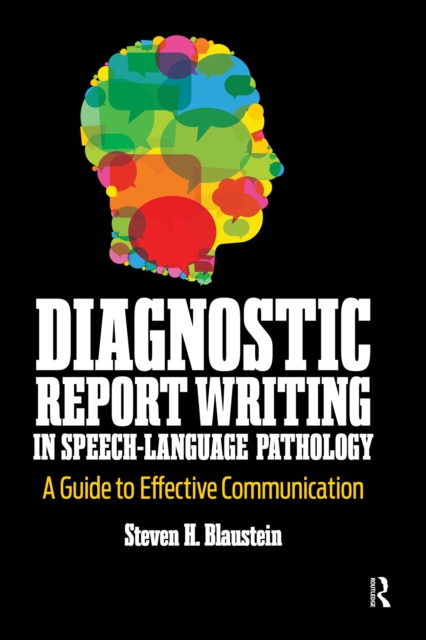
Designed to improve the report writing skills of speech-language pathology students, communication sciences and disorders students, Clinical Fellows, and professionals alike, Diagnostic Report Writing in Speech-Language Pathology: A Guide to Effective Communication is a one-of-a-kind text entirely dedicated to the production of an effective diagnostic speech and language evaluation.
For a strong foundation upon which to build their futures, students in communication sciences and disorders programs need the best, most up-to-date information available to guide them.
Designed to improve the report writing skills of speech-language pathology students, communication sciences and disorders students, Clinical Fellows, and professionals alike, Diagnostic Report Writing in Speech-Language Pathology: A Guide to Effective Communication is a one-of-a-kind text entirely dedicated to the production of an effective diagnostic speech and language evaluation.
Communicating Partners, the result of over thirty years of clinical practice and research work with pre-verbal and verbal children with language delays, offers an innovative approach to working with late talking children that focuses on developing relationships through mutual understanding.
As with the actual practices of speech-language pathologists and audiologists, clinical education and supervision practices work best when they are grounded not only in concept and theory but also in research.
Written as a helpful guide for speech-language pathologists and students, Counseling and Motivational Interviewing in Speech-Language Pathology provides a solid base in theoretical foundations, while prioritizing skill development and practical applications of counseling in speech-language pathology.
This book presents a comparative review of the latest studies and data on prelinguistic communication and early semantic development in autism spectrum disorder (ASD), Williams syndrome (WMS), attention-deficit/hyperactivity disorder (ADHD), and early language delay.
Brain damage predisposes many persons with aphasia to a variety of psychological reactions, which are precipitated by stress and loss, and perpetuated by impaired verbal defense mechanisms and coping styles.
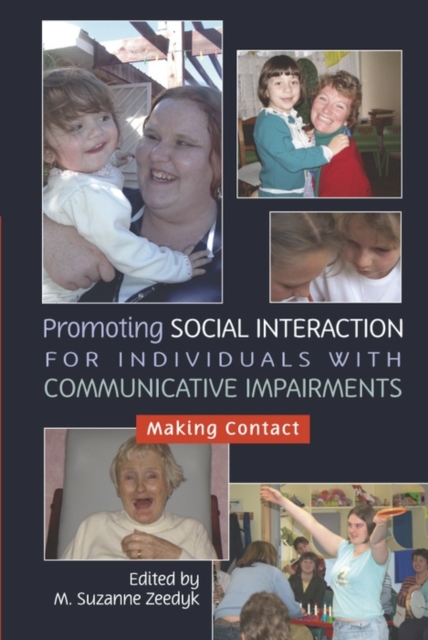
All humans have an innate need and ability to communicate with others, and this book presents successful approaches to nurturing communicative abilities in people who have some type of communication impairment.
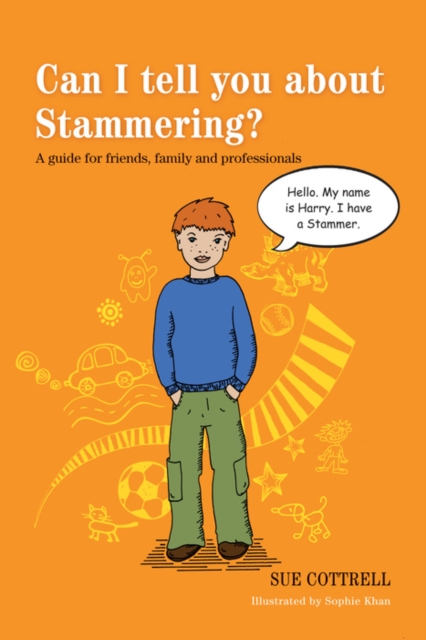
Parents and teachers of children who stammer (or stutter) may see their child suffering with embarrassment, frustration or anxiety but feel at a loss as to how best to help.
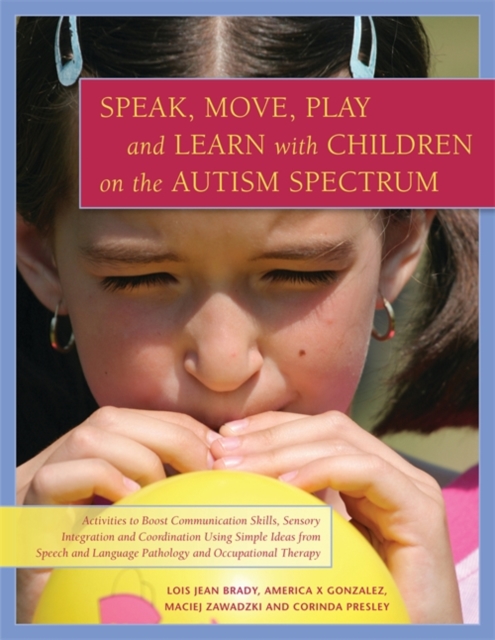
This practical resource is brimming with ideas and guidance for using simple ideas from speech and language pathology and occupational therapy to boost communication, sensory integration, and coordination skills in children on the autism spectrum.
Parents and teachers of children who stammer (or stutter) may see their child suffering with embarrassment, frustration or anxiety but feel at a loss as to how best to help.
This practical resource is brimming with ideas and guidance for using simple ideas from speech and language pathology and occupational therapy to boost communication, sensory integration, and coordination skills in children on the autism spectrum.
All humans have an innate need and ability to communicate with others, and this book presents successful approaches to nurturing communicative abilities in people who have some type of communication impairment.
Die Therapie des Facio-Oralen Trakts, von Kay Coombes entwickelt, wird in der Behandlung von Patienten mit erworbenen Hirnschädigungen sehr erfolgreich eingesetzt.
An eye-opening and enlightening collection of stories from people living with Selective Mutism (SM), this book provides a much-needed platform for people with SM to share experiences of the condition in their own words.
An eye-opening and enlightening collection of stories from people living with Selective Mutism (SM), this book provides a much-needed platform for people with SM to share experiences of the condition in their own words.
Combining years of experience as certified speech-language pathologists and as qualified yoga teachers, the authors of this pioneering book explain how yoga can be used to aid speech-language development in children up to age 12.
Children, particularly those on the autism spectrum, are able to acquire communication skills much more easily when their learning incorporates movement.