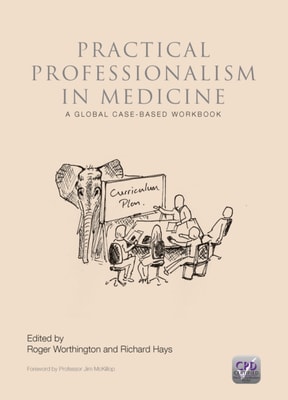
Doctors in training are exposed to pressures and distractions to which they do not always respond appropriately, and individuals and institutions can struggle to deal effectively with difficulties when they arise.
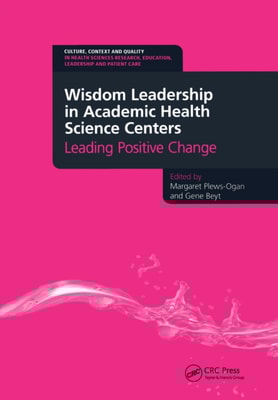
Academic Health Science Centers are complex organizations with three principal functions: the education of the next generation of health professionals; the conduct of biomedical and clinical research that leads to new treatments and approaches to disease; and the delivery of comprehensive and advanced patient care.
The emphasis on primary care in health service development requires both academics and professionals involved in research to apply the highest standards in qualitative and quantitative methodology.
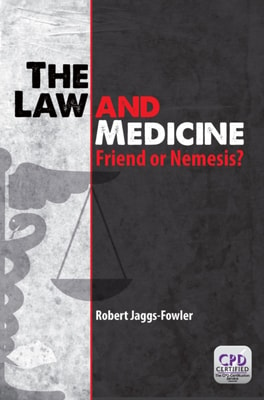
The work draws together a rich tapestry of material across many different disciplines, covering the crucial relationship between medicine and law from the early apothecaries to the modern-day general practitioner.
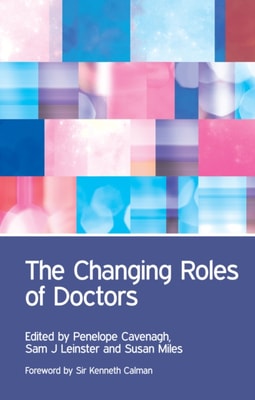
This fascinating new book describes the evolution of the medical profession and how the role of the doctor and expectations of that role have changed over time.
This inspiring new book weaves a web of stories focusing on people whose work in health professions education has touched the lives of others in very important ways.
Culture, Context and Quality in Health Sciences Research, Education, Leadership and Patient Care (Second book in a series of five) Sustainably Improving Health Care promotes the importance of integrating improved care outcomes, system performance, and professional development so that the future of health-care advancement is creative and sustainable.
Why is it that in spite of all the health policy reforms, clinical practice innovations, increasing intersectoral interdependencies and new medical and information technologies, so little has changed in the way we research and evaluate health care?
The future of basic and translational research in health care depends on the ability of large, complex health science centers to educate, discover new answers to complex problems, and operate in the service of the public good.
Doctors in training are exposed to pressures and distractions to which they do not always respond appropriately, and individuals and institutions can struggle to deal effectively with difficulties when they arise.
Academic Health Science Centers are complex organizations with three principal functions: the education of the next generation of health professionals; the conduct of biomedical and clinical research that leads to new treatments and approaches to disease; and the delivery of comprehensive and advanced patient care.
The emphasis on primary care in health service development requires both academics and professionals involved in research to apply the highest standards in qualitative and quantitative methodology.
The work draws together a rich tapestry of material across many different disciplines, covering the crucial relationship between medicine and law from the early apothecaries to the modern-day general practitioner.
This fascinating new book describes the evolution of the medical profession and how the role of the doctor and expectations of that role have changed over time.
This book is a guide for the dissection of the back and limbs - regions which are specifically relevant in the education of students in occupation and physical therapy.
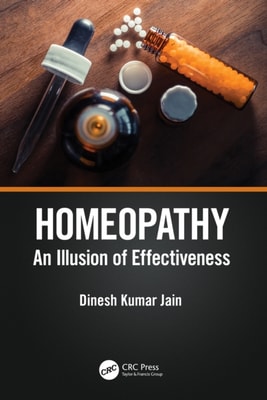
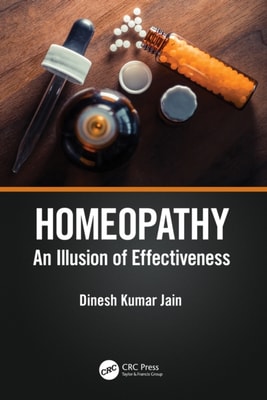
Taking a critical view, Homeopathy: An Illusion of Effectiveness is a treasure trove of information regarding the homeopathic system of medicine, reasoning through various unanswered questions concerning its principles and the scientific basis of its remedies.
Taking a critical view, Homeopathy: An Illusion of Effectiveness is a treasure trove of information regarding the homeopathic system of medicine, reasoning through various unanswered questions concerning its principles and the scientific basis of its remedies.
Weigh pivotal healthcare ethics, law, and public policy issues that resulted in tipping-point legal actionsWeighing the ethical considerations in healthcare and drug issues can be emotionally difficult and mentally challenging.
This new volume, which complements the editors' earlier volume Medical Travel Brand Management: Success Strategies for Hospitality Bridging Healthcare (H2H), explores the multitude of medical travel services and discusses the integration of traveling medical guests with destination providers, hospitality/healthcare professionals, and travel service providers.
This new volume, which complements the editors' earlier volume Medical Travel Brand Management: Success Strategies for Hospitality Bridging Healthcare (H2H), explores the multitude of medical travel services and discusses the integration of traveling medical guests with destination providers, hospitality/healthcare professionals, and travel service providers.
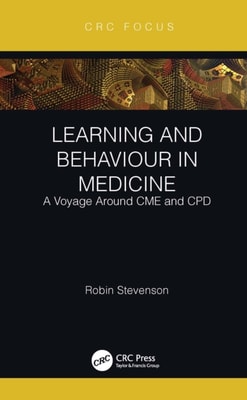
This concise, practical guide supports a broadly based understanding of continuing medical education and professional development, without being overly theoretical.
This concise, practical guide supports a broadly based understanding of continuing medical education and professional development, without being overly theoretical.
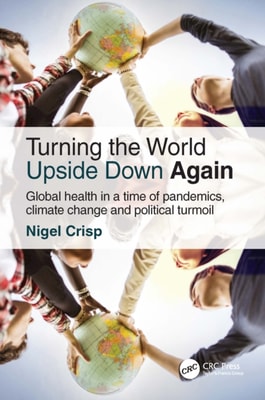
In Turning the World Upside Down Nigel Crisp argued that the most affluent and powerful countries in the world can learn a great deal about health from lower income countries with their different insights and experiences and their ability to innovate free from vested interests and received wisdom.
In Turning the World Upside Down Nigel Crisp argued that the most affluent and powerful countries in the world can learn a great deal about health from lower income countries with their different insights and experiences and their ability to innovate free from vested interests and received wisdom.
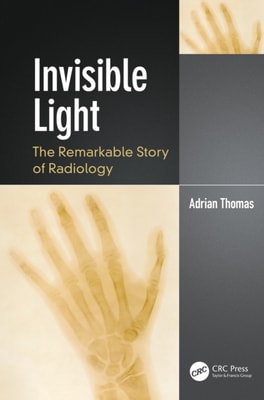
The book is a developed history of the radiological sciences - covering the back-story to Rontgen's discovery, the discovery itself and immediate reception the early days of radiology leading to classical radiology (the pre-digital world).
The book is a developed history of the radiological sciences - covering the back-story to Rontgen's discovery, the discovery itself and immediate reception the early days of radiology leading to classical radiology (the pre-digital world).
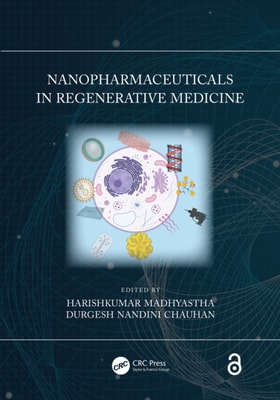
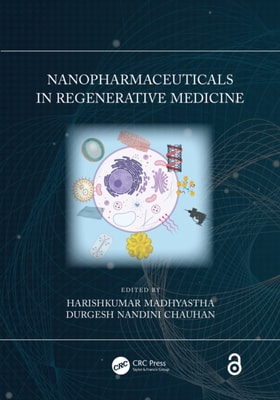
The book Nanopharmaceuticals in regenerative medicine is a collective and comprehensive volume of the latest innovations in nanoscience technology for practical use in clinical, biomedicine and diagnostic arena.
The book Nanopharmaceuticals in regenerative medicine is a collective and comprehensive volume of the latest innovations in nanoscience technology for practical use in clinical, biomedicine and diagnostic arena.
This seventh edition of Medical Immunology, now in a full-color presentation, continues to provide a succinct clinical review of the human response to infection while being firmly grounded in science.
This book is a guide specifically for Early Career Researchers on how to publish in the Biological Sciences, whether that be your first manuscript or if you're already experienced - there's something for everyone.
This book is a guide specifically for Early Career Researchers on how to publish in the Biological Sciences, whether that be your first manuscript or if you're already experienced - there's something for everyone.
Most textbooks and atlases of human anatomy chronicle only a few cases of muscle variations in the "e;normal"e; human population, or of muscle anomalies within congenital malformations.