A brightly illustrated rhyming story about a group of children whose creative endeavours have gone askew, Mistakes are Great teaches children to embrace their mistakes with courage.
Post-Traumatic Stress and Trauma-Informed Practice: A Practical Guide, Third Edition offers a comprehensive and accessible overview of post-traumatic stress and other reactions that may develop following exposure to traumatic events such as life-threatening situations, violent crime, sexual assault, or witnessing death.
Post-Traumatic Stress and Trauma-Informed Practice: A Practical Guide, Third Edition offers a comprehensive and accessible overview of post-traumatic stress and other reactions that may develop following exposure to traumatic events such as life-threatening situations, violent crime, sexual assault, or witnessing death.
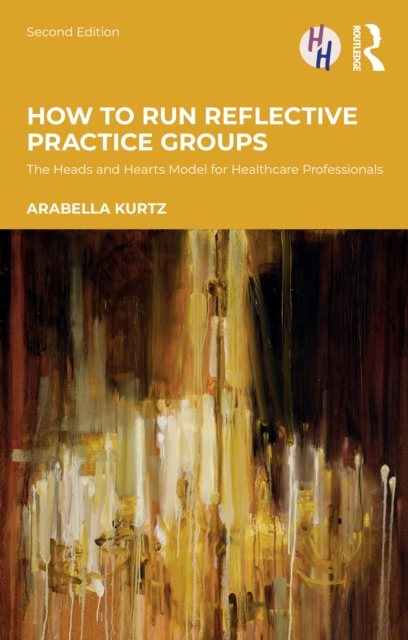
In this second edition of How to Run Reflective Practice Groups: The Heads and Hearts Model for Healthcare Professionals Arabella Kurtz provides a comprehensive guide to the facilitation of reflective practice groups with the aim of demystifying reflective practice and providing structure and purpose.
In this second edition of How to Run Reflective Practice Groups: The Heads and Hearts Model for Healthcare Professionals Arabella Kurtz provides a comprehensive guide to the facilitation of reflective practice groups with the aim of demystifying reflective practice and providing structure and purpose.
Eucheria's journey is one of navigating life's deepest difficulties—enduring cycles of emotional struggle, confronting moments of profound breakdown, and ultimately rising to reclaim her freedom from their grip.
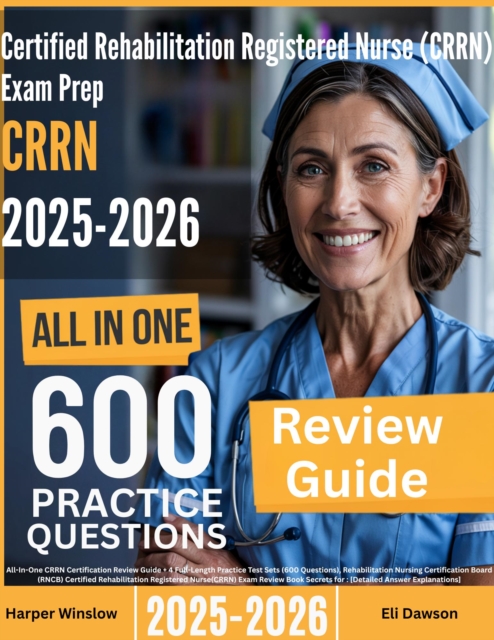
The Ultimate CRRN® Exam Prep Guide: Your All-In-One Resource for Certification SuccessPassing the CRRN Certified Rehabilitation Registered Nurse is a significant milestone that validates your expertise CRRN your professional credibility.
Originally published in 1986, Refugee Mental Health in Resettlement Countries reviews the research on refugee social and psychological problems, presents recent studies on adjustment problems among refugees, and outlines clinical approaches to refugee patients at the time.
Originally published in 1986, Refugee Mental Health in Resettlement Countries reviews the research on refugee social and psychological problems, presents recent studies on adjustment problems among refugees, and outlines clinical approaches to refugee patients at the time.
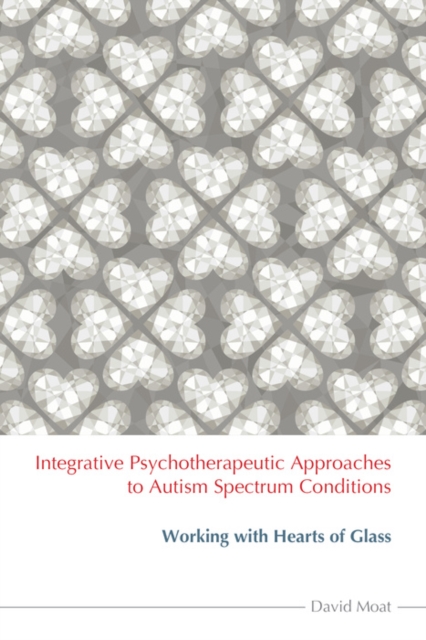
People on the autism spectrum often present with symptoms indicating poor self-awareness or hyper-awareness, low self-esteem, depression and difficulty connecting with others.
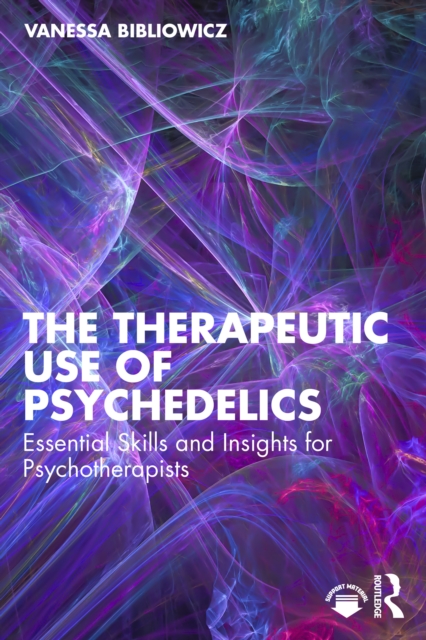
The Therapeutic Use of Psychedelics is a comprehensive manual for mental health professionals that details the vital aspects of psychedelic integration therapy.
The Therapeutic Use of Psychedelics is a comprehensive manual for mental health professionals that details the vital aspects of psychedelic integration therapy.
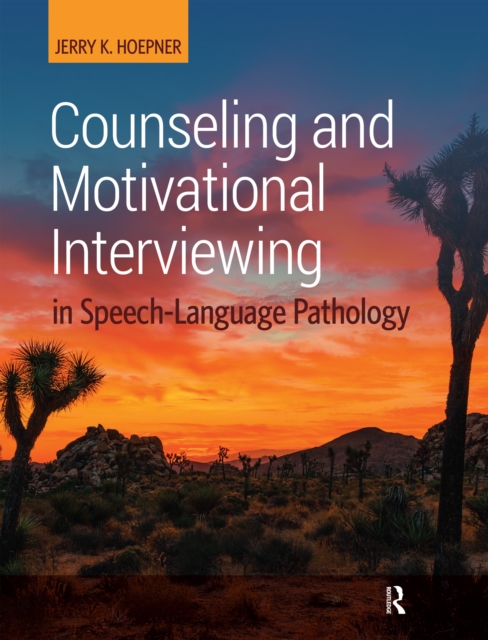
Written as a helpful guide for speech-language pathologists and students, Counseling and Motivational Interviewing in Speech-Language Pathology provides a solid base in theoretical foundations, while prioritizing skill development and practical applications of counseling in speech-language pathology.
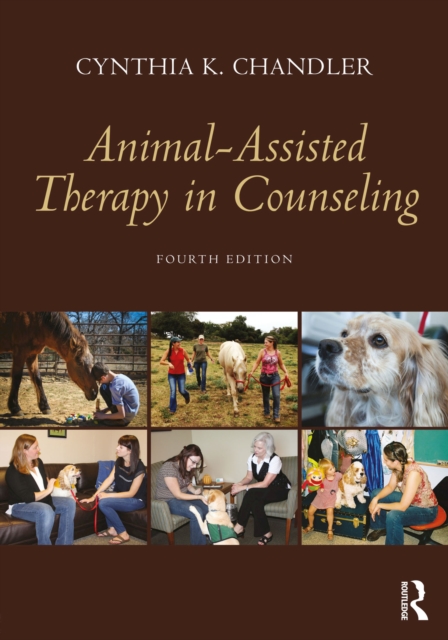
The fourth edition of Animal-Assisted Therapy in Counseling is the most comprehensive book available dedicated to training mental health practitioners in the performance of animal-assisted therapy in counseling.
The fourth edition of Animal-Assisted Therapy in Counseling is the most comprehensive book available dedicated to training mental health practitioners in the performance of animal-assisted therapy in counseling.
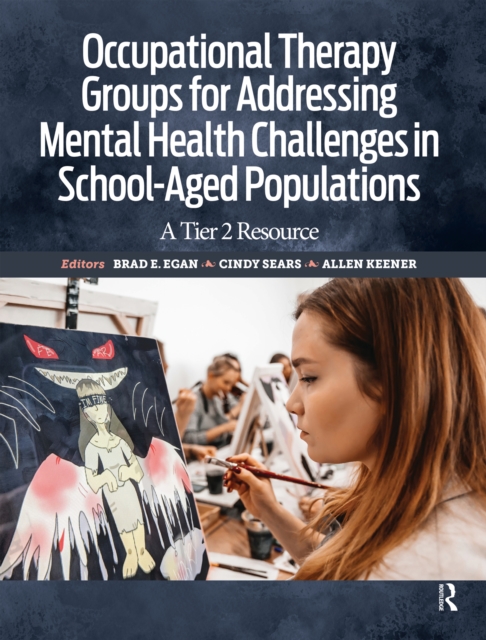
A new resource for school-based occupational therapists, Occupational Therapy Groups for Addressing Mental Health Challenges in School-Aged Populations: A Tier 2 Resource is a collection of occupation-based group interventions and tools that can be used to support students at risk for or with identified mental health challenges.
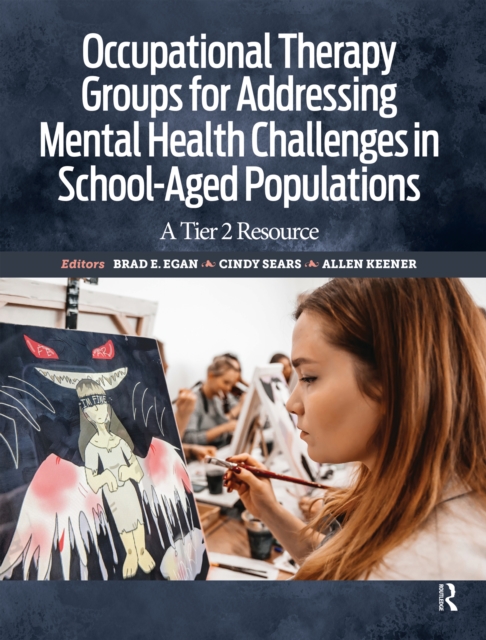
A new resource for school-based occupational therapists, Occupational Therapy Groups for Addressing Mental Health Challenges in School-Aged Populations: A Tier 2 Resource is a collection of occupation-based group interventions and tools that can be used to support students at risk for or with identified mental health challenges.
People on the autism spectrum often present with symptoms indicating poor self-awareness or hyper-awareness, low self-esteem, depression and difficulty connecting with others.
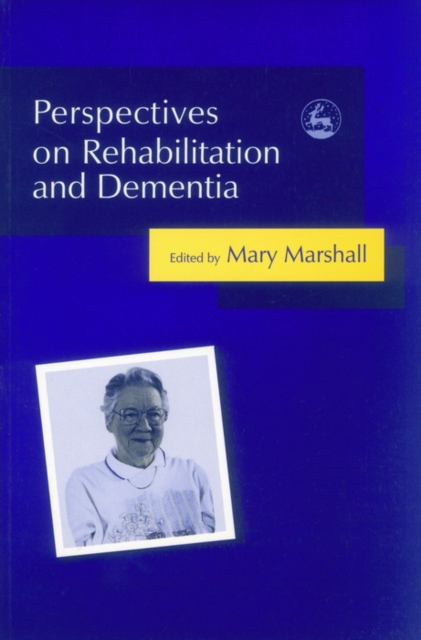
Perspectives on Rehabilitation and Dementia offers new insights into the application of a well-established approach and set of skills to a group of people who have traditionally been thought not to benefit from them.
Written as a helpful guide for speech-language pathologists and students, Counseling and Motivational Interviewing in Speech-Language Pathology provides a solid base in theoretical foundations, while prioritizing skill development and practical applications of counseling in speech-language pathology.