Perspectives on Rehabilitation and Dementia offers new insights into the application of a well-established approach and set of skills to a group of people who have traditionally been thought not to benefit from them.
In this thought-provoking text, a collection of respected authors with a wealth of academic and practice experience come together to challenge some of the prevailing ideas serving as the foundation for the current child and adolescent mental health services (CAMHS) structure.
In this thought-provoking text, a collection of respected authors with a wealth of academic and practice experience come together to challenge some of the prevailing ideas serving as the foundation for the current child and adolescent mental health services (CAMHS) structure.
Over the past few decades, psychoanalysis and dynamic psychiatry have been steadily stepping back from a key role in the understanding and treatment of depressive disorders.
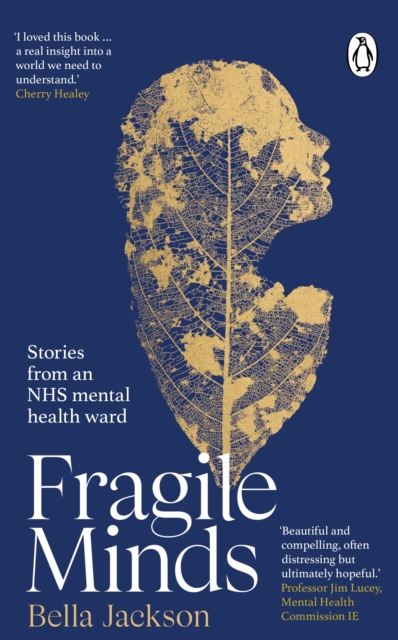
Beautifully wrought and staggeringly urgent , Fragile Minds documents Bella Jackson's time as a trainee mental health nurse, and the devastation and hope she encountered in winding corridors and behind locked doors.
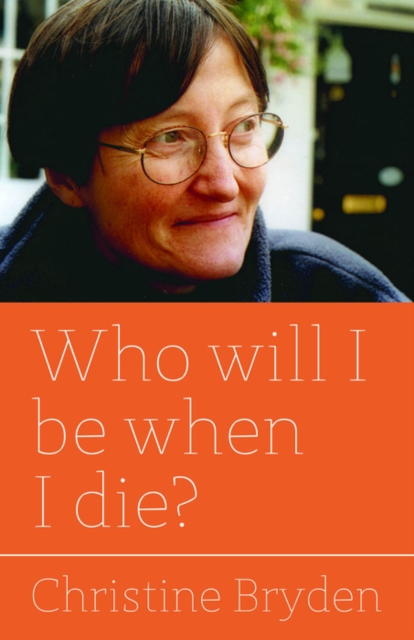
Christine Bryden was 46 years old when she was diagnosed with dementia, and in this book she describes her remarkable emotional, physical and spiritual journey in the three years immediately following.
Clients with mental health conditions are often diagnosed and treated using a strictly medical model of diagnosis, with little input from the client themselves.
The Equality Act 2010 in Mental Health provides a critical guide to the Act: what it means for mental health services and how it should be implemented.
Over the past few decades, psychoanalysis and dynamic psychiatry have been steadily stepping back from a key role in the understanding and treatment of depressive disorders.
Christine Bryden was 46 years old when she was diagnosed with dementia, and in this book she describes her remarkable emotional, physical and spiritual journey in the three years immediately following.
The Equality Act 2010 in Mental Health provides a critical guide to the Act: what it means for mental health services and how it should be implemented.
Person-centred thinking and planning are approaches that enable people using social care and health services to plan their future, and use a personal budget to commission personalised services.
Person-centred thinking and planning are approaches that enable people using social care and health services to plan their future, and use a personal budget to commission personalised services.
The word 'partnership' is often used to describe the relationship between health and social care providers and service users, but in reality this can appear to be empty rhetoric.
Clients with mental health conditions are often diagnosed and treated using a strictly medical model of diagnosis, with little input from the client themselves.
THE SUNDAY TIMES BESTSELLERThe brilliant new book from the multiple Sunday Times bestselling author that will explain the principles behind maintaining a healthy mind and body.
The word 'partnership' is often used to describe the relationship between health and social care providers and service users, but in reality this can appear to be empty rhetoric.
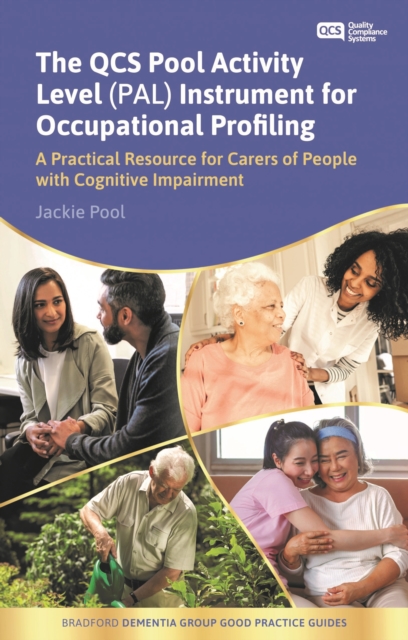
The QCS Pool Activity Level (PAL) Instrument is widely used as the framework for providing activity-based care for people with cognitive impairments, including dementia.
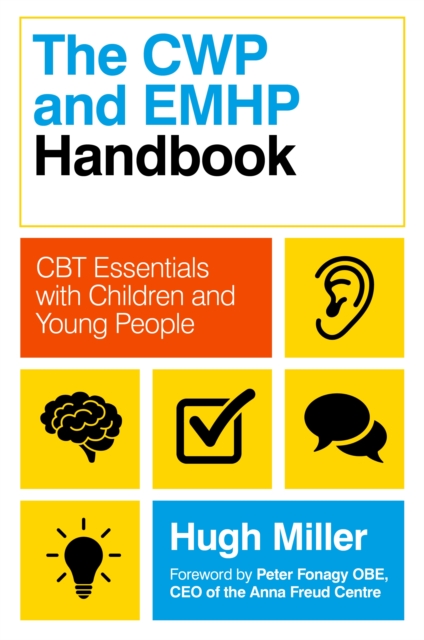
As an Education Mental Health Practitioner (EMHP) or Children's Wellbeing Practitioner (CWP), you have to think on your feet, manage a caseload, deal with emotional distress and try and not get indigestion as you cram down a sandwich on your way to your next session.
The QCS Pool Activity Level (PAL) Instrument is widely used as the framework for providing activity-based care for people with cognitive impairments, including dementia.
As an Education Mental Health Practitioner (EMHP) or Children's Wellbeing Practitioner (CWP), you have to think on your feet, manage a caseload, deal with emotional distress and try and not get indigestion as you cram down a sandwich on your way to your next session.
Person-centred practices are a key way to provide the best possible care and support for older people and help them to be active and valued members of the community.
The award-winning PEARL (Positively Enriching and enhancing Residents' Lives) programme was developed to enable care homes to move from providing good fundamental care to excellent person-centred dementia care.
Person-centred practices are a key way to provide the best possible care and support for older people and help them to be active and valued members of the community.
The award-winning PEARL (Positively Enriching and enhancing Residents' Lives) programme was developed to enable care homes to move from providing good fundamental care to excellent person-centred dementia care.
Traditionally, dementia has been defined primarily in terms of loss: loss of cognitive and communicative competencies, loss of identity, loss of personal relationships.
Mental distress is not exclusive to any particular group but touches the lives of people in all societies and walks of life; one in four of us will be affected by it in our lifetime.