As the momentum for personalisation and recovery approaches grows, service users are increasingly participating as partners in all aspects of health and social care delivery, policy-making and professional training.
Today, under pressure from managed care companies as well as from patients who are demanding briefer and more focused treatments, therapists are creatively combining cognitive and psychodynamic approaches and obtaining unprecedented therapeutic results.
*Highly Commended in the Psychiatry Category of the 2011 BMA Book Awards*Working with Suicidal Individuals provides a comprehensive guide to understanding suicide, the assessment of risk, and the treatment and management of suicidal individuals.
Solution focused practice offers proven ways of helping adults overcome a range of life difficulties, from physical and mental illness to learning disability and the challenges of old age.
This book provides mental capacity practitioners with accessible ethical guidance and applicable tools for applying the Mental Capacity Act (MCA) 2005.
By creating a therapeutic outlet for processing and self-expression, art therapy is an especially effective way to help emerging adults to develop their mentalizing faculty.
This ground-breaking book provides the first detailed clinical analysis of the various manifestations of catatonia, shutdown and breakdown in autistic individuals, with a new assessment framework (ACE-S) and guidance on intervention and management strategies using a psycho-ecological approach.
The use of the telephone as a tool for counselling is increasingly appealing, providing clients with a service that combines accessibility and convenience.
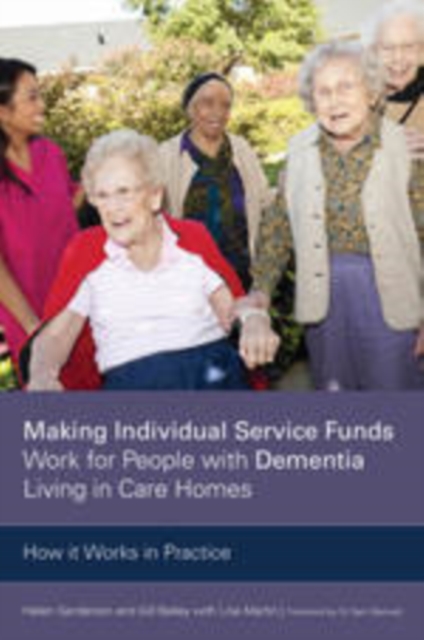
Dispelling the myths about how personalisation works for people with dementia living in care homes, this book demonstrates how to introduce Individual Service Funds (ISFs), what works and what doesn't, and how to deal with difficulties and setbacks.
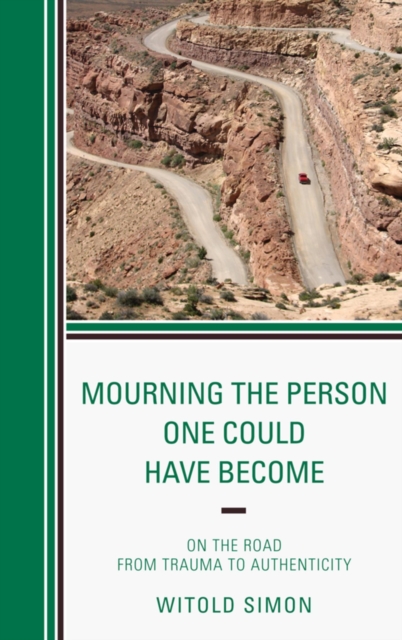
This book introduces the concept of the "e;Person One Could Have Become"e; and shows the importance of mourning for individuals with traumatic experiences.
This book introduces the concept of the "e;Person One Could Have Become"e; and shows the importance of mourning for individuals with traumatic experiences.
The use of the telephone as a tool for counselling is increasingly appealing, providing clients with a service that combines accessibility and convenience.
Written by a clinical psychologist and illustrated with vignettes from the author's experience, this book offers a clear understanding of how suicidal thought develops, how we can help prevent death from suicide, and how suicidal people can recover and change their way of thinking.
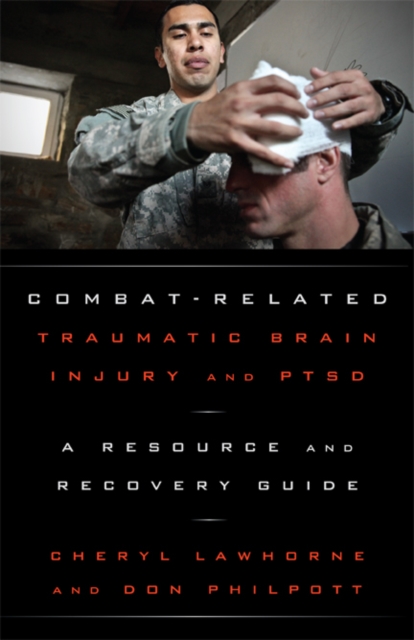
As more veterans return from deployments in Iraq and Afghanistan, more are needing care for posttraumatic stress disorder (PTSD) and combat-related traumatic brain injuries (TBI).
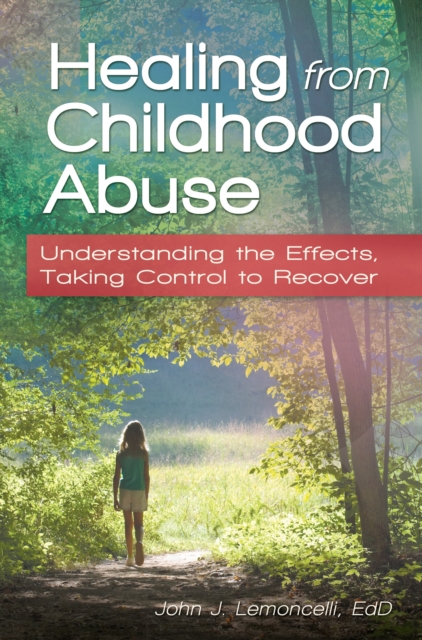
Written directly to individuals who have experienced childhood trauma, this book provides essential information that allows victims to begin recovering from their immense pain and suffering, and empowers them to examine their specific issues in order to become a true survivor.
This practical guide about what first responders should do after a suicide, offers advice on identifying and recording a death as suicide, breaking the bad news and dealing with the impact of suicide in the short, middle and long term.
As human migration brings an ever more diverse range of people, cultures and beliefs into contact, Western medical systems must adapt to cater for the different approaches it encounters towards illness, the body, gender, mental health and death.
Providing key information and insight into the experiences of people living with a diagnosis of young onset dementia, this book will increase the knowledge and skills of health and social care professionals in the early recognition, diagnosis and support of young people with dementia and their families.
An unprecedented insight into the approach used by the innovative Suicide Crisis charity, a crisis centre that has so far achieved a zero suicide rate amongst their clients.
The CLEAR Dementia Care(c) model is an effective method of assessing behaviour that challenges, through an understanding that such behaviour may be a way of communicating unmet needs.
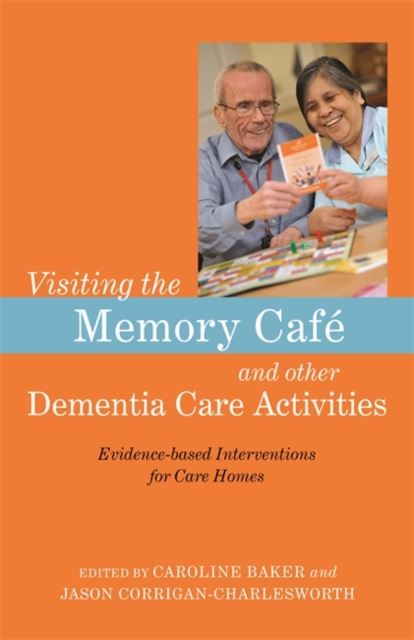
Sharing and evaluating a series of relationship-centred approaches to dementia care, this book enables practitioners to have hands-on involvement in improving the quality of this care.
Offering practical advice for arts therapists and health care professionals, this book emphasizes the importance of putting the individual before the illness to provide holistic, person-centred support for people with dementia.
Written by two clinical psychologists with nearly a century of combined experience, this book explains how people who suffer from depression, anxiety, or undue anger can overcome these difficulties by allowing the normal process of grieving to occur.
The correlation between 'disengagement' and illness in people with dementia living in long-term care settings is becoming more widely recognised, and developing and adapting front-line staff responses to the changing needs of individuals is a crucial factor in addressing this problem.
Spirituality, religious belief and inclusive faith communities are important for mental well being but mental health practitioners have few guidelines for acknowledging these issues when working with service users.
Understanding Learning Disability and Dementia covers all the essential issues in supporting a person with a learning disability when they develop dementia.
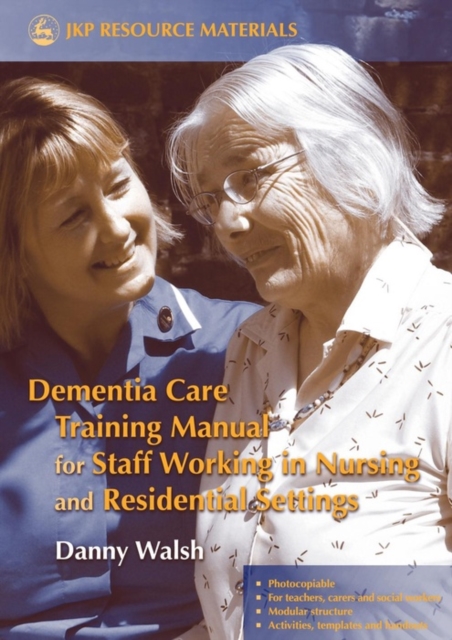
This accessible, interactive resource book encourages front-line staff working with dementia sufferers in nursing and residential settings to examine their working practice and modify it to where appropriate to meet best practice guidelines.
This practical and accessible book of case studies takes a new look at self-harm, focusing particularly on the under-explored area of `hidden' self-harming behaviour.
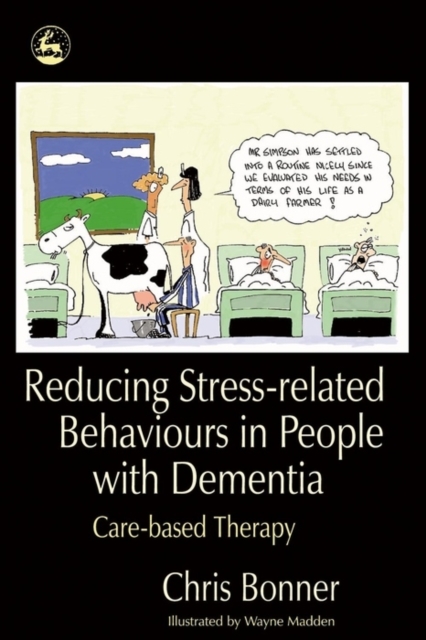
In Reducing Stress-Related Behaviours in people with Dementia, Chris Bonner has written a thoroughly entertaining, yet highly instructive, manual for people with Alzheimer's disease and other dementias.
This book offers an accessible and sympathetic introduction for relatives, carers and professionals looking after or training to work with people with dementia.