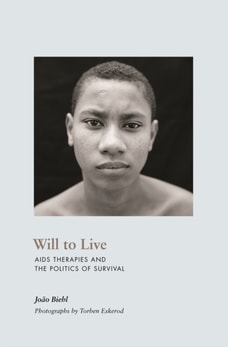
Will to Live tells how Brazil, against all odds, became the first developing country to universalize access to life-saving AIDS therapies--a breakthrough made possible by an unexpected alliance of activists, government reformers, development agencies, and the pharmaceutical industry.
Workable Sisterhood is an empirical look at sixteen HIV-positive women who have a history of drug use, conflict with the law, or a history of working in the sex trade.
The author of Blindsided "e;gives a voice to the voiceless-the chronically disabled who, in our health-conscious society, are defined by their disease"e; (Providence [RI] Journal).
A moving collection of 6 short stories - Helpless, A Small Boy's Cry, Two More Sleeps, Unexpected, Just a Boy and At Risk - previously available as individual e-shorts.
THE SUNDAY TIMES BESTSELLER'With conversations on Maternal Mental Health on the rise, and more women speaking up about the way they feel, Anna Mathur's insight as a psychotherapist AND mother make her someone you feel you can trust.
When 18-year-old Mary Hazard touched down in post-war Putney to begin her nurse's training, she could never have known that it was the beginning of a colourful career that would still be going 60 years later - one of the longest ever serving NHS nurses.
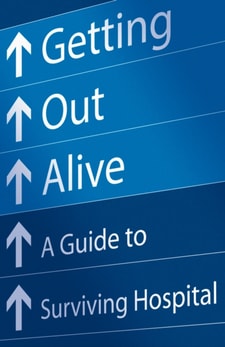
Best-selling author and professional nurse Michael Alexander offers practical and achievable advice on how you can get the best out of hospital visits and admission.
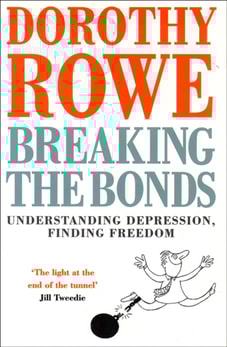
Depression: the imprisoning experience of isolation and fear which comes when we realise that there is a serious discrepancy between what we thought our life to be and what it actually is.
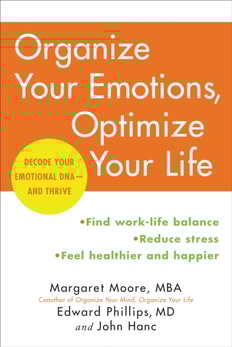
From a top wellness coach and a Harvard Medical School professor, comes this revolutionary book that will show you how to identify and decode your nine most basic emotional needsand coach yourself to a calmer, healthier, and happier life.
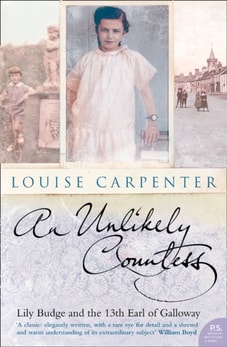
A vivid and moving portrait of the inimitable Lily Budge, who overcame poverty and class to become the 13th Countess of Galloway, and one of Scotland's most colourful eccentrics.
*; Outlines 10 steps for dying gracefully with the help of psychedelics, including how to navigate the complex legal landscape and find the right guide and therapy*; Looks at clinical studies of psychedelics from UCLA, Johns Hopkins, and NYU School of Medicine that show dramatic lessening of end-of-life anxiety in terminally ill patients*; Shares wisdom from experts on psychedelic research and palliative care, including Roland Griffiths, Katherine MacLean, Ira Byock, and Anthony BossisExamining the evolving landscape that is found around end-of-life psychedelic care, Dr.
Ultra-orthodox Jews in Jerusalem are isolated from the secular community that surrounds them not only physically but by their dress, behaviors, and beliefs.
Was denken Sie, wird möglich, wenn man das Know-how der Allgemeinmedizin mit der altbewährten Naturheilkunde sowie den vielfältigen Möglichkeiten der Alternativmedizin kombiniert?
'Beautiful to read and packed with cutting-edge science' Observer'Poetic, mind-stretching and, through it all, deeply human' Daniel LevitinMental illness is one of the greatest causes of human suffering, its nature and origin a long-held mystery.
The shocking true story of the infected blood scandal: the worst treatment disaster in NHS history, which saw people infected with HIV by a revolutionary medical treatment and a cover-up from governments and the multi-billion-dollar plasma industry.
From the bestselling author of Happiness and co-editor of the annual World Happiness ReportMost people now realize that economic growth, however desirable, will not solve all our problems.
The acclaimed portrait of institutionalized patients whose abandoned possessions recall their forgotten livesA deeply moving testament to the human side of mental illness.