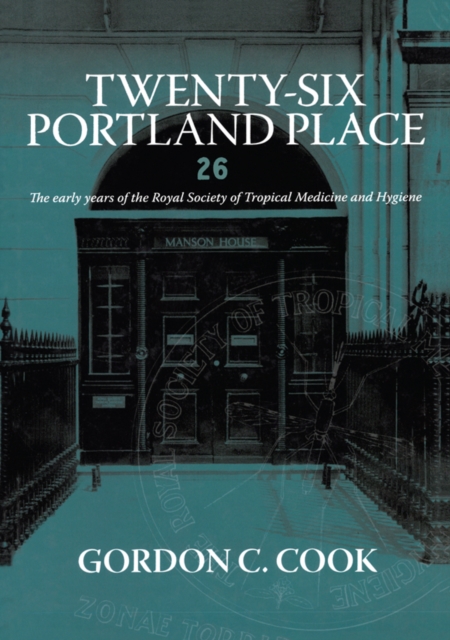
Twenty-Six Portland Place is a ground-breaking exploration of the early years of the Royal Society of Tropical Medicine and Hygiene, from its foundation in 1907 to its half-century in 1957.
In this unique, highly detailed examination, Gordon C Cook investigates the very beginnings of tropical medicine through the work of Dr George Low (1872-1952).
Cinema and medicine have been inextricably linked since the earliest days of film, with doctors appearing in fictional films before criminals, the clergy or even cowboys.
This work contains foreword by Ian R McWhinney, Emeritus Professor of General Practice, Schulich School of Medicine and Dentistry, Centre for Studies in Family Medicine University of Western Ontario, Canada.
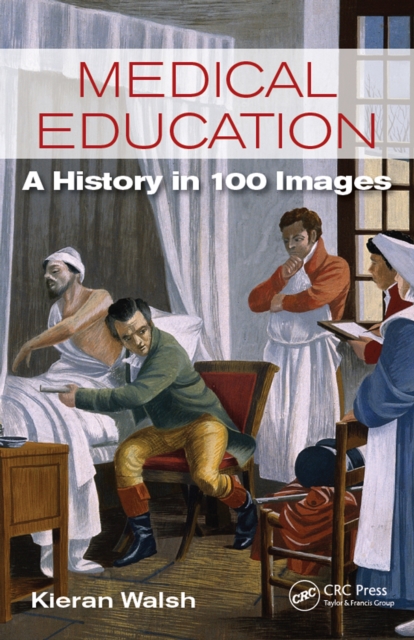
This fascinating guide to medical education introduces the reader to the historical development of this important subject through 100 powerful images from the prestigious Wellcome Library Collection that highlight key figures in the field and innovations that have taken place, not just in the recent past but over the centuries.
This comprehensive volume provides a balanced and easily readable account of the rise of modern sleep medicine, its history and developmental milestones.
This remarkably insightful book gives true meaning to the apocryphal moan from the pharmaceutical CEO as he traveled home after an FDA slap down: Drug development aint for sissies.
Fall from Grace is a candid, personal history of an academic physician and biotechnology executive that reflects on medicine as it was in the mid-twentieth century and chronicles the changes in society and medicine during the second half of that century.
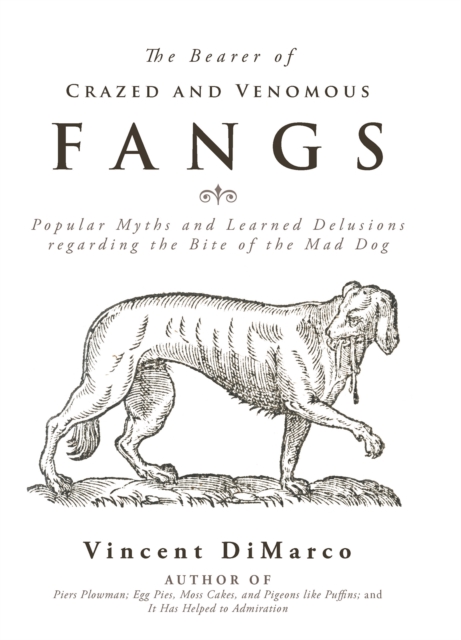
For centuries prior to the development of an effective vaccination against rabies, the bite of a mad dog was linked to a horrific ailment marked by convulsions, an utter dread of swallowing liquids, uncontrollable thrashing, and even the tendency to bark and attempt to bite othersa horrid prelude to an agonizing death.
Beginning with the earliest records available describing the dental health of the Indians before the arrival of European settlers, Dr Gullett gives a detailed and carefully documented history of dentistry in Canada.
Beginning with the earliest records available describing the dental health of the Indians before the arrival of European settlers, Dr Gullett gives a detailed and carefully documented history of dentistry in Canada.
This authoritative handbook, with its clear, concise descriptions of the important features of many common infectious diseases, will serve as a valuable guide for medical students and physicians in general paediatric practice.
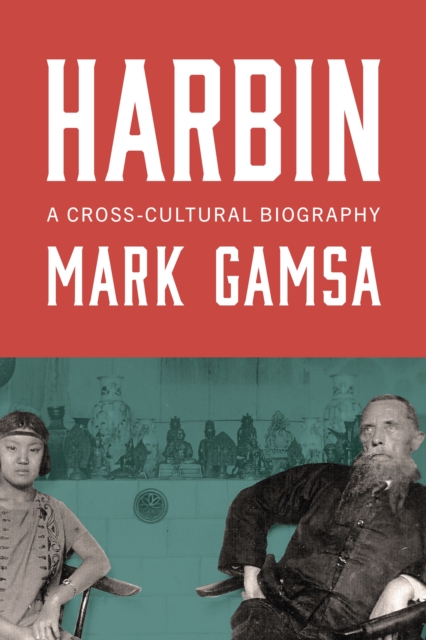
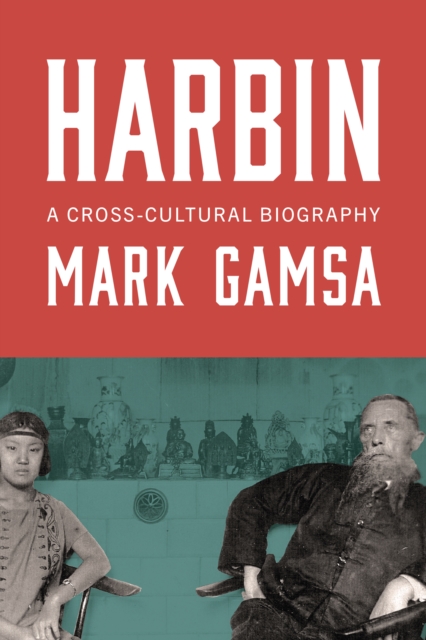
This book offers an intimate portrait of early twentieth-century Harbin, a city in Manchuria where Russian colonialists, and later refugees from the Revolution, met with Chinese migrants.
This book offers an intimate portrait of early twentieth-century Harbin, a city in Manchuria where Russian colonialists, and later refugees from the Revolution, met with Chinese migrants.
The history of the dental program at Western University is a spirited and gritty story of grand visions, strong personalities, and contentious leadership.
The history of the dental program at Western University is a spirited and gritty story of grand visions, strong personalities, and contentious leadership.
Henry Daniel, fourteenth-century medical writer, Dominican friar, and contemporary of Chaucer, is one of the most neglected figures to whom we can attribute a substantial body of extant works in Middle English.
Henry Daniel, fourteenth-century medical writer, Dominican friar, and contemporary of Chaucer, is one of the most neglected figures to whom we can attribute a substantial body of extant works in Middle English.
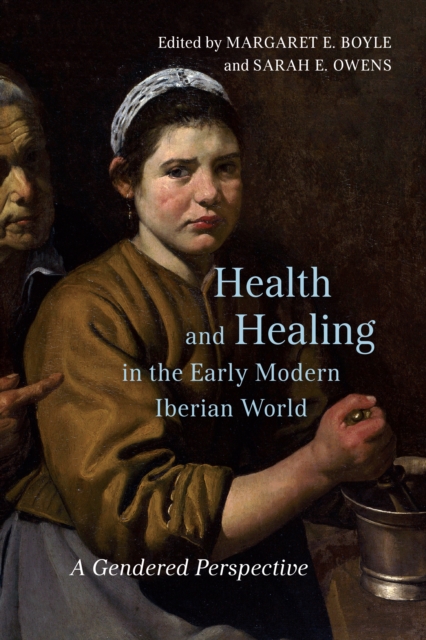
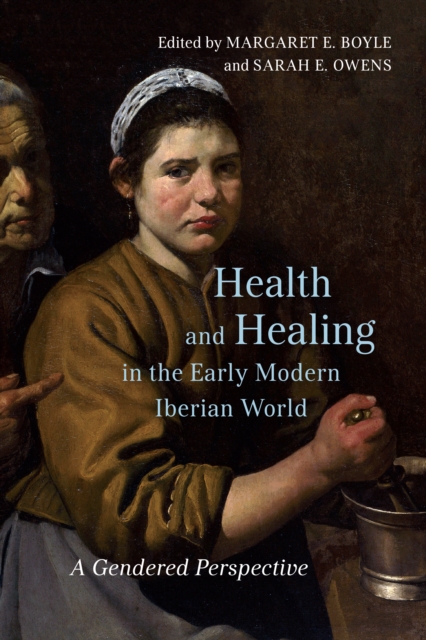
Recognizing the variety of health experiences across geographical borders, Health and Healing in the Early Modern Iberian World interrogates the concepts of "e;health"e; and "e;healing"e; between 1500 and 1800.
Recognizing the variety of health experiences across geographical borders, Health and Healing in the Early Modern Iberian World interrogates the concepts of "e;health"e; and "e;healing"e; between 1500 and 1800.
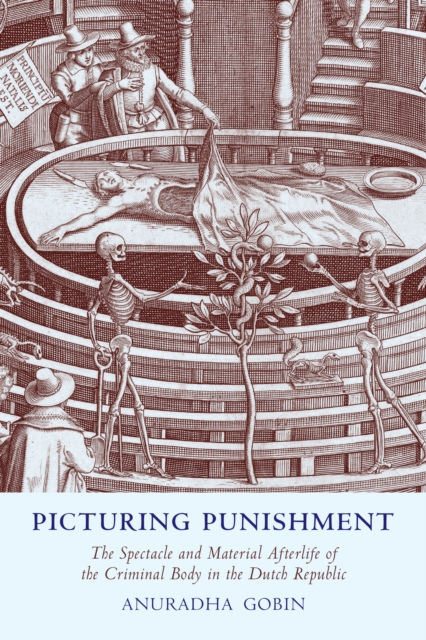
Picturing Punishment examines representations of criminal bodies as they moved in, through, and out of publicly accessible spaces in the city during punishment rituals in the seventeenth-century Dutch Republic.
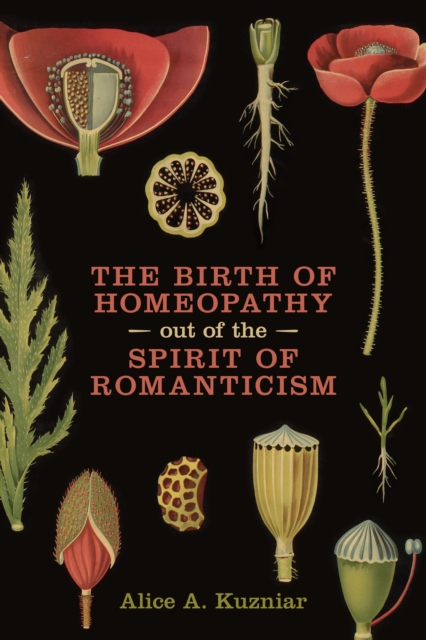
Homeopathy was founded in 1796 by the German physician Samuel Hahnemann who ardently proposed that "e;like cures like,"e; counter to the conventional treatment of prescribing drugs that have the opposite effect to symptoms.