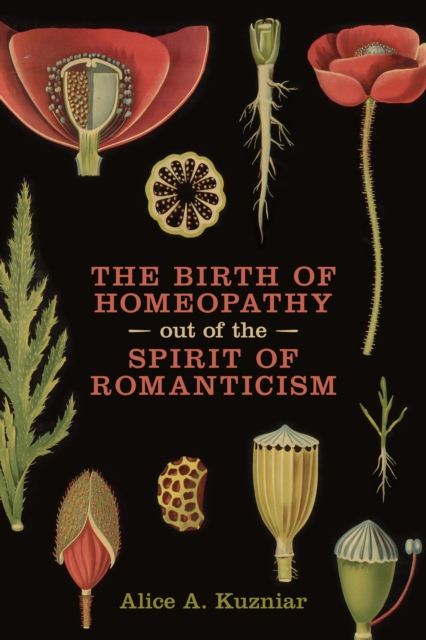
Homeopathy was founded in 1796 by the German physician Samuel Hahnemann who ardently proposed that "e;like cures like,"e; counter to the conventional treatment of prescribing drugs that have the opposite effect to symptoms.
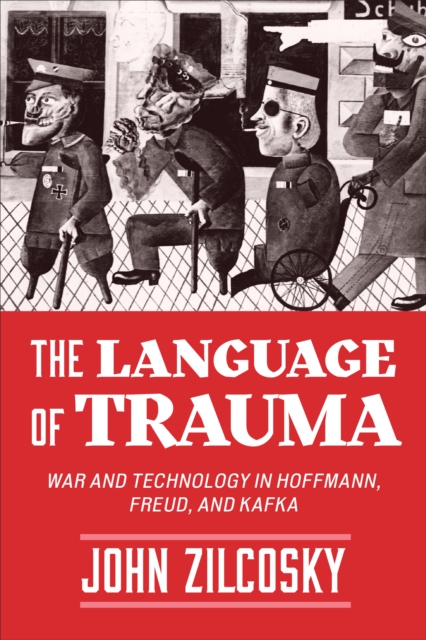
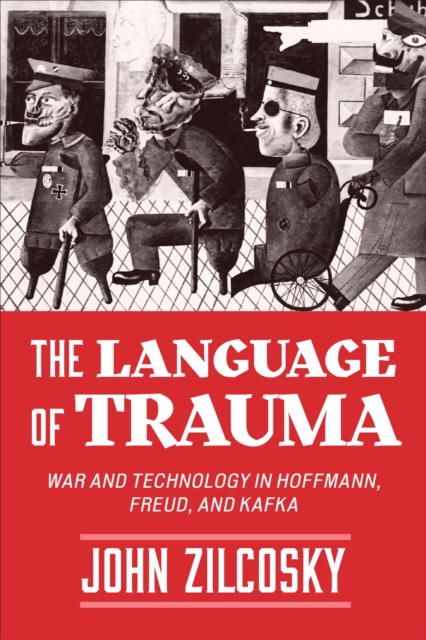
From the Napoleonic Wars to the invention of the railway to the shell shock of World War I, writers tried to give voice to the suffering that war and industrial technology had wrought all around them.
From the Napoleonic Wars to the invention of the railway to the shell shock of World War I, writers tried to give voice to the suffering that war and industrial technology had wrought all around them.
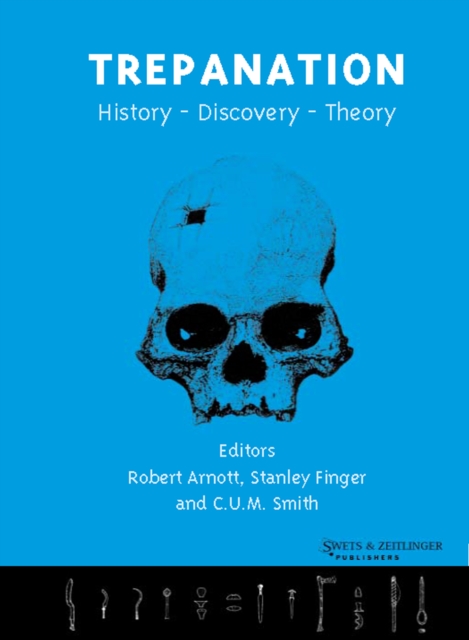
This volume will look at the history of trepanation, the identification of skulls, the tools used to make the cranial openings, and theories as to why trepanation might have been performed many thousands of years ago.
This volume describes important medical discoveries, from the introduction of the first antibiotic to the present, where serendipity, intuition, coincidence, or laboratory accident played an important role in bringing a discovery to light.
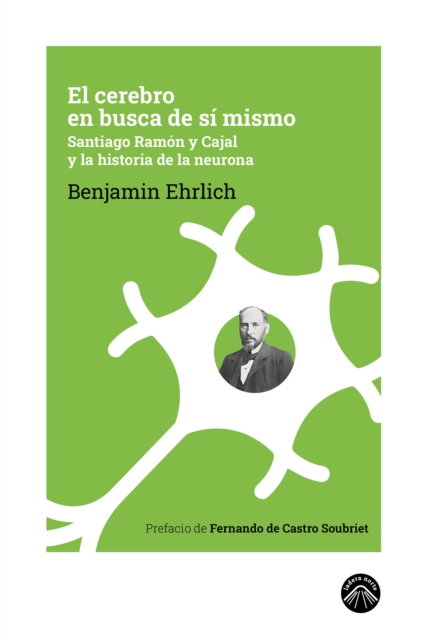
Santiago Ramón y Cajal, premio Nobel de Medicina y el mayor genio científico español de todos los tiempos, es retratado por fin en toda su complejidad en esta emocionante biografía.
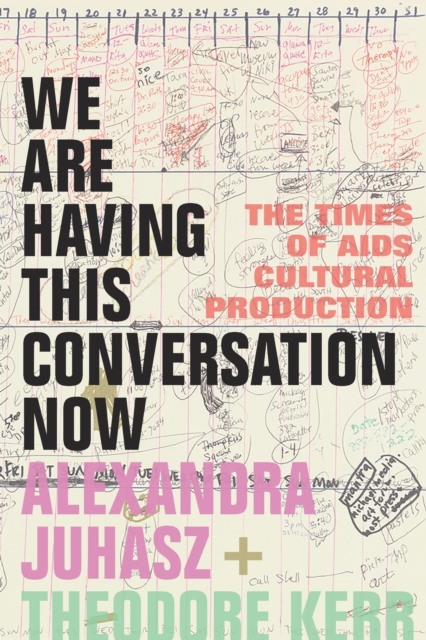
We Are Having This Conversation Now offers a history, present, and future of AIDS through thirteen short conversations between Alexandra Juhasz and Theodore Kerr, scholars deeply embedded in HIV responses.
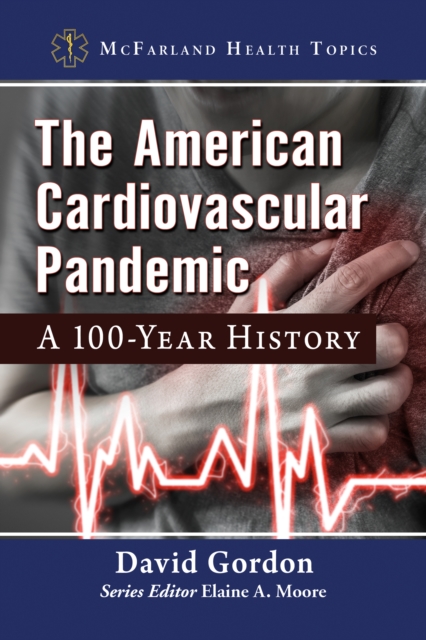
As Americans and citizens of other industrializing countries began to enjoy lives of increasing affluence and ease during the first half of the 20th century, a rising tide of heart attacks and strokes displaced infectious diseases as the leading cause of death, killing millions in the United States and throughout the world.
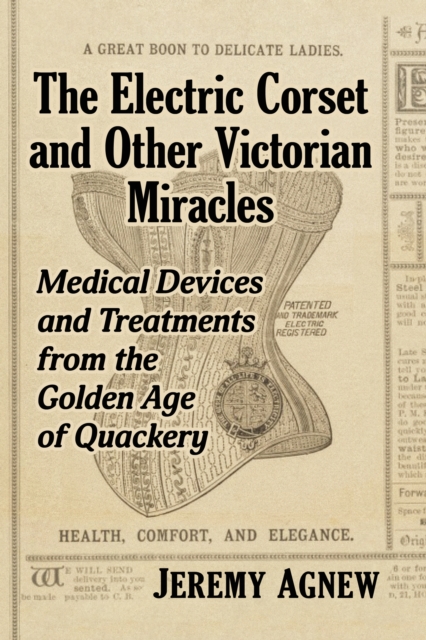
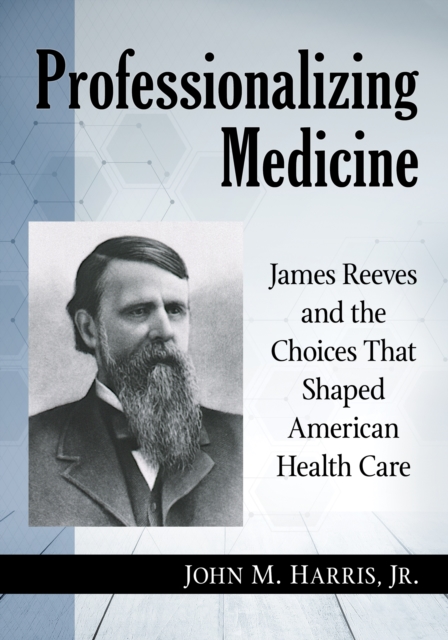
This biography of James Edmund Reeves, whose legislative accomplishments cemented American physicians' control of the medical marketplace, illuminates landmarks of American health care: the troubled introduction of clinical epidemiology and development of botanic medicine and homeopathy, the Civil War's stimulation of sanitary science and hospital medicine, the rise of government involvement, the revolution in laboratory medicine, and the explosive growth of phony cures.
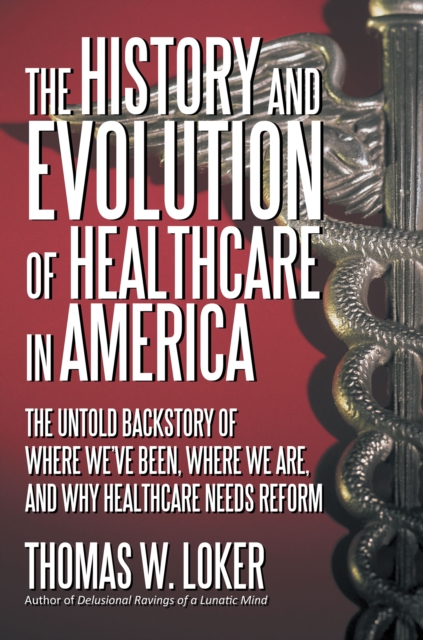
From the beginning of mankind, health and health issues have played a major role in life, but the issues and care have evolved enormously from the time when the first settlers set foot in America to the present.
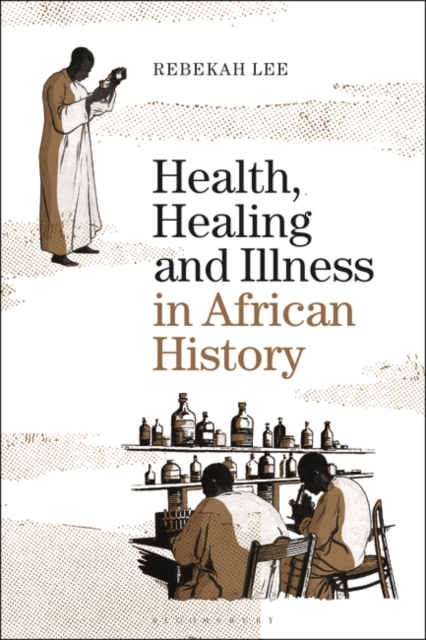
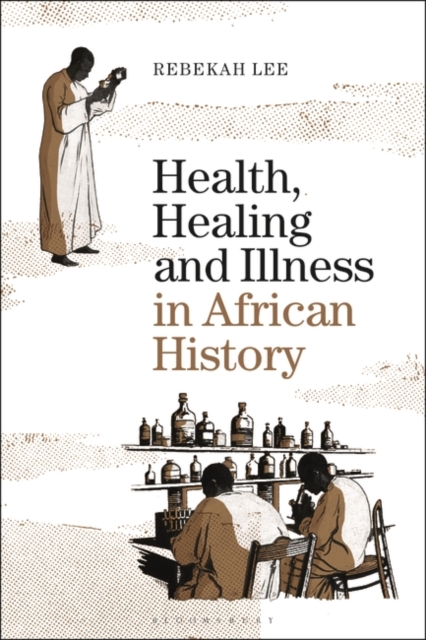
In this book, Rebekah Lee offers a critical introduction to the diverse history of health, healing and illness in sub-Saharan Africa from the 1800s to the present day.
In this book, Rebekah Lee offers a critical introduction to the diverse history of health, healing and illness in sub-Saharan Africa from the 1800s to the present day.
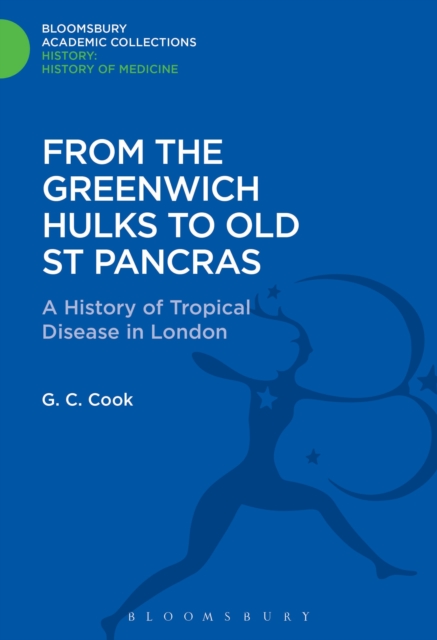
Cook explores the development of clinical tropical medicine from the 19th century onwards by following the pioneering doctors in this discipline, their personalities, achievements and scientific breakthroughs.
Ten Follies: A Journey Around the World in Ten Forms of Madness focuses on a critical question in the history of psychiatry: to what extent does psychopathology describe phenomena that exist before or beyond their description?
'This is history with a surgeon's touch: deft, incisive and sometimes excruciatingly bloody' The Sunday Times'Utterly eccentric and riveting' Mail on Sunday 'Eye-opening and, frequently, eye-watering .
This book explores the vital role language plays in shaping how we understand and discuss medicines, making for a more detailed study of pharmaceutical and pharmacological language to more clearly understand the intersection of language, health, and culture.
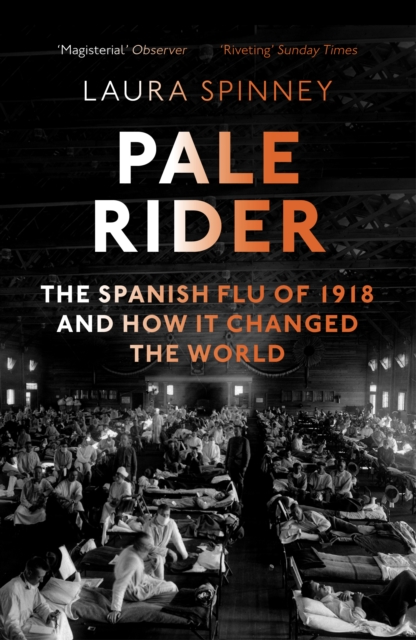
Read the devastating story of the Spanish flu - the twentieth century's greatest killer and discover what it can teach us about the current Covid-19 pandemic.
Although the study of traditional Chinese medicine has attracted unprecedented attention in recent years, Western knowledge of it has been limited because, until now, not a single Chinese classical medical text has been available in a serious philological translation.
The biography of an American pioneer of medical surgery, Physick was responsible for huge advances during his lifetime, designing several new instruments and one of the first people to commonly use autopsy as a regular means of observation.
'Wonderful, thoughtful, practical' - Cariad Lloyd, Griefcast'Encouraging and inspiring' - Dr Kathryn Mannix, author of Amazon bestseller With the End in MindWe all know how this ends is a new approach to death and dying, showing how exploring our mortality really can change our lives.
'Wonderful, thoughtful, practical' - Cariad Lloyd, Griefcast'Encouraging and inspiring' - Dr Kathryn Mannix, author of Amazon bestseller With the End in MindWe all know how this ends is a new approach to death and dying, showing how exploring our mortality really can change our lives.