Full of inspiring stories of patients who have achieved remissions and miraculous cures for illnesses such as mulitple sclerosis and cancer, Dr Siegel shows us how emotions such as love, hope, joy and peace of mind have strong physiological effects on each of us, as do depression and dispair.
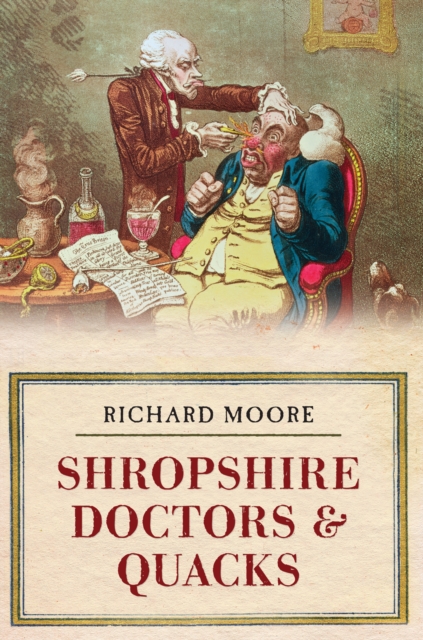
Most histories of medicine focus on the elite royal colleges of London and the exotic diseases and squalor of the city slums, but, according to Richard Moore, the real story of the emergence of healthcare as an integral component of the welfare state was written in the provincial shires.
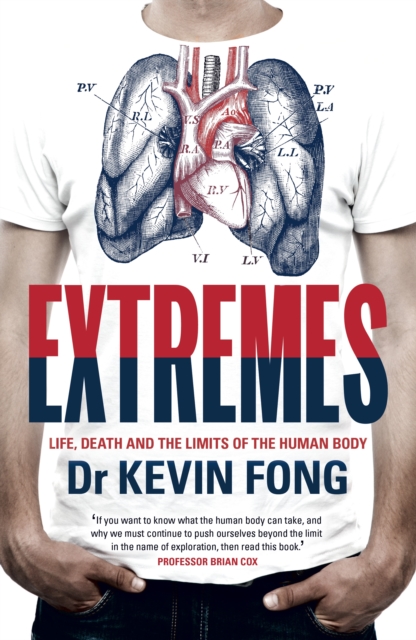
In anaesthetist Dr Kevin Fong's television programmes he has often demonstrated the impact of extremes on the human body by using his own body as a 'guinea pig'.
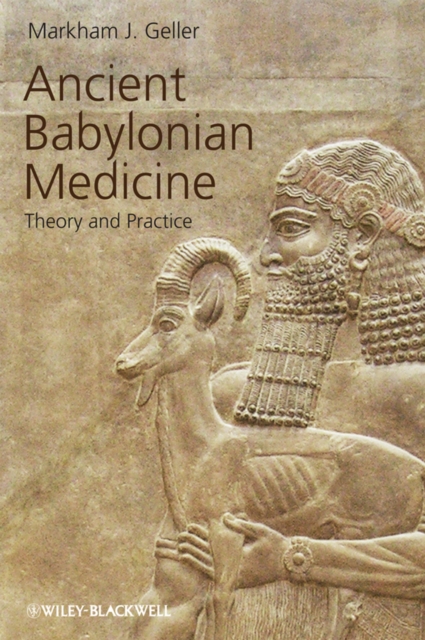
Utilizing a great variety of previously unknown cuneiform tablets, Ancient Babylonian Medicine: Theory and Practice examines the way medicine was practiced by various Babylonian professionals of the 2nd and 1st millennium B.
This collection, by an international team of scholars, presents exciting research currently being undertaken on early modern Italy which questions the conventional boundaries of medical history.
The History of Medicine is an amiable amble through medicine's past, designed as a primer for those taking history of medicine modules as part of their studies and for the wider public seeking a relaxed yet informative read.
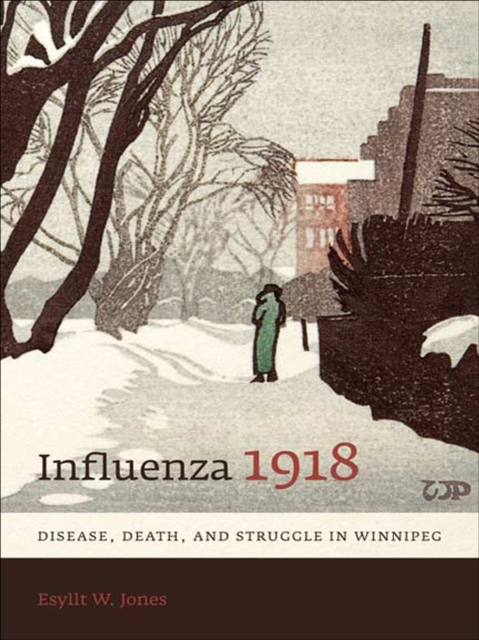
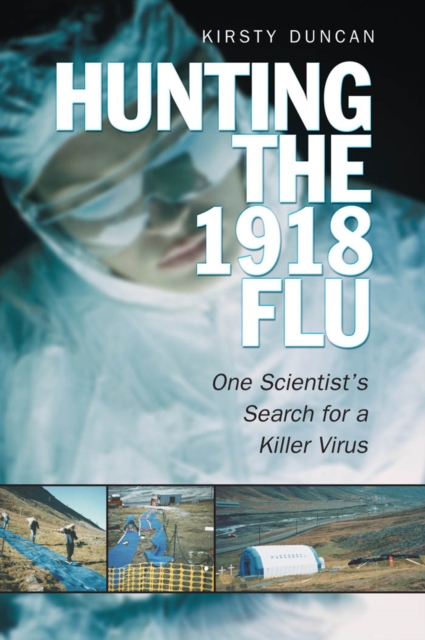
In 1918 the Spanish flu epidemic swept the world and killed an estimated 20 to 40 million people in just one year, more than the number that died during the four years of the First World War.
In 1918 the Spanish flu epidemic swept the world and killed an estimated 20 to 40 million people in just one year, more than the number that died during the four years of the First World War.
In her meticulously researched history, Cheryl Krasnick Warsh challenges readers to rethink the norms of women's health and treatment in Canada and the United States since 1800.
Sometimes, history can solve a medical mystery; at other times, it can point to the right treatment or console a despairing doctor by demonstrating a timeless connection to unchanging aspects of human existence.
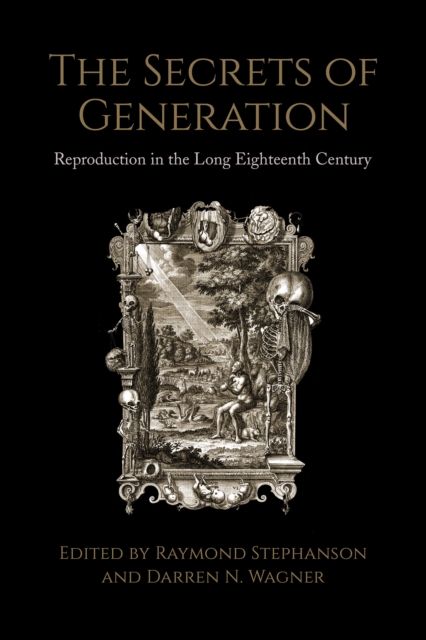
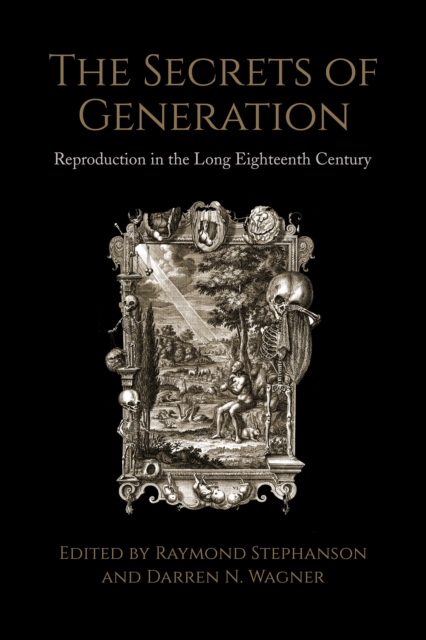
From theories of conception and concepts of species to museum displays of male genitalia and the politics of breastmilk, The Secrets of Generation is an interdisciplinary examination of the many aspects of reproduction in the eighteenth century.
From theories of conception and concepts of species to museum displays of male genitalia and the politics of breastmilk, The Secrets of Generation is an interdisciplinary examination of the many aspects of reproduction in the eighteenth century.
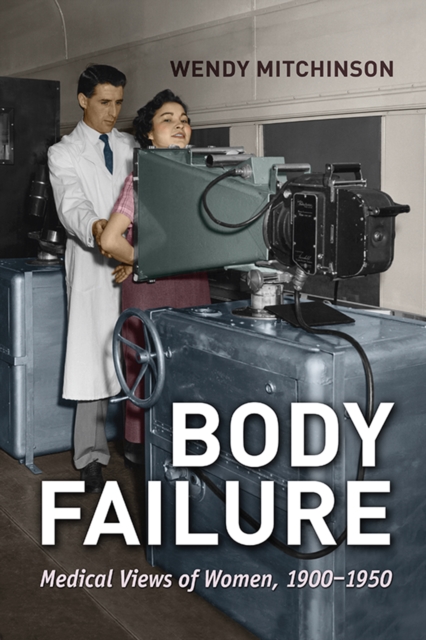
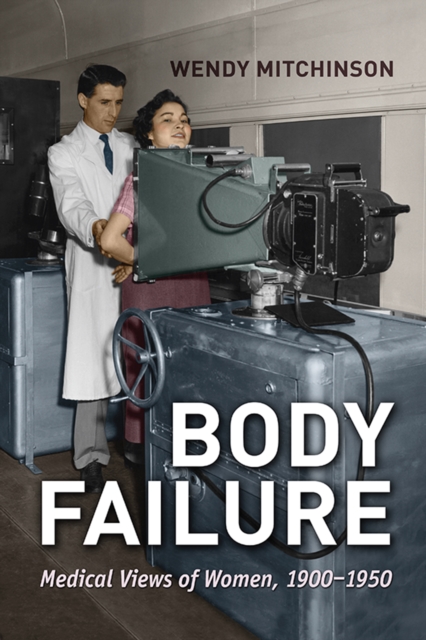
In this energetic new study, Wendy Mitchinson traces medical perspectives on the treatment of women in Canada in the first half of the twentieth century.
In this energetic new study, Wendy Mitchinson traces medical perspectives on the treatment of women in Canada in the first half of the twentieth century.
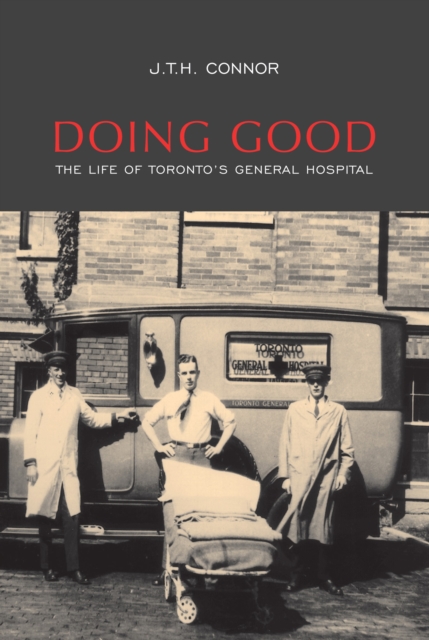
The University of Toronto’s Faculty of Medicine is North America’s largest medical school and a major health consortium, boasting nine affiliated teaching hospitals and a network of research institutes.
The University of Toronto’s Faculty of Medicine is North America’s largest medical school and a major health consortium, boasting nine affiliated teaching hospitals and a network of research institutes.
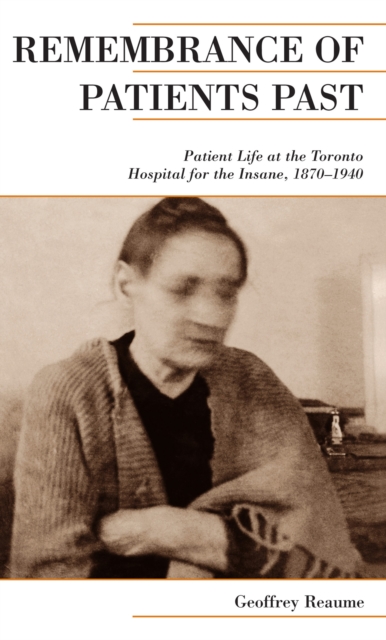
In Remembrance of Patients Past, historian Geoffrey Reaume remembers previously forgotten psychiatric patients by examining in rich detail their daily life at the Toronto Hospital for the Insane (now called the Centre for Addiction and Mental Health - CAMH) from 1870-1940.