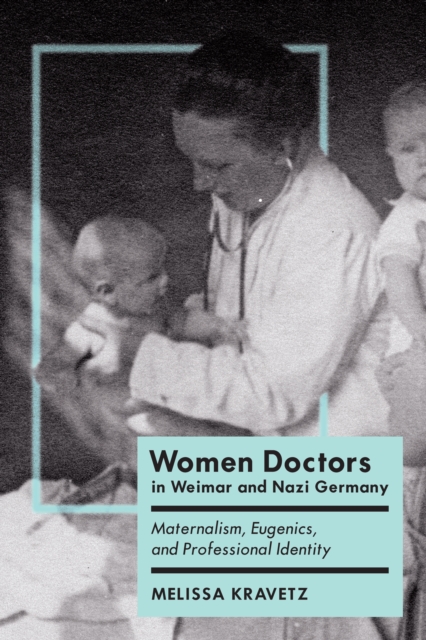
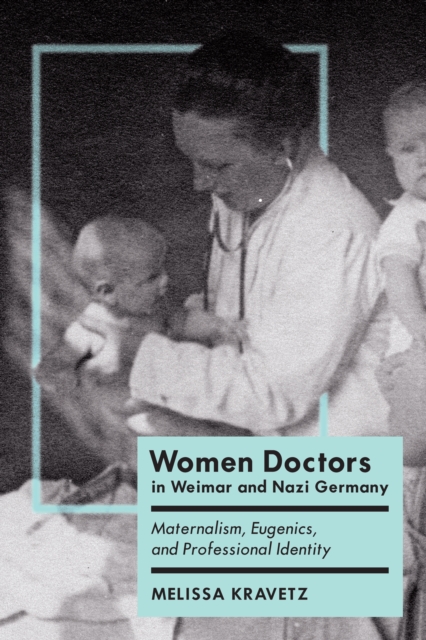
Examining how German women physicians gained a foothold in the medical profession during the Weimar and Nazi periods, Women Doctors in Weimar and Nazi Germany reveals the continuity in rhetoric, strategy, and tactics of female doctors who worked under both regimes.
Examining how German women physicians gained a foothold in the medical profession during the Weimar and Nazi periods, Women Doctors in Weimar and Nazi Germany reveals the continuity in rhetoric, strategy, and tactics of female doctors who worked under both regimes.
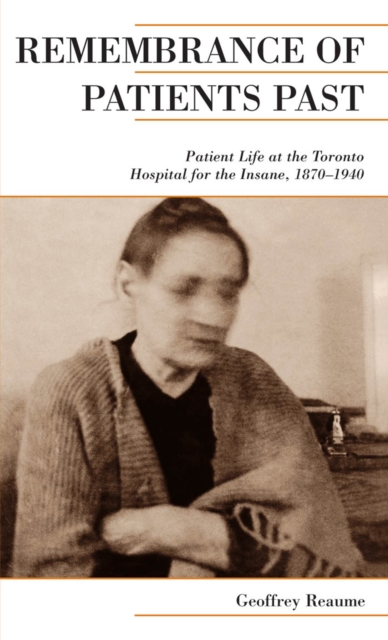
In Remembrance of Patients Past, historian Geoffrey Reaume remembers previously forgotten psychiatric patients by examining in rich detail their daily life at the Toronto Hospital for the Insane (now called the Centre for Addiction and Mental Health - CAMH) from 1870-1940.
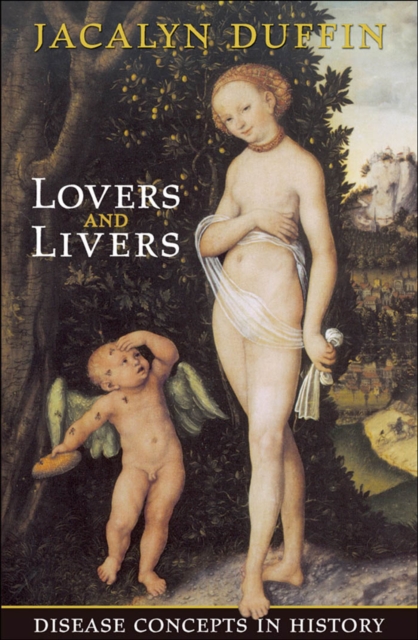
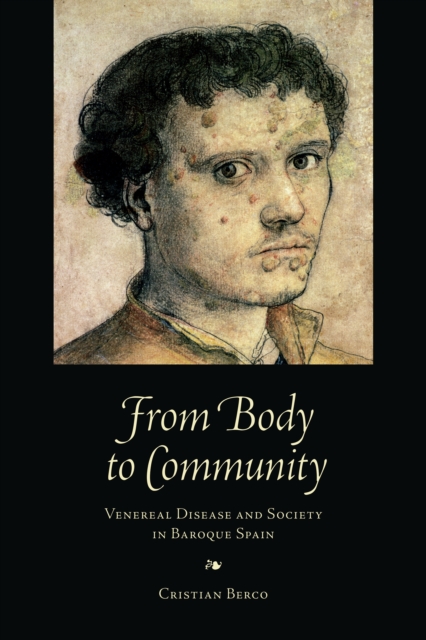
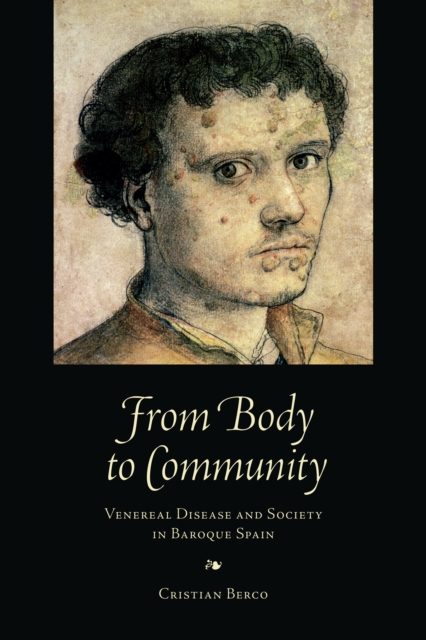
Known in early modern Europe by many names – the French Disease, the Bubas, and, eventually, syphilis – the Great Pox was a chronic disease that carried the stigma of sexuality and produced a slow and painful death.
Known in early modern Europe by many names – the French Disease, the Bubas, and, eventually, syphilis – the Great Pox was a chronic disease that carried the stigma of sexuality and produced a slow and painful death.
An exceptional showcase of interdisciplinary research, Critical Inquiries for Social Justice in Mental Health presents various critical theories, methodologies, and methods for transforming mental health research and fostering socially-just mental health practices.
An exceptional showcase of interdisciplinary research, Critical Inquiries for Social Justice in Mental Health presents various critical theories, methodologies, and methods for transforming mental health research and fostering socially-just mental health practices.
Cattle Plague: A History is divided into five sections, dealing with the nature of the virus, followed by a chronological history of its occurrence in Europe from the Roman Empire to the final 20th century outbreaks; then administrative control measures through legislation, the principal players from the 18th century, followed by an analysis of some effects, political, economic and social.
Medical Wisdom and Doctoring aims to fill a need in the current medical literature for a resource that presents some of the classic wisdom of medicine, presented in a manner that can help today's physicians achieve their full potential.
While the coerced human experiments are notorious among all the atrocities under National Socialism, they have been marginalised by mainstream historians.
While the coerced human experiments are notorious among all the atrocities under National Socialism, they have been marginalised by mainstream historians.
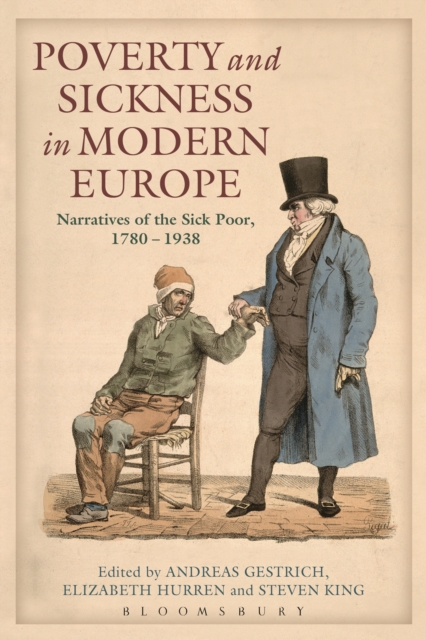
This book provides a genuinely pan-European analysis of pauper narratives, focusing on the experiences of the sick poor in England, France, Germany, Ireland, Luxembourg, Scotland, Spain, Sweden, Switzerland and Wales.
This book provides a genuinely pan-European analysis of pauper narratives, focusing on the experiences of the sick poor in England, France, Germany, Ireland, Luxembourg, Scotland, Spain, Sweden, Switzerland and Wales.
Medical Negligence in Victorian Britain is the first detailed exploration of the hundreds of charges of neglect against doctors who were contracted to the 'new' poor law after the Poor Law Amendment Act of 1834.
Medical Negligence in Victorian Britain is the first detailed exploration of the hundreds of charges of neglect against doctors who were contracted to the 'new' poor law after the Poor Law Amendment Act of 1834.
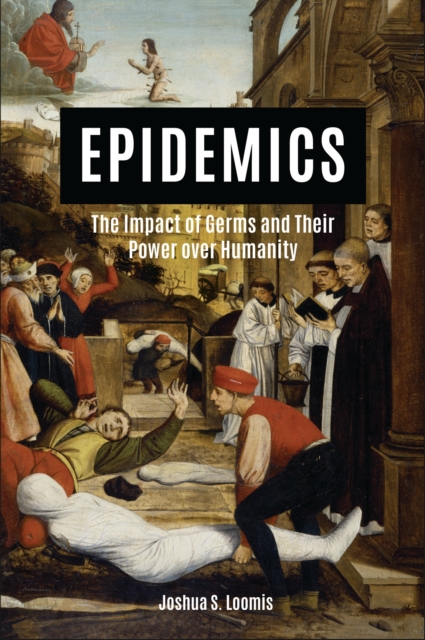
This book comprehensively reviews the 10 most influential epidemics in history, going beyond morbid accounts of symptoms and statistics to tell the often forgotten stories of what made these epidemics so calamitous.
Tuberculosis, once a leading cause of death in Europe and North America, was understood to be preventable and even curable by the early twentieth century.
In this highly provocative book, originally published in 1974, Sir George Pickering, former Professor of Medicine in the University of London and Regius Professor in the University of Oxford, examines the role of illness in the minds and lives of Charles Darwin, Florence Nightingale, Freud, Proust, Elizabeth Barrett Browning and Mary Baker Eddy.
Created by Harvard students for students everywhere, SparkNotes give you just what you need to succeed in school: Complete Plot Summary and AnalysisKey Facts About the WorkAnalysis of Major CharactersThemes, Motifs, and SymbolsExplanation of Important QuotationsAuthor's Historical ContextSuggested Essay Topics25-Question Review QuizThe Immortal Life of Henrietta Lacks features explanations of key themes, motifs, and symbols including: humanity; immortality and legacy; scientific racism; racialized poverty; hela cells; red nail polish.
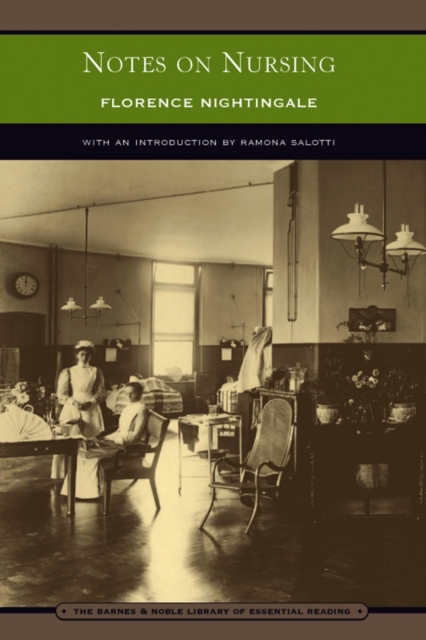
No one knows if Florence Nightingale deliberately set out to become a nursing champion, but it is clear that the 1859 publication of her book Notes on Nursing: What It Is, And What It Is Not secured her place in nursing history.
A gripping tale that traces medicine's extraordinary historyKill or Cure tells the riveting history of medicine from chipping holes in skulls to the latest gene therapy and revolutionary cancer treatments.
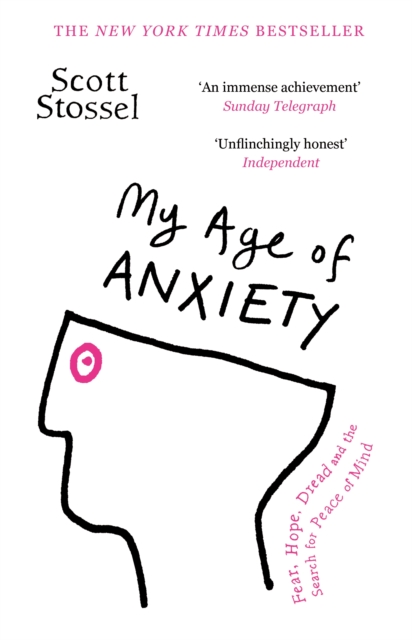
THE NEW YORK TIMES BESTSELLER and SHORTLISTED FOR THE WELLCOME BOOK PRIZE 2015 As recently as thirty-five years ago, anxiety did not exist as a diagnostic category.
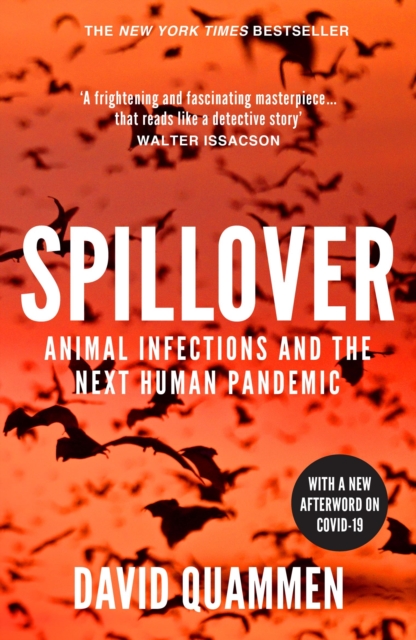
Read this gripping, timely book about the transmission of deadly viruses from animal to human populations, and how we can fight the current Covid-19 pandemic.
This book situates John Clare's long, prolific but often badly neglected literary life within the wider cultural histories of the Regency and earlier Victorian periods.