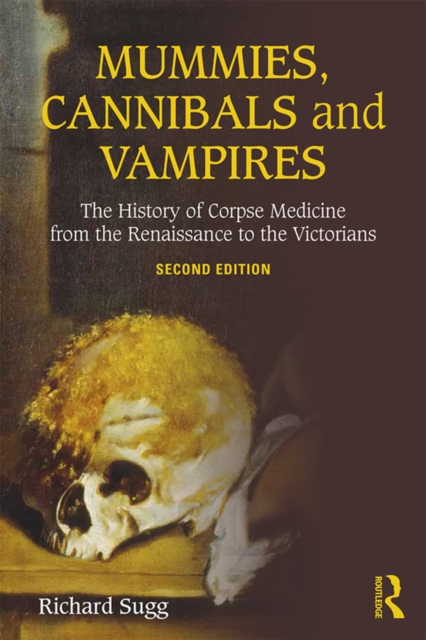
Mummies, Cannibals and Vampires charts in vivid detail the largely forgotten history of European corpse medicine, which saw kings, ladies, gentlemen, priests and scientists prescribe, swallow or wear human blood, flesh, bone, fat, brains and skin in an attempt to heal themselves of epilepsy, bruising, wounds, sores, plague, cancer, gout and depression.
In the late nineteenth century on the eve of the formation of Australia as a nation-state in 1902, the Australian medical system could be best described as a pluralistic one in the sense that while regular medicine constituted the predominant medical system, it was not clearly the dominant one in that regular physicians faced competition from a wide array of alternative practitioners.
In the late nineteenth century on the eve of the formation of Australia as a nation-state in 1902, the Australian medical system could be best described as a pluralistic one in the sense that while regular medicine constituted the predominant medical system, it was not clearly the dominant one in that regular physicians faced competition from a wide array of alternative practitioners.
This volume of thirteen essays focuses on the health and treatment of the peoples of northern Europe and North America over the course of the nineteenth and twentieth centuries.
This volume of thirteen essays focuses on the health and treatment of the peoples of northern Europe and North America over the course of the nineteenth and twentieth centuries.
This study demonstrates the emergence and development of the identity of the 'military medical officer' and places their work within the broader context of changes to British medicine during the first half of the nineteenth century.
This study demonstrates the emergence and development of the identity of the 'military medical officer' and places their work within the broader context of changes to British medicine during the first half of the nineteenth century.
Although the figure of the 'desperate housewife' is familiar to us, Haggett suggests that many women in the 1950s and '60s led satisfying lives and that gender roles, while very different, were often seen as equal.
Although the figure of the 'desperate housewife' is familiar to us, Haggett suggests that many women in the 1950s and '60s led satisfying lives and that gender roles, while very different, were often seen as equal.
Early modern physicians and surgeons tried desperately to understand breast cancer, testing new medicines and radically improving operating techniques.
Early modern physicians and surgeons tried desperately to understand breast cancer, testing new medicines and radically improving operating techniques.
The contributors to this collection look into the experiences of women in the Western world going through pregnancy and birth over the last hundred years.
The contributors to this collection look into the experiences of women in the Western world going through pregnancy and birth over the last hundred years.
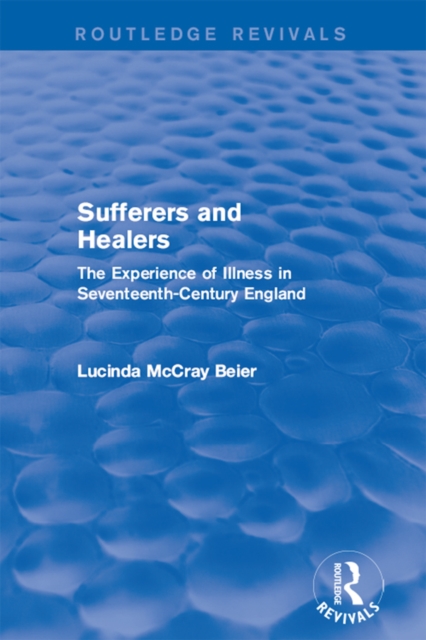
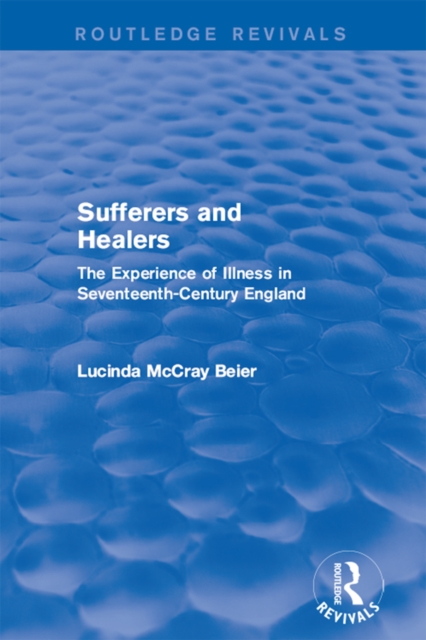
Lucinda McCray Beier's remarkable book, first published in 1987, enters the world of illness in seventeenth-century England, exploring what it was like to be either a sufferer or a healer.
Lucinda McCray Beier's remarkable book, first published in 1987, enters the world of illness in seventeenth-century England, exploring what it was like to be either a sufferer or a healer.
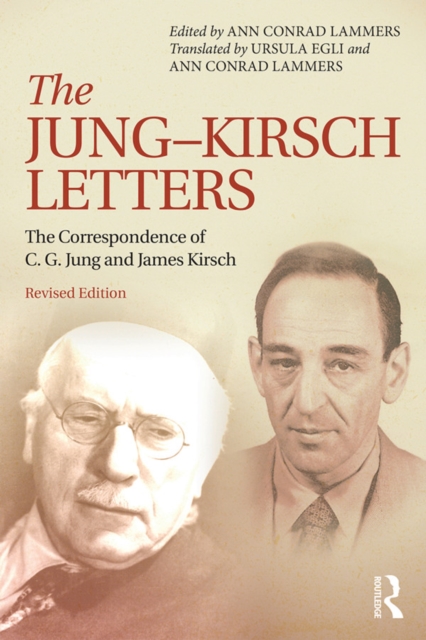
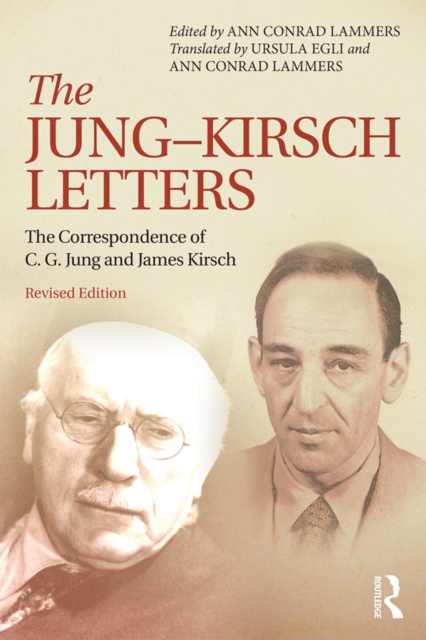
This book charts Carl Gustav Jung's 33-year (1928-61) correspondence with James Kirsch, adding depth and complexity to the previously published record of the early Jungian movement.
This book charts Carl Gustav Jung's 33-year (1928-61) correspondence with James Kirsch, adding depth and complexity to the previously published record of the early Jungian movement.
Since the 1970s, research into 'Intersex' has been a central fascination for feminist theorists seeking to make arguments about how men and women are created as social/gender categories.
Interpreting and the Politics of Recognition investigates the historical, ethical and professional dimensions of this, arguably, most widespread form of intercultural communication.
Interpreting and the Politics of Recognition investigates the historical, ethical and professional dimensions of this, arguably, most widespread form of intercultural communication.
This volume investigates the early modern understanding of twinship through new readings of plays, informed by discussions of twins appearing in such literature as anatomy tracts, midwifery manuals, monstrous birth broadsides, and chapbooks.
This volume investigates the early modern understanding of twinship through new readings of plays, informed by discussions of twins appearing in such literature as anatomy tracts, midwifery manuals, monstrous birth broadsides, and chapbooks.
Manuscripts containing Greek medical texts were inventoried by author and work at the beginning of the 20th century by a group of philologists under the direction of Hermann Diels.
In 1930 the Cretan healer Nikolaos Konstantinos Theodorakis of Meronas re-copied a notebook containing medical lore passed down through his family over generations.
In 1930 the Cretan healer Nikolaos Konstantinos Theodorakis of Meronas re-copied a notebook containing medical lore passed down through his family over generations.
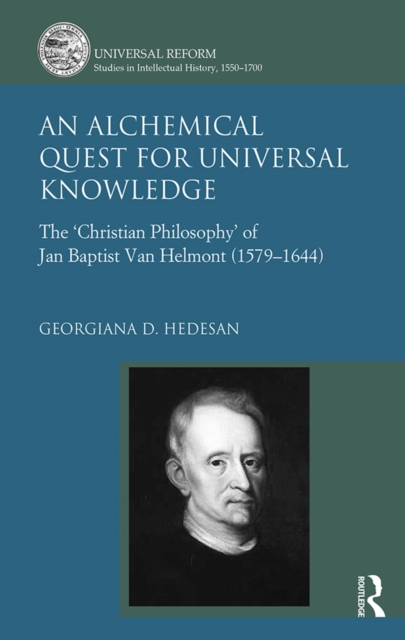
History of science credits the Flemish physician, alchemist and philosopher Jan Baptist Van Helmont (1579-1644) for his contributions to the development of chemistry and medicine.