Famine and Pestilence in the Late Roman and Early Byzantine Empire presents the first analytical account in English of the history of subsistence crises and epidemic diseases in Late Antiquity.
Famine and Pestilence in the Late Roman and Early Byzantine Empire presents the first analytical account in English of the history of subsistence crises and epidemic diseases in Late Antiquity.
This volume presents the first edition of the Arabic translation, by Hunayn ibn Ishaq, of Galen's Critical Days (De diebus decretoriis), together with the first translation of the text into a modern language.
This volume presents the first edition of the Arabic translation, by Hunayn ibn Ishaq, of Galen's Critical Days (De diebus decretoriis), together with the first translation of the text into a modern language.
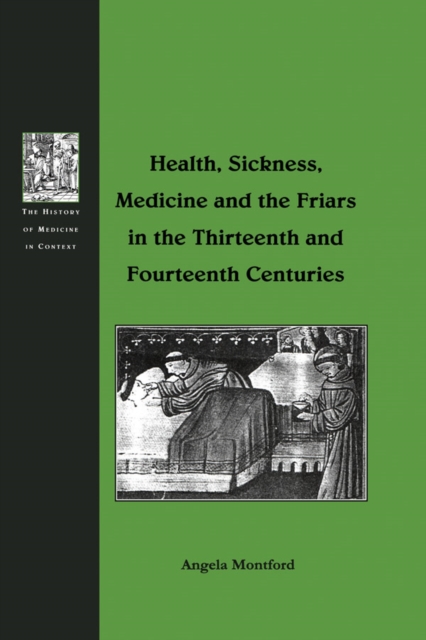
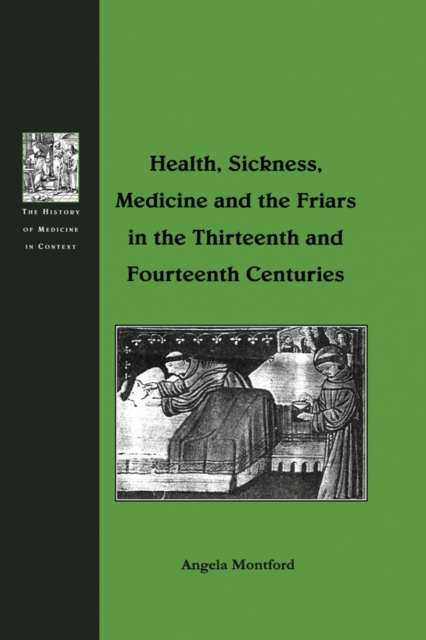
Health, Sickness, Medicine and the Friars in the Thirteenth and Fourteenth Centuries explores the attitudes and responses of the mendicant orders to illness, their contribution to medical history, the influence of health and sickness as a factor in the orders' decision making, the extent of their participation in treatments, their relationship with physicians or their own involvement in medical practice, and the problems which occurred as a result of these matters.
Health, Sickness, Medicine and the Friars in the Thirteenth and Fourteenth Centuries explores the attitudes and responses of the mendicant orders to illness, their contribution to medical history, the influence of health and sickness as a factor in the orders' decision making, the extent of their participation in treatments, their relationship with physicians or their own involvement in medical practice, and the problems which occurred as a result of these matters.
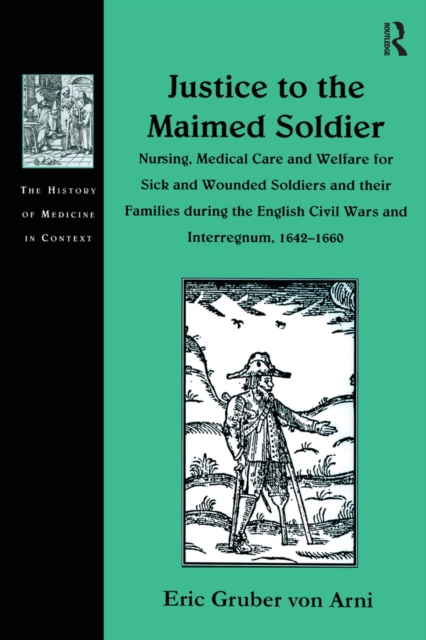
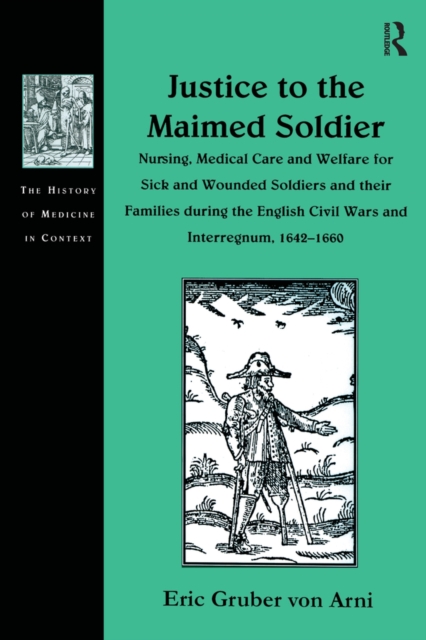
At the Restoration of the Monarchy in 1660, amongst the first acts of Charles II's government was the abolition of the New Model Army and the sweeping away of the legislation and institutions that had supported it, including most of the medical provisions provided by the republican regime.
At the Restoration of the Monarchy in 1660, amongst the first acts of Charles II's government was the abolition of the New Model Army and the sweeping away of the legislation and institutions that had supported it, including most of the medical provisions provided by the republican regime.
A team of two practitioners in psychosocial palliative care and an academic have drawn together the work of twenty-eight highly experienced practitioners.
A team of two practitioners in psychosocial palliative care and an academic have drawn together the work of twenty-eight highly experienced practitioners.
In the popular imagination, the notion of military medicine prior to the twentieth century is dominated by images of brutal ignorance, superstition and indifference.
In the popular imagination, the notion of military medicine prior to the twentieth century is dominated by images of brutal ignorance, superstition and indifference.
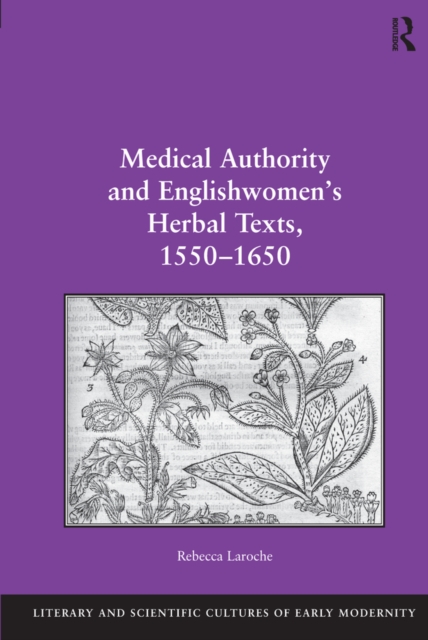
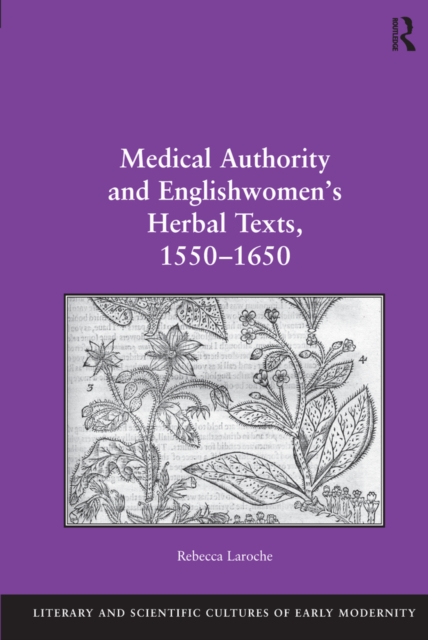
The first study to analyze print vernacular folio herbals from the standpoint of gender and to present original findings to do with early modern women's ownership of these herbals, Medical Authority and Englishwomen's Herbal Texts also looks at reasons and contexts behind early modern female writers claiming herbal practice.
The first study to analyze print vernacular folio herbals from the standpoint of gender and to present original findings to do with early modern women's ownership of these herbals, Medical Authority and Englishwomen's Herbal Texts also looks at reasons and contexts behind early modern female writers claiming herbal practice.
The Enlightenment period, here understood as covering the years 1650 to 1789, is usually considered to be a period when religion was obliged to give way to rationality.
The Enlightenment period, here understood as covering the years 1650 to 1789, is usually considered to be a period when religion was obliged to give way to rationality.
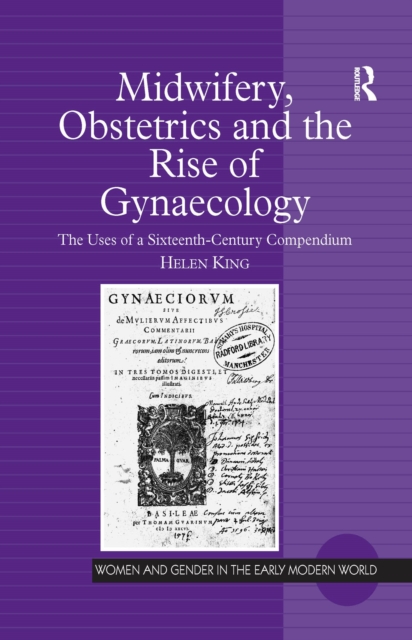
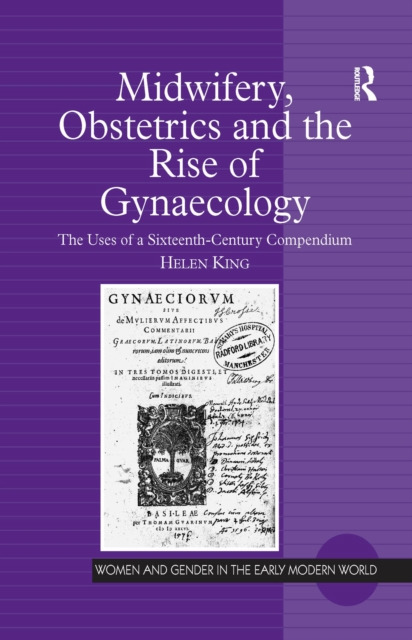
The Gynaeciorum libri, the 'Books on [the diseases of] women,' a compendium of ancient and contemporary texts on gynaecology, is the inspiration for this intensive exploration of the origins of a subfield of medicine.
The Gynaeciorum libri, the 'Books on [the diseases of] women,' a compendium of ancient and contemporary texts on gynaecology, is the inspiration for this intensive exploration of the origins of a subfield of medicine.
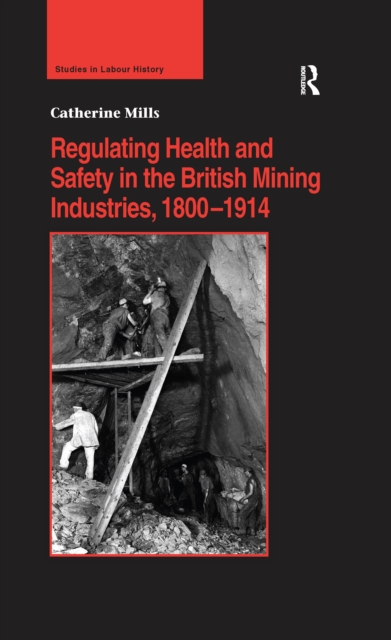
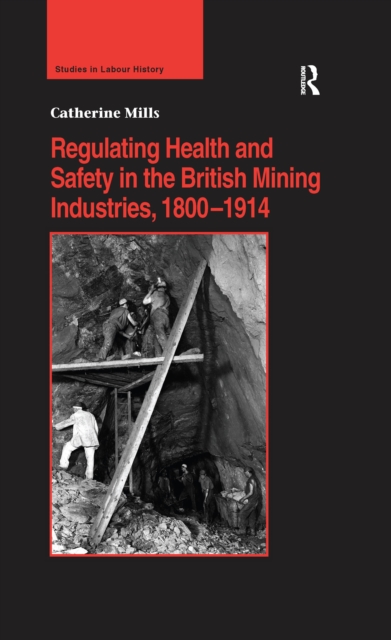
This book explores the emergence and growth of state responsibility for safer and healthier working practices in British mining and the responses of labour and industry to expanding regulation and control.
This book explores the emergence and growth of state responsibility for safer and healthier working practices in British mining and the responses of labour and industry to expanding regulation and control.
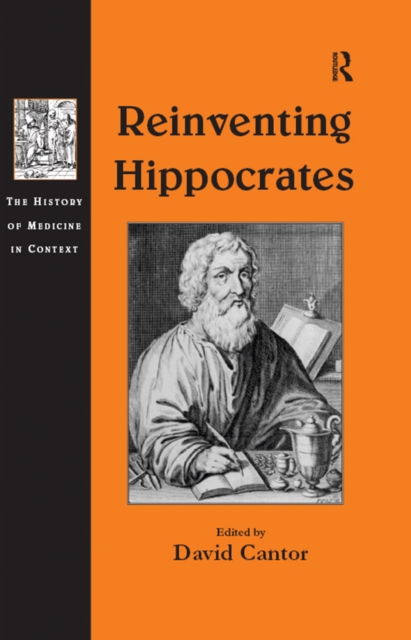
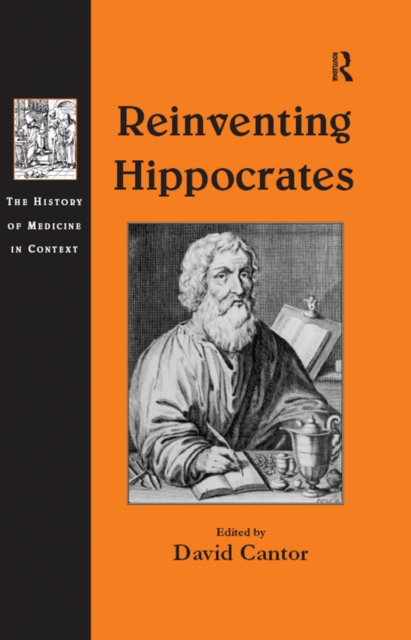
The name of Hippocrates has been invoked as an inspiration of medicine since antiquity, and medical practitioners have turned to Hippocrates for ethical and social standards.
The name of Hippocrates has been invoked as an inspiration of medicine since antiquity, and medical practitioners have turned to Hippocrates for ethical and social standards.
Histories of medicine and science are histories of political and social change, as well as accounts of the transformation of particular disciplines over time.
Histories of medicine and science are histories of political and social change, as well as accounts of the transformation of particular disciplines over time.
Central to this book is the idea that the United States is in the midst of a health care crisis, one that will be exacerbated as the population continues to age.
Central to this book is the idea that the United States is in the midst of a health care crisis, one that will be exacerbated as the population continues to age.
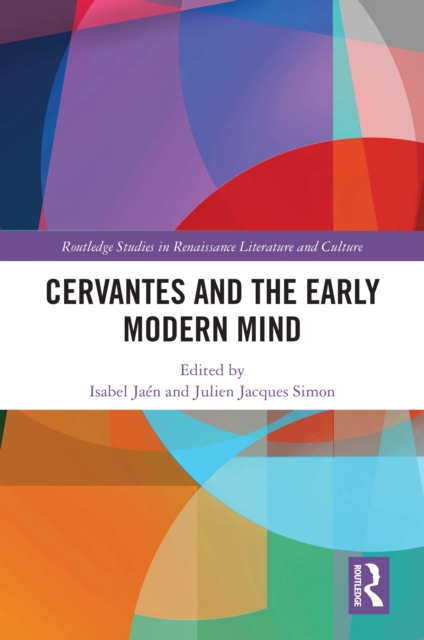
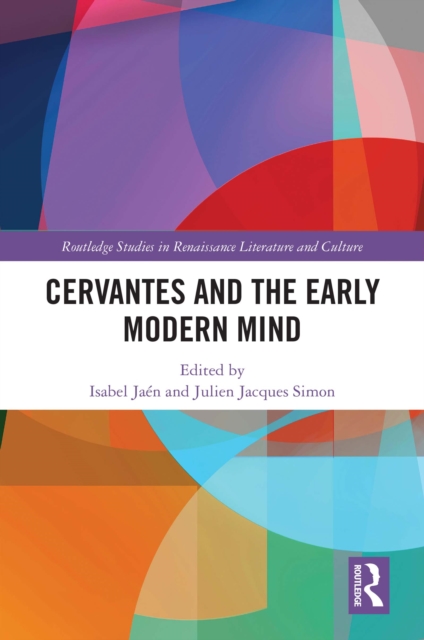
This book explores the work of Cervantes in relation to the ideas about the mind that circulated in early modern Europe and were propelled by thinkers such as Juan Luis Vives, Juan Huarte de San Juan, Oliva Sabuco, Andres Laguna, Andres Velasquez, Marsilio Ficino, and Gomez Pereira.
This book explores the work of Cervantes in relation to the ideas about the mind that circulated in early modern Europe and were propelled by thinkers such as Juan Luis Vives, Juan Huarte de San Juan, Oliva Sabuco, Andres Laguna, Andres Velasquez, Marsilio Ficino, and Gomez Pereira.