Bridging the gap between histories of medicine and political/institutional histories of the early modern crown, this book explores the relationship between one of the most highly bureaucratic regimes in early modern Europe, Spain, and crown interest in and regulation of medical practices.
Nursing Before Nightingale is a study of the transformation of nursing in England from the beginning of the nineteenth century until the emergence of the Nightingale nurse as the standard model in the 1890s.
Nursing Before Nightingale is a study of the transformation of nursing in England from the beginning of the nineteenth century until the emergence of the Nightingale nurse as the standard model in the 1890s.
Bringing together scholars from literature and the history of ideas, Passions and Subjectivity in Early Modern Culture explores new ways of negotiating the boundaries between cognitive and bodily models of emotion, and between different versions of the will as active or passive.
Bringing together scholars from literature and the history of ideas, Passions and Subjectivity in Early Modern Culture explores new ways of negotiating the boundaries between cognitive and bodily models of emotion, and between different versions of the will as active or passive.
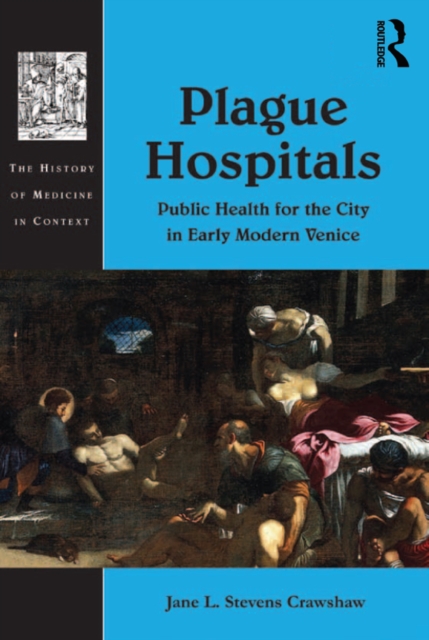
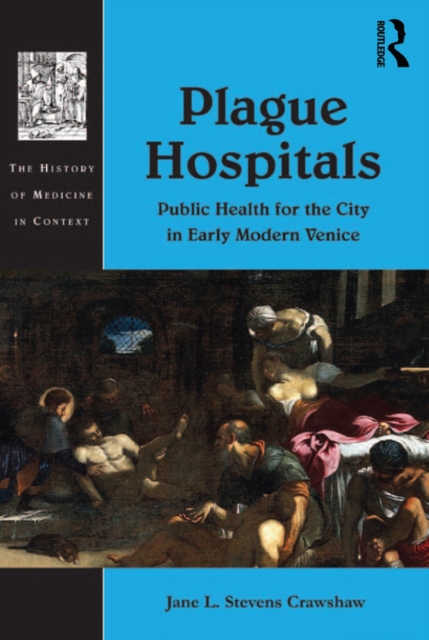
Developed throughout early modern Europe, lazaretti, or plague hospitals, took on a central role in early modern responses to epidemic disease, in particular the prevention and treatment of plague.
Developed throughout early modern Europe, lazaretti, or plague hospitals, took on a central role in early modern responses to epidemic disease, in particular the prevention and treatment of plague.
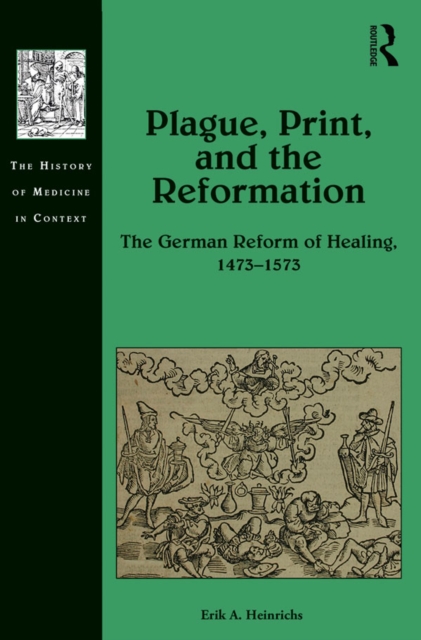
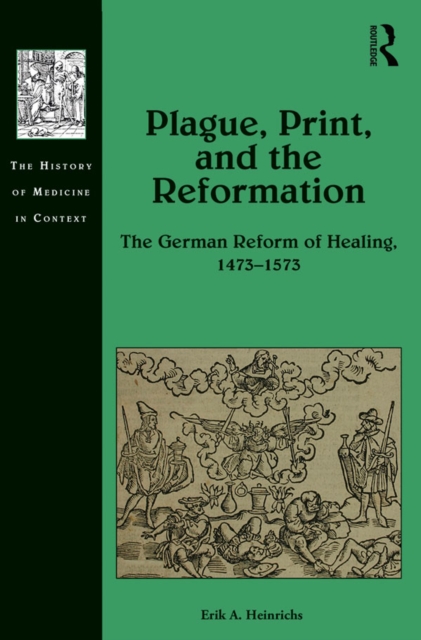
This book surveys a neglected set of sources, German plague prints and treatises published between 1473 and 1573, in order to explore the intertwined histories of plague, print, medicine and religion during the Reformation era.
This book surveys a neglected set of sources, German plague prints and treatises published between 1473 and 1573, in order to explore the intertwined histories of plague, print, medicine and religion during the Reformation era.
Mining a series of previously uncharted conversations springing up in 16th- and 17th-century popular medicine and culture, this study explores early modern England's significant and sustained interest in the hysterical diseases of women.
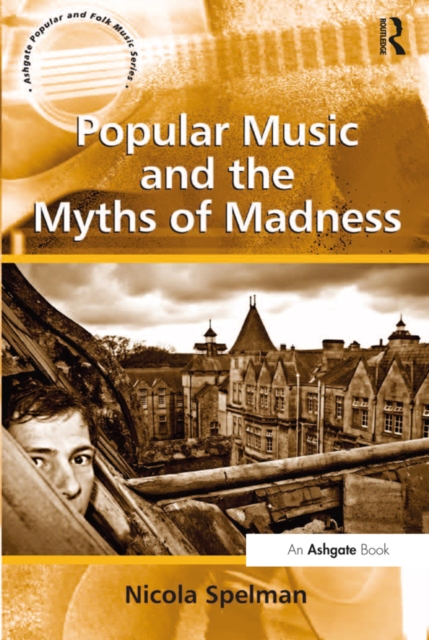
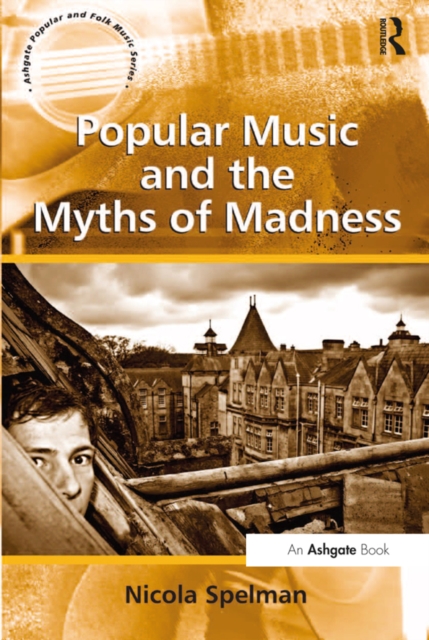
Studies of opera, film, television, and literature have demonstrated how constructions of madness may be referenced in order to stigmatise but also liberate protagonists in ways that reinforce or challenge contemporaneous notions of normality.
Studies of opera, film, television, and literature have demonstrated how constructions of madness may be referenced in order to stigmatise but also liberate protagonists in ways that reinforce or challenge contemporaneous notions of normality.
Mining a series of previously uncharted conversations springing up in 16th- and 17th-century popular medicine and culture, this study explores early modern England's significant and sustained interest in the hysterical diseases of women.
In 1746, Dr John Buchanan, recently retired as a medical officer in the British Army, produced a manuscript entitled, 'Regimental Practice, or a Short History of Diseases common to His Majesties own Royal Regiment of Horse Guards when abroad (Commonly called the Blews).
In 1746, Dr John Buchanan, recently retired as a medical officer in the British Army, produced a manuscript entitled, 'Regimental Practice, or a Short History of Diseases common to His Majesties own Royal Regiment of Horse Guards when abroad (Commonly called the Blews).
Through close analysis of texts, cultural and civic communities, and intellectual history, the papers in this collection, for the first time, propose a dynamic relationship between rhetoric and medicine as discourses and disciplines of cure in early modern Europe.
Through close analysis of texts, cultural and civic communities, and intellectual history, the papers in this collection, for the first time, propose a dynamic relationship between rhetoric and medicine as discourses and disciplines of cure in early modern Europe.
Susan Sontag in Illness as Metaphor and AIDS and Its Metaphors points to the vital connection between metaphors and bodily illnesses, though her analyses deal mainly with modern literary works.
Susan Sontag in Illness as Metaphor and AIDS and Its Metaphors points to the vital connection between metaphors and bodily illnesses, though her analyses deal mainly with modern literary works.
Roman Domestic Medical Practice in Central Italy examines the roles that the home, the garden and the members of the household (freeborn, freed and slave) played in the acquisition and maintenance of good physical and mental health and well-being.
Roman Domestic Medical Practice in Central Italy examines the roles that the home, the garden and the members of the household (freeborn, freed and slave) played in the acquisition and maintenance of good physical and mental health and well-being.
That medicine becomes professionalized at the very moment that literature becomes "e;Romantic"e; is an important coincidence, and James Allard makes the most of it.
That medicine becomes professionalized at the very moment that literature becomes "e;Romantic"e; is an important coincidence, and James Allard makes the most of it.
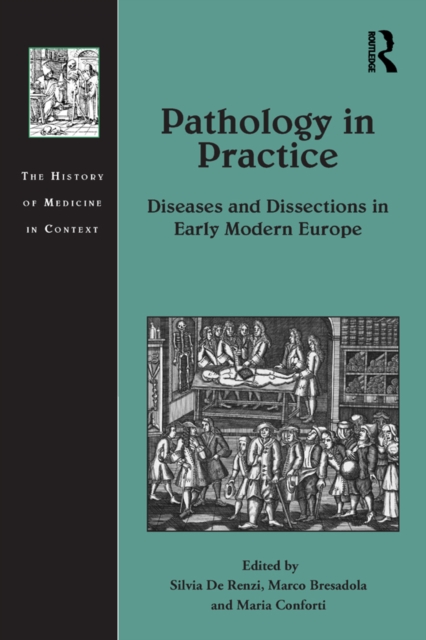
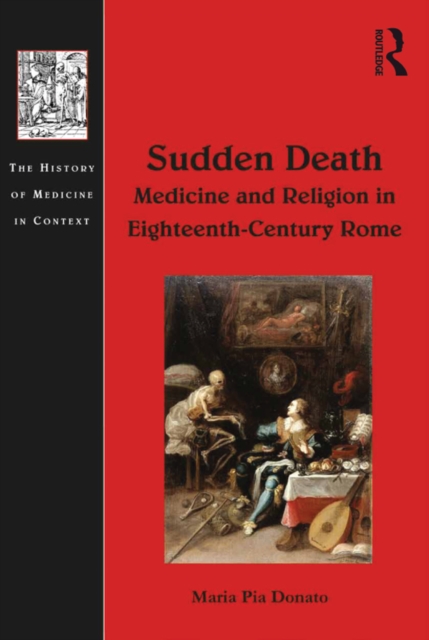
In 1705-1706, during the War of the Spanish Succession and two years after a devastating earthquake, an 'epidemic' of mysterious sudden deaths terrorized Rome.
In 1705-1706, during the War of the Spanish Succession and two years after a devastating earthquake, an 'epidemic' of mysterious sudden deaths terrorized Rome.
The last 40 years has seen a significant shift from state commitment to asylum-based mental health care to a mixed economy of care in a variety of locations.
The last 40 years has seen a significant shift from state commitment to asylum-based mental health care to a mixed economy of care in a variety of locations.
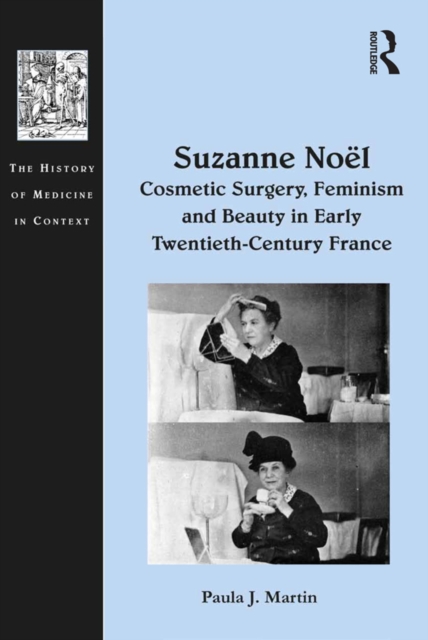
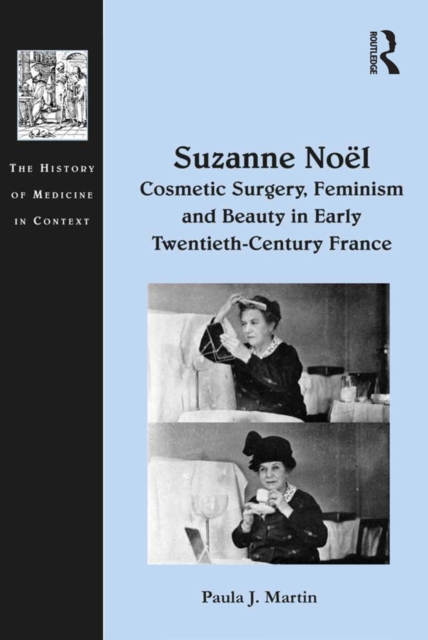
Working at the forefront of cosmetic surgery at the turn of the twentieth century, Dr Suzanne NoA l was both a pioneer in her medical field and a firm believer in the advancement of women.
Working at the forefront of cosmetic surgery at the turn of the twentieth century, Dr Suzanne NoA l was both a pioneer in her medical field and a firm believer in the advancement of women.
Bringing together eminent scholars and emerging critics who offer a range of perspectives and critical methods, this collection sets a new standard in Beddoes criticism.
Bringing together eminent scholars and emerging critics who offer a range of perspectives and critical methods, this collection sets a new standard in Beddoes criticism.
The British Pharmacopoeia has provided official standards for the quality of substances, medicinal products and articles used in medicine since its first publication in 1864.
The British Pharmacopoeia has provided official standards for the quality of substances, medicinal products and articles used in medicine since its first publication in 1864.
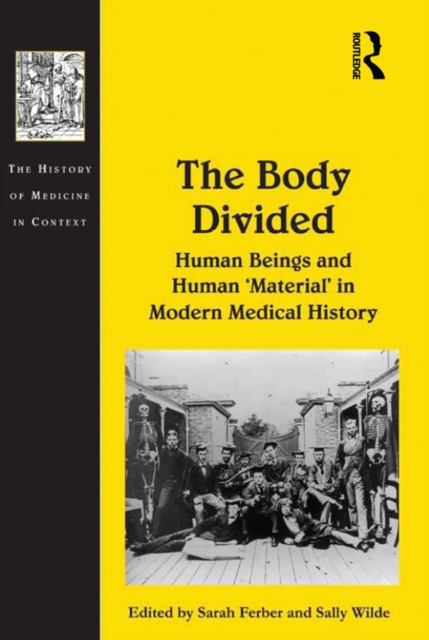
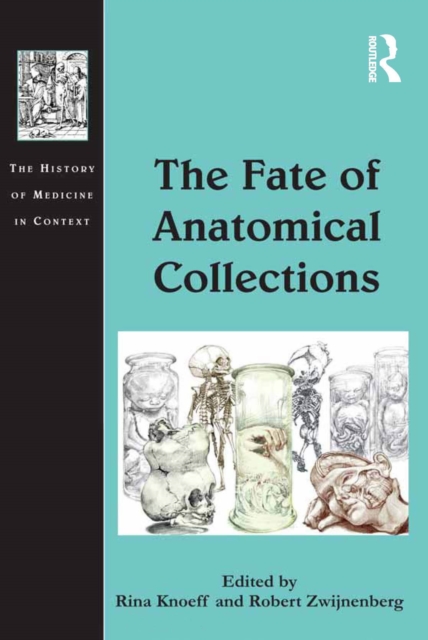
Almost every medical faculty possesses anatomical and/or pathological collections: human and animal preparations, wax- and other models, as well as drawings, photographs, documents and archives relating to them.
Almost every medical faculty possesses anatomical and/or pathological collections: human and animal preparations, wax- and other models, as well as drawings, photographs, documents and archives relating to them.