Exploiting a link between early modern concepts of the medical and the literary, David Houston Wood suggests that the recent critical attention to the gendered, classed, and raced elements of the embodied early modern subject has been hampered by its failure to acknowledge the role time and temporality play within the scope of these admittedly crucial concerns.
Exploiting a link between early modern concepts of the medical and the literary, David Houston Wood suggests that the recent critical attention to the gendered, classed, and raced elements of the embodied early modern subject has been hampered by its failure to acknowledge the role time and temporality play within the scope of these admittedly crucial concerns.
In the sixteenth century medicinal plants, which until then had been the monopoly of apothecaries, became a major topic of investigation in the medical faculties of Italian universities, where they were observed, transplanted, and grown by learned physicians both in the wild and in the newly founded botanical gardens.
In the sixteenth century medicinal plants, which until then had been the monopoly of apothecaries, became a major topic of investigation in the medical faculties of Italian universities, where they were observed, transplanted, and grown by learned physicians both in the wild and in the newly founded botanical gardens.
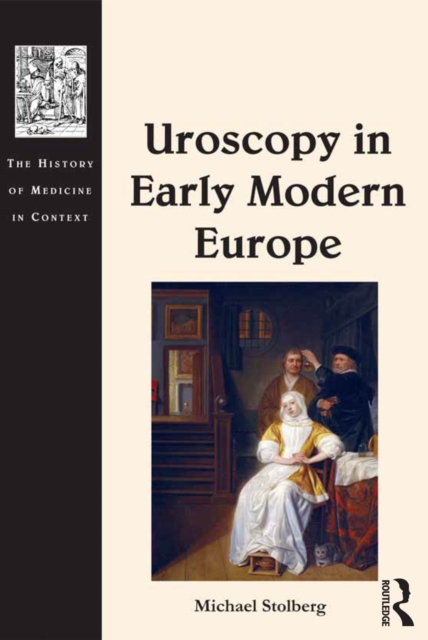
Uroscopy - the diagnosis of disease by visual examination of the urine - played a very prominent role in early modern medical practice and in the lives of ordinary people.
Uroscopy - the diagnosis of disease by visual examination of the urine - played a very prominent role in early modern medical practice and in the lives of ordinary people.
Ludwig Edelstein (1902-1965) is well-known for his work on the history of anceint medicine and ancient philosophy, and to both of these areas he made contributions of primary importance.
Ludwig Edelstein (1902-1965) is well-known for his work on the history of anceint medicine and ancient philosophy, and to both of these areas he made contributions of primary importance.
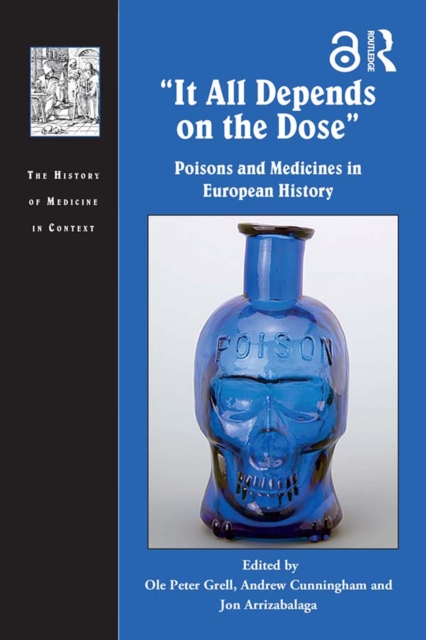
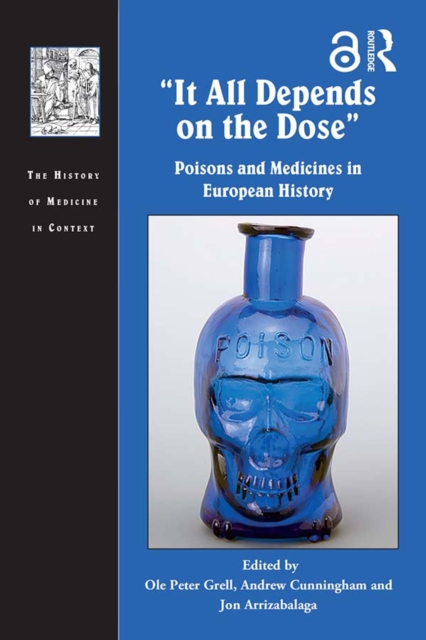
This is the first volume to take a broad historical sweep of the close relation between medicines and poisons in the Western tradition, and their interconnectedness.
This is the first volume to take a broad historical sweep of the close relation between medicines and poisons in the Western tradition, and their interconnectedness.
This book takes a new, interdisciplinary approach to analyzing modern Viennese visual culture, one informed by Austro-German theater, contemporary medical treatises centered on hysteria, and an original examination of dramatic gestures in expressionist artworks.
This book takes a new, interdisciplinary approach to analyzing modern Viennese visual culture, one informed by Austro-German theater, contemporary medical treatises centered on hysteria, and an original examination of dramatic gestures in expressionist artworks.
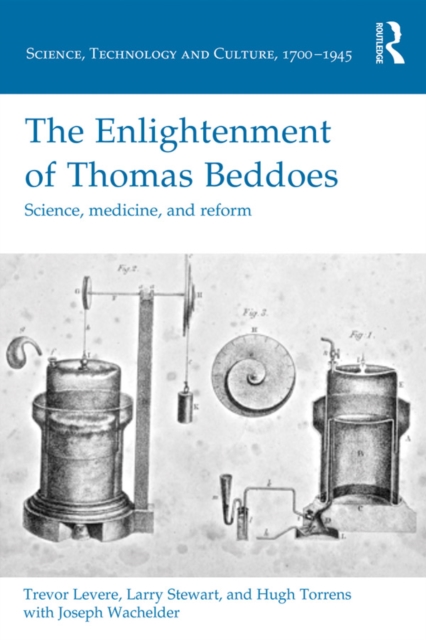
Thomas Beddoes (1760-1808) lived in 'decidedly interesting times' in which established orders in politics and science were challenged by revolutionary new ideas.
Thomas Beddoes (1760-1808) lived in 'decidedly interesting times' in which established orders in politics and science were challenged by revolutionary new ideas.
From chatelaines to whale blubber, ice making machines to stained glass, this six-volume collection will be of interest to the scholar, student or general reader alike - anyone who has an urge to learn more about Victorian things.
From chatelaines to whale blubber, ice making machines to stained glass, this six-volume collection will be of interest to the scholar, student or general reader alike - anyone who has an urge to learn more about Victorian things.
While medical language is soaked in metaphor, and thinking with metaphor is central to diagnostic work, medicine - that is, medical culture, clinical practice and medical education - outwardly rejects metaphor for objective, literal scientific language.
While medical language is soaked in metaphor, and thinking with metaphor is central to diagnostic work, medicine - that is, medical culture, clinical practice and medical education - outwardly rejects metaphor for objective, literal scientific language.
A commonly-held model of the doctor-patient relationship casts it as a subject/object relationship: broadly the patient is a 'text', and the doctor the reader or interpreter of that text.
This work contains foreword by Ian R McWhinney, Emeritus Professor of General Practice, Schulich School of Medicine and Dentistry, Centre for Studies in Family Medicine University of Western Ontario, Canada.
Cinema and medicine have been inextricably linked since the earliest days of film, with doctors appearing in fictional films before criminals, the clergy or even cowboys.
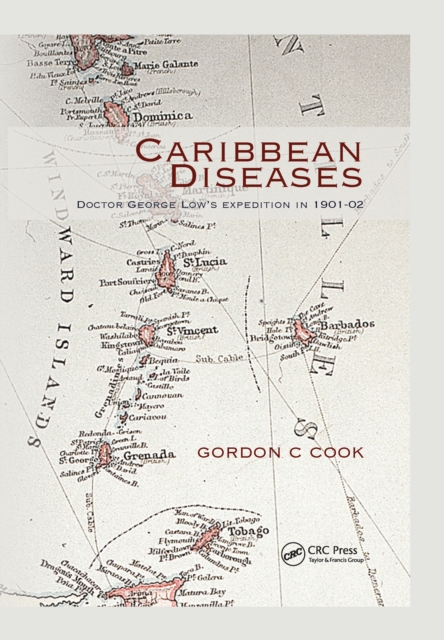
In this unique, highly detailed examination, Gordon C Cook investigates the very beginnings of tropical medicine through the work of Dr George Low (1872-1952).
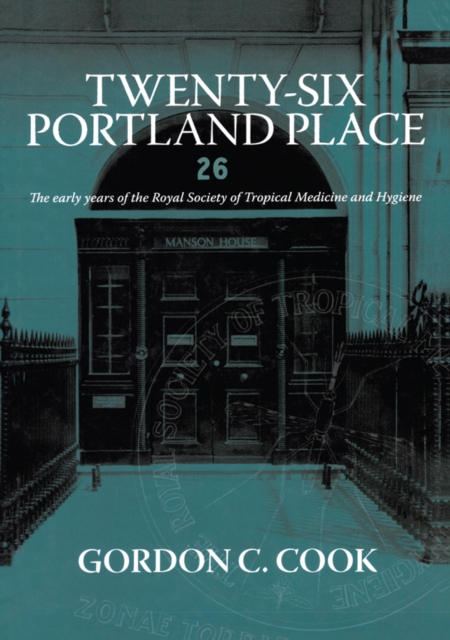
Twenty-Six Portland Place is a ground-breaking exploration of the early years of the Royal Society of Tropical Medicine and Hygiene, from its foundation in 1907 to its half-century in 1957.
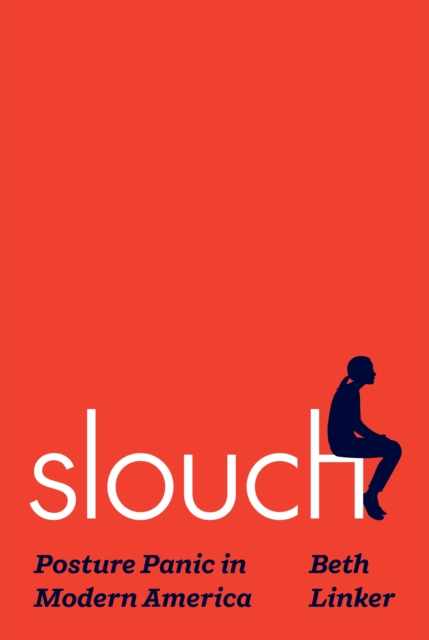
The strange and surprising history of the so-called epidemic of bad posture in modern Americafrom eugenics and posture pageants to today's promoters of ';paleo posture'In 1995, a scandal erupted when the New York Times revealed that the Smithsonian possessed a century's worth of nude ';posture' photos of college students.
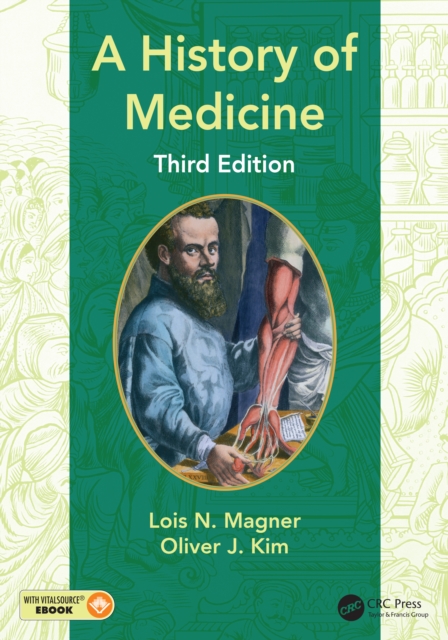
Designed for survey courses in the field A History of Medicine presents a wide-ranging overview for those seeking a solid grounding in the medical history of Western and non-Western cultures.