This exciting new book explores the history of major mental disorders by looking at a wide range of historical and contemporary figures that have experienced mental illness.
This book explores the treatment, administration, and experience of children and young people certified as insane in England during the nineteenth and early twentieth centuries.
This multi-disciplinary essay collection explores the controversial life and achievements of Sir John Hill (1714-1775), a prolific contributor to Georgian England's literature, medicine and science.
Over five centuries, a global archipelago of quarantine stations came to connect the world's oceans from the Mediterranean to the South Pacific, from Atlantic coasts to the Red Sea.
This ground-breaking, interdisciplinary volume provides an overdue assessment of how infertility has been understood, treated and experienced in different times and places.
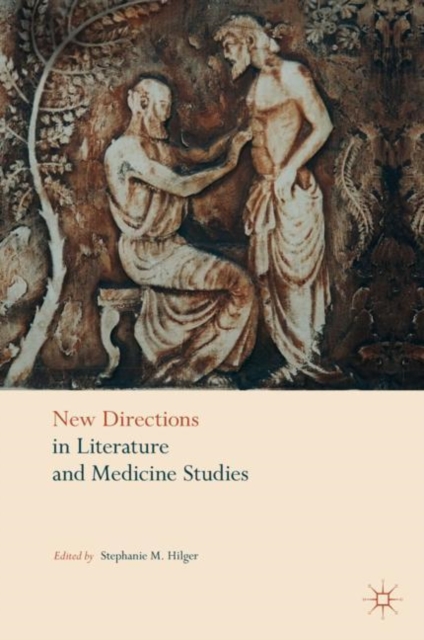
This book is situated in the field of medical humanities, and the articles continue the dialogue between the disciplines of literature and medicine that was initiated in the 1970s and has continued with ebbs and flows since then.
Drawing together interview material, medical publications, and first-hand accounts, this book shows that what is being remade in the burgeoning medical field of face transplantation is not only the lives of patients, but also the very ways that state institutions, surgeons, and families make sense of rights, claims for inclusion, and life itself.
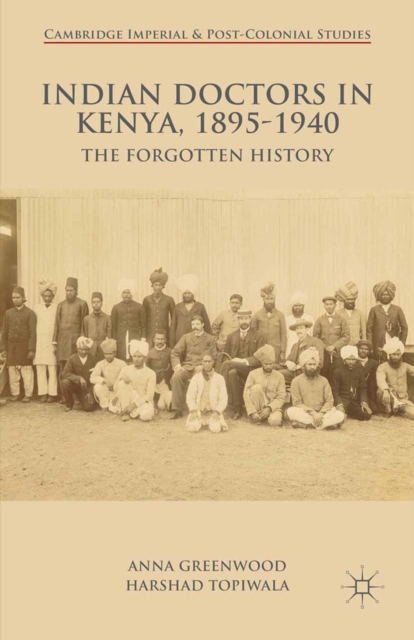
This ground-breaking book offers unique insights into the careers of Indian doctors in colonial Kenya during the height of British colonialism, between 1895 and 1940.
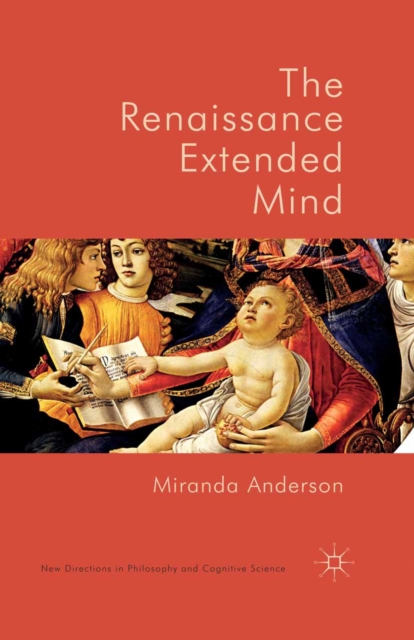
The Renaissance Extended Mind explores the parallels and contrasts between current philosophical notions of the mind as extended across brain, body and world, and analogous notions in literary, philosophical, and scientific texts circulating between the fifteenth century and early-seventeenth century.
Medics learned quickly to ignore standing operating procedures in order to save lives but tensions within infantry units created a paradoxical culture of isolation and acceptance.
Through an examination that uses previously unavailable archives and little-used primary literature, this book places the twentieth-century mental hygiene movement within the broad sweep of modern British psychiatry, offering its own reinterpretation of important elements of this history.
The Politics of Addiction examines power and policy-making in the context of a bitter conflict between private and publicly employed doctors treating addiction.
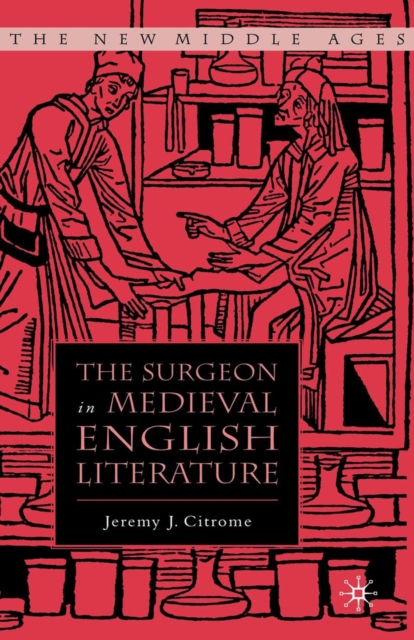
Jeremy Citrome employs the language of contemporary psychoanalysis to explain how surgical metaphors became an important tool of ecclesiastical power in the wake of the Fourth Lateran Council of 1215.
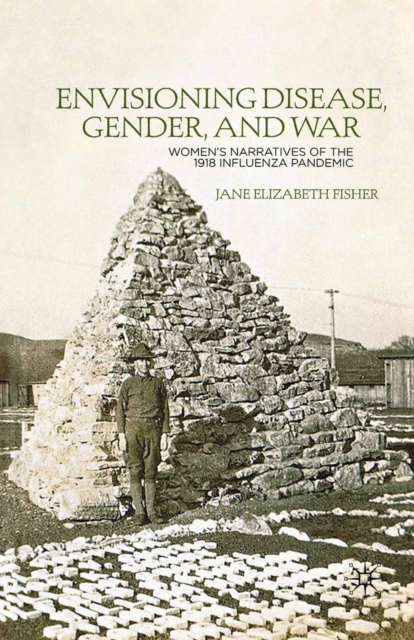
This critical study illuminates the neglected intersection of war, disease, and gender as represented in an important subgenre of World War I literature.
First published in 1947, Straight On is a first-hand account of the authors' work with the Red Cross in central and eastern Europe at the end of the Second World War, including their work providing medical care to survivors at Auschwitz and Belsen.
First published in 1947, Straight On is a first-hand account of the authors' work with the Red Cross in central and eastern Europe at the end of the Second World War, including their work providing medical care to survivors at Auschwitz and Belsen.
The first book of its kind, Forensic Medicine in Western Society: A History draws on the most recent developments in the historiography, to provide an overview of the history of forensic medicine in the West from the medieval period to the present day.
The first book of its kind, Forensic Medicine in Western Society: A History draws on the most recent developments in the historiography, to provide an overview of the history of forensic medicine in the West from the medieval period to the present day.
This book addresses fundamental issues about the last decades of Tsarist Russia, contributing significantly to current debates about how far and how successfully modernisation was being implemented by the Tsarist regime.
This book addresses fundamental issues about the last decades of Tsarist Russia, contributing significantly to current debates about how far and how successfully modernisation was being implemented by the Tsarist regime.
Drawing on original fieldwork, this book develops a fresh methodological approach to the study of indigenous understandings of disease as possession, and looks at healing rituals in different South Asian cultural contexts.
Drawing on original fieldwork, this book develops a fresh methodological approach to the study of indigenous understandings of disease as possession, and looks at healing rituals in different South Asian cultural contexts.
The Greeks were the first to use rational systems of medicine, based upon belief in natural causation, rather than magical and religious elements, which resulted in a new conception of disease, accounting for causes and symptoms of illness.
The Greeks were the first to use rational systems of medicine, based upon belief in natural causation, rather than magical and religious elements, which resulted in a new conception of disease, accounting for causes and symptoms of illness.
With the first patent being granted toBiDil, a combined medication that is deemed to be most effective for a specificrace, African-Americans for a specific form of heart failure, the on-going debate about the effect of the older category of race has been renewed.
With the first patent being granted toBiDil, a combined medication that is deemed to be most effective for a specificrace, African-Americans for a specific form of heart failure, the on-going debate about the effect of the older category of race has been renewed.
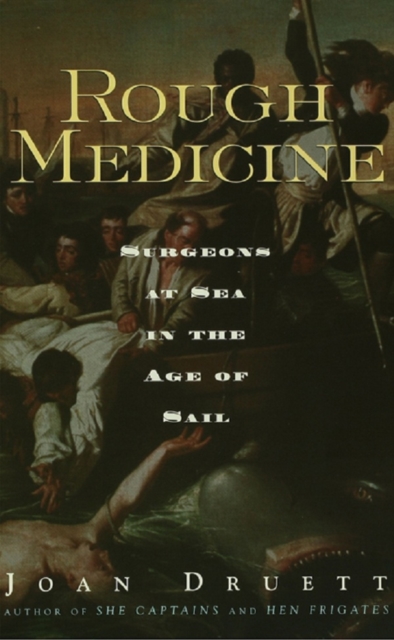
Using diaries, journals, and correspondences, Druett recounts the daily grind surgeons on nineteenth-century whaling ships faced: the rudimentary tools they used, the treatments they had at their disposal, the sorts of people they encountered in their travels, and the dangers they faced under the harsh conditions of life at sea.
From around the eleventh century until the Reformation, a close connection between the Church and hospitals was formed as they became a refuge for the ill, ostracised and poor.
From around the eleventh century until the Reformation, a close connection between the Church and hospitals was formed as they became a refuge for the ill, ostracised and poor.