This book investigates the history of women's reproductive health in Ghana,arguing that between the 1920s and 1980s, it was largely driven by discourses ofdevelopment and population control rather than a concern for women's health orrights.
This book investigates the history of women's reproductive health in Ghana,arguing that between the 1920s and 1980s, it was largely driven by discourses ofdevelopment and population control rather than a concern for women's health orrights.
This book examines the lives, careers, and publications of a group of Spanish Renaissance surgeons as exemplars of both the surgical renaissance occurring across Europe and of the unique context of Spain.
This book examines the lives, careers, and publications of a group of Spanish Renaissance surgeons as exemplars of both the surgical renaissance occurring across Europe and of the unique context of Spain.
Examining the historical context of healthcare whilst focusing on building a more just, equitable world, this book proposes a radical imagination for nursing and presents possibilities for speculative futures embracing queer, feminist, posthuman, and abolitionist frames.
Examining the historical context of healthcare whilst focusing on building a more just, equitable world, this book proposes a radical imagination for nursing and presents possibilities for speculative futures embracing queer, feminist, posthuman, and abolitionist frames.
This new edition of Sarah Franklin's classic monograph on the development of in vitro fertilisation (IVF) includes two entirely new chapters reflecting on the relevance of the book's findings in the context of the past two decades and providing a 'state-of-the-art' review of the field today.
This new edition of Sarah Franklin's classic monograph on the development of in vitro fertilisation (IVF) includes two entirely new chapters reflecting on the relevance of the book's findings in the context of the past two decades and providing a 'state-of-the-art' review of the field today.
This monograph makes a major new contribution to the historiography of criminal justice in England and Wales by focusing on the intersection of the history of law and crime with medical history.
This monograph makes a major new contribution to the historiography of criminal justice in England and Wales by focusing on the intersection of the history of law and crime with medical history.
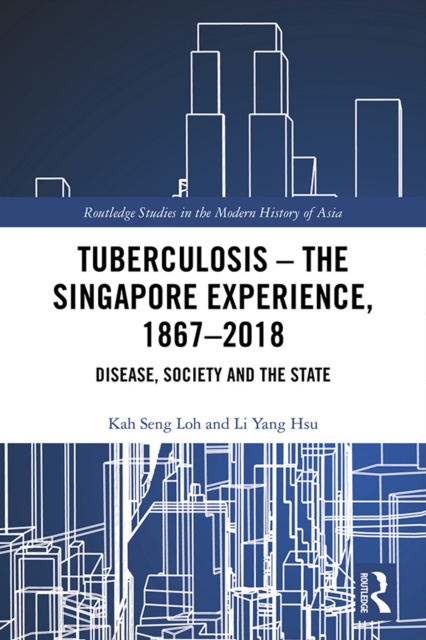
Through a rich account of tuberculosis in Singapore from the mid-nineteenth century to the present day, this book charts the relationship between disease, society and the state, outlining the struggles of colonial and post-colonial governments to cope with widespread disease and to establish effective public health programmes and institutions.
Through a rich account of tuberculosis in Singapore from the mid-nineteenth century to the present day, this book charts the relationship between disease, society and the state, outlining the struggles of colonial and post-colonial governments to cope with widespread disease and to establish effective public health programmes and institutions.
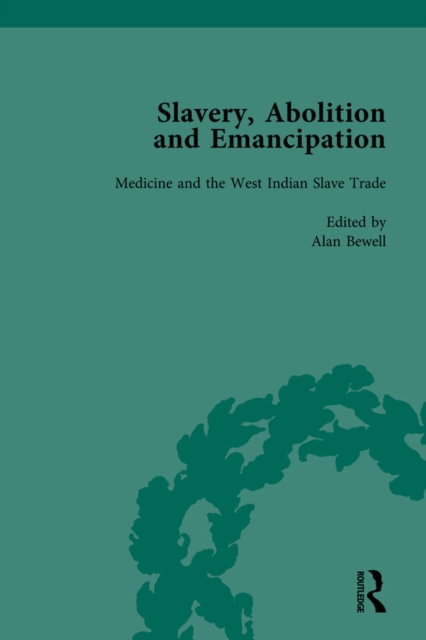
Most writers associated with the first generation of British Romanticism - Blake, Coleridge, Wordsworth, Southey, Thelwall, and others - wrote against the slave trade.
Most writers associated with the first generation of British Romanticism - Blake, Coleridge, Wordsworth, Southey, Thelwall, and others - wrote against the slave trade.
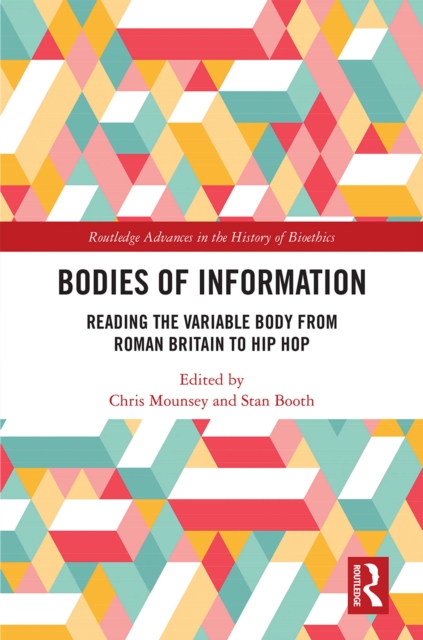
Bodies of Information initiates the Routledge Advances in the History of Bioethics series by encompassing interdisciplinary Bioethical discussions on a wide range of descriptions of bodies in relation to their contexts from varying perspectives: including literary analysis, sociology, criminology, anthropology, osteology and cultural studies, to read a variety of types of artefacts, from the Romano-British period to Hip Hop.
Bodies of Information initiates the Routledge Advances in the History of Bioethics series by encompassing interdisciplinary Bioethical discussions on a wide range of descriptions of bodies in relation to their contexts from varying perspectives: including literary analysis, sociology, criminology, anthropology, osteology and cultural studies, to read a variety of types of artefacts, from the Romano-British period to Hip Hop.
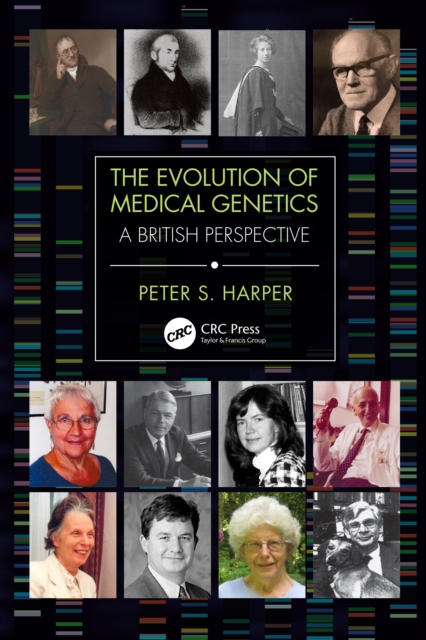
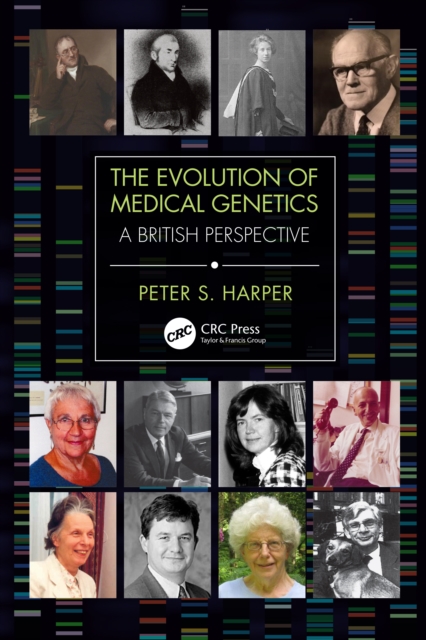
This informative new book presents an accessible account of the development of medical genetics over the past 70 years, one of the most important areas of 20th, and now 21st, century science and medicine.
This informative new book presents an accessible account of the development of medical genetics over the past 70 years, one of the most important areas of 20th, and now 21st, century science and medicine.
This book highlights the role of acute hunger in malaria lethality in colonial South Asia and investigates how this understanding came to be lost in modern medical, epidemic, and historiographic thought.
This book highlights the role of acute hunger in malaria lethality in colonial South Asia and investigates how this understanding came to be lost in modern medical, epidemic, and historiographic thought.
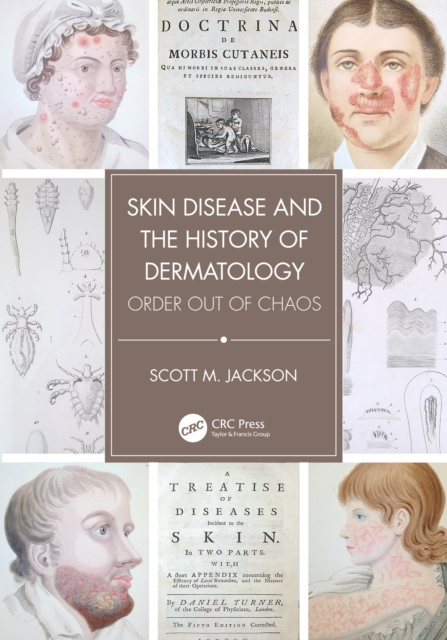
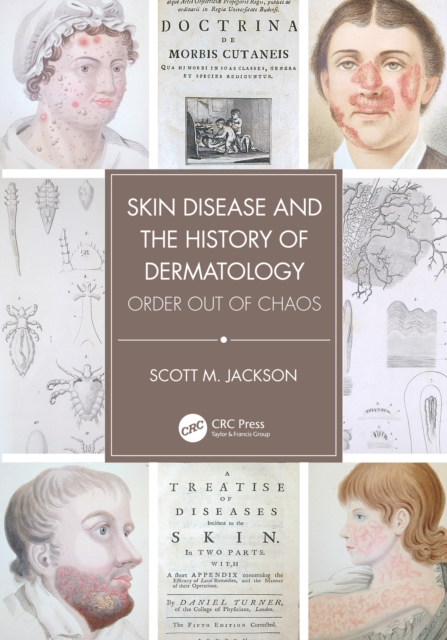
This text is both a history of skin disease and a history of dermatology, telling the human historical experience of skin disease and how we have come to know what we know about the skin and its myriad diseases over the course of four millennia, looking at key figures in life and literature and key events such as the Black Death and the eradication of smallpox.
This text is both a history of skin disease and a history of dermatology, telling the human historical experience of skin disease and how we have come to know what we know about the skin and its myriad diseases over the course of four millennia, looking at key figures in life and literature and key events such as the Black Death and the eradication of smallpox.
This volume is an interdisciplinary attempt to insert a broader, historically informed perspective into current political and academic debates on the issue of evidence and the reliability of scientific knowledge.
This volume is an interdisciplinary attempt to insert a broader, historically informed perspective into current political and academic debates on the issue of evidence and the reliability of scientific knowledge.
The maintenance of human health and the mechanisms by which this is achieved - through medicine, medical intervention and care-giving - are fundamentals of human societies.